
Strategic nation selection guide for Europa Universalis 5 players seeking optimal starting positions
Introduction to Nation Selection Philosophy
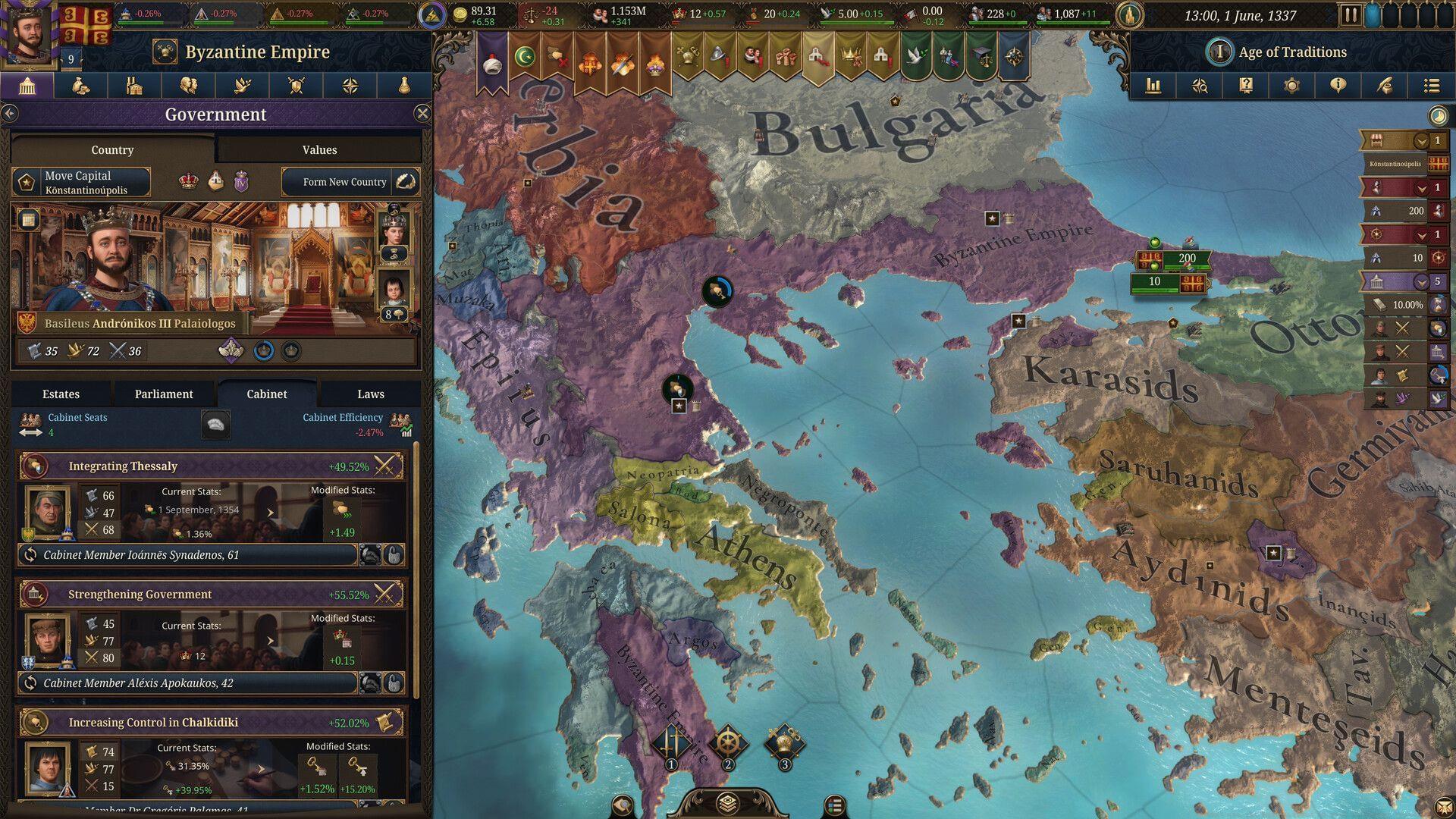
Selecting the optimal starting nations in Europa Universalis 5 represents a critical strategic decision that shapes your entire campaign experience. The global map presents countless possibilities, yet strategic positioning dramatically influences your learning curve and success probability. Certain nations serve as ideal training grounds for mastering fundamental mechanics, while others provide advanced challenges that test your strategic prowess.
Understanding the learning progression from beginner-friendly to expert-level nations helps optimize your skill development. Beginners should prioritize nations with economic stability and defensive advantages, while experienced players can tackle nations requiring sophisticated diplomatic maneuvering and crisis management. Each nation category teaches distinct aspects of EU5’s complex gameplay systems.
England: The Defensive Economic Powerhouse
England establishes itself as a premier choice for players seeking economic stability combined with formidable defensive positioning. The nation’s financial foundation remains robust from the campaign’s outset, requiring only minor budgetary adjustments to generate consistent surplus revenue without territorial aggression. This economic security allows focused development of other strategic areas.
Geographically, England’s island status provides natural protection against continental threats. Early investment in naval superiority ensures maritime dominance, particularly against neighbors like France who typically begin with underdeveloped fleets. This naval advantage creates a secure environment for internal development and future expansion planning.
Resource distribution across English territories includes strategic materials like coal, salt, and iron, enabling substantial self-sufficiency. This balanced economic base supports gradual transition toward colonial expansion, for which England possesses ideal geographic positioning and historical advantages. The nation’s unique mechanics facilitate overseas empire building while maintaining European stability.
Critical early-game priorities include stabilizing crown authority while diminishing noble influence, then strategically investing in exploration technologies. Common mistakes involve overextending militarily before securing domestic stability or neglecting trade node development. Advanced players can optimize by leveraging England’s unique national ideas for maximum trade efficiency and colonial range extension.
Also read: All cheats and console commands in Europa Universalis 5
Portugal: Trade and Exploration Specialist
Portugal stands as another exceptional selection, particularly for players focused on mastering trade networks and exploration mechanics. The nation typically experiences minimal early military conflicts, creating ideal conditions for learning economic system intricacies and global trade route establishment.
Initial development years should concentrate on coastal infrastructure enhancement and strategic trade route creation. Portugal’s starting economic foundation includes fundamental yet valuable resources—wool, lumber, and iron—that provide solid groundwork for industrial advancement and economic diversification.
Once achieving economic stability, players can initiate controlled expansion into North African territories, securing vital ports and trade nodes that substantially increase revenue streams. Exploration initiatives then unlock extensive opportunities for global presence establishment.
Portugal naturally evolves into a colonial superpower through its inherent naval superiority and specialized lieutenancy governance system, enabling efficient overseas territory administration. The nation’s unique national ideas significantly boost trade efficiency and colonial growth rates.
Strategic pitfall avoidance: Don’t neglect army development while focusing on navy and economy. Maintain balanced force composition to handle unexpected continental conflicts. Advanced tactics include establishing early alliances with Castile or England to secure your European flank while expanding globally.
Norway: The Underdog with Hidden Potential
For players comfortable with stable nations like England or Portugal, Norway presents a distinctive strategic challenge that rewards careful planning and timing. Norway’s position within EU5 embodies concealed strength masked by apparent vulnerability. Beginning under Swedish union control, this relationship can shift rapidly through adept diplomatic management and strategic timing.
While Sweden initially maintains senior partnership status, their potential political missteps or military defeats can quickly reverse the power dynamic. Norway’s geographic isolation provides both protection and limitation—sheltering from major continental aggression while restricting initial territorial and economic options.
Early economic survival depends heavily on silver mining operations and wheat province production, but sustained growth requires capital region development and naval construction. A powerful fleet extends your strategic reach across northern seas, enabling influence projection and trade route protection.
Norwegian politics demand careful navigation—the aristocracy begins with substantial influence, making crown power accumulation your primary objective. Shift national focus toward administrative centralization to strengthen control over dispersed territories. Once achieving stability, leverage naval power to dominate Scandinavian waters, transforming Norway into a surprisingly powerful regional force.
Advanced strategy: Use your union status to avoid early aggression while building economic foundations. Seek independence during Swedish conflicts with Denmark or Muscovy. Focus on developing the Lofoten fishing grounds for additional trade revenue.
Read also: Best wonderkids to sign in Football Manager 26
Byzantium: The Ultimate Challenge Run
Byzantium represents the pinnacle of EU5 challenge campaigns, testing even experienced players with its precarious starting position. Beginning encircled by powerful adversaries, burdened by substantial debt, and hampered by disloyal estates draining an already fragile economy, this nation turns survival into an extraordinary achievement.
The immediate existential threat comes from the Ottoman Empire positioned at your borders. Despite appearances, Byzantium possesses hidden strengths that enable survival through rapid, decisive action. Strategic naval deployment—particularly blocking the Bosporus straits separating Europe and Anatolia—can preserve your empire during critical early stages.
Diplomatic efforts prove equally vital for survival. Strengthen relationships with neighboring Orthodox powers and potentially Catholic nations capable of providing military support against initial Ottoman assaults. Internal reconstruction requires comprehensive overhaul of government systems.
Estates begin with excessive influence, crown authority remains minimal, and legitimacy appears questionable. Systematic stabilization of governmental structures enables subsequent expansion northward or westward before eventually reclaiming historical territories in the Balkans and Anatolia.
Survival tactics: Immediately improve relations with Hungary, Poland, and Mamluks to create anti-Ottoman coalition. Develop the Morea region as fallback territory. Use your patriarch authority to boost morale and conversion rates. Don’t engage the Ottomans in open field battles early—focus on siege defense and naval blockade.
Advanced Strategy Considerations
Beyond individual nation characteristics, several universal strategic principles enhance EU5 campaign success regardless of chosen starting position. Understanding these concepts separates competent players from truly exceptional strategists.
Common beginner errors include overextension before establishing stable economic foundations, neglecting alliance networks, and misallocating monarch points. Each nation requires tailored approach to resource allocation and expansion timing. England benefits from early colonial focus, while Byzantium must prioritize immediate survival above all else.
Advanced optimization involves understanding nation-specific idea groups and their synergistic combinations. Portugal excels with exploration and trade ideas, while Norway benefits from maritime and economic policies. Timing your technology adoption to coincide with national idea completion creates powerful compounding advantages.
The progression from beginner nations like England to intermediate challenges like Norway and ultimately expert-level campaigns like Byzantium provides comprehensive mastery of EU5’s intricate systems. Each successful campaign builds foundational knowledge for tackling increasingly difficult scenarios.
That concludes our comprehensive examination of optimal nation selection strategies in Europa Universalis 5.
Read more articles below:
No reproduction without permission:GameCDjnh » What are the best nations to pick in Europa Universalis 5? Strategic nation selection guide for Europa Universalis 5 players seeking optimal starting positions