
Essential strategies to survive Elden Ring Nightreign’s co-op roguelike challenges and master team synergies
Understanding Nightreign’s Core Mechanics
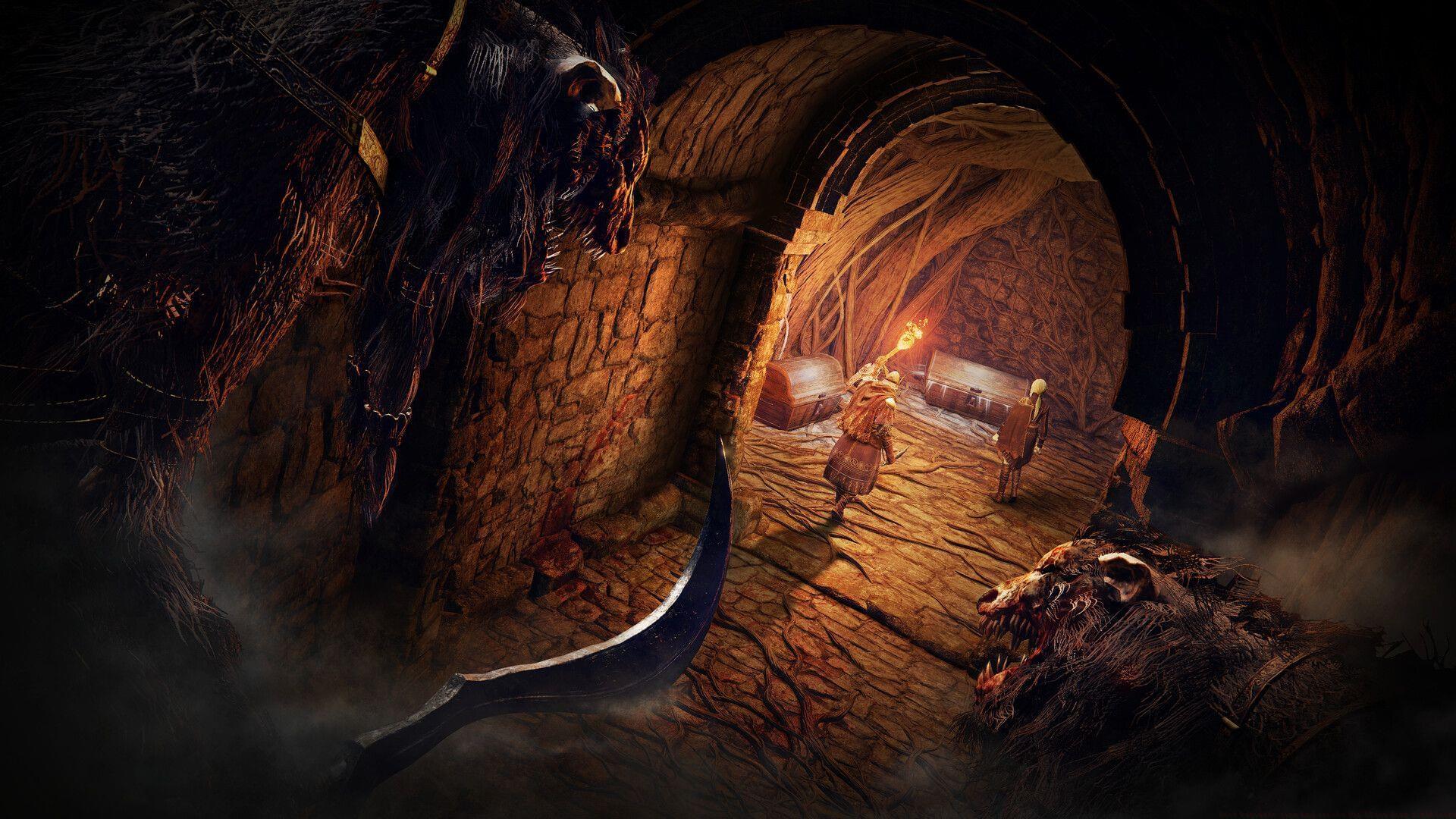
Elden Ring Nightreign introduces a compelling roguelike framework to the established SoulsBorne formula, demanding strategic adaptation from veteran players. This cooperative-focused experience requires seamless coordination with allies to successfully defeat the Nightlord, presenting unique challenges that differ significantly from the main game. Newcomers frequently struggle with the steep learning curve and complex mechanical systems that govern this expansion’s gameplay loop.
The training area serves as an invaluable tool for familiarizing yourself with Nightreign’s diverse weapon arsenal, as combat opportunities during actual runs may be limited and high-pressure. Experiment thoroughly with different weapon types to understand their attack patterns, stamina consumption, and situational effectiveness before committing to a loadout.
Strategic Progression and Route Planning
Immediately upon starting your expedition, develop a comprehensive route through various points of interest while prioritizing visitation timing. Regions containing challenging enemies or complex maze-like environments should be reserved for the second day, when your character possesses superior equipment and combat experience. This temporal strategy significantly increases survival chances and resource acquisition efficiency.
Common mistake: Many players attempt difficult areas too early, resulting in unnecessary deaths and lost progression. Instead, identify low-risk zones marked by smaller enemy clusters and straightforward layouts for initial exploration. These areas typically provide essential baseline resources without overwhelming combat encounters.
Advanced strategy: Create mental checkpoints where you assess your current loadout and determine if you’re prepared for increased difficulty. If you’ve acquired powerful weapons or significant level advantages, consider advancing your timeline for challenging areas.
Combat Mechanics and Team Revival
Nightreign’s unique revival mechanic requires attacking fallen teammates rather than using conventional healing items, maintaining the game’s signature dark fantasy aesthetic. During intense boss encounters, standard weapon strikes may fail to connect with incapacitated allies due to enemy interference or positioning issues. The targeting system provides a solution: first deselect the boss by pressing your target button, then re-press it while aiming at your fallen teammate.
Strategic revival: Utilize defensive abilities that create temporary safe zones during resurrection attempts. The Raider Class’s Totem Stala ultimate exemplifies this approach, elevating both you and your teammate beyond the boss’s reach. Other classes possess similar protective capabilities—experiment to identify which synergize best with your team composition.
Pro tip: Always communicate revival intentions with your team. Designate one player as primary reviver while others draw aggro. This division of responsibilities prevents multiple players being vulnerable simultaneously and maintains combat momentum.
Resource Gathering and Upgrade Systems
Sites of Grace function as crucial progression checkpoints—strategically plan routes that incorporate these sanctuaries at regular intervals. Statues of Marika (represented by church icons on your map) replenish healing flask charges, making them priority destinations when resources are depleted. Fortifications and Great Churches typically house less challenging bosses initially, presenting ideal opportunities for early-game loot acquisition.
Thoroughly search deceased enemies, as many carry valuable Smithing Stones essential for weapon enhancement. Mining Tunnels offer concentrated sources of these upgrade materials. Merchants not only sell valuable items but are conveniently positioned near anvils where you can immediately apply acquired Smiting Stones to strengthen your arsenal.
Resource management tip: Allocate one team member as designated resource collector during combat lulls. This specialization ensures no valuable materials are overlooked while maintaining combat readiness among other party members.
Class Synergies and Team Composition
Nightreign’s foundation emphasizes coordinated teamplay (though solo play remains viable), where success depends not merely on individual performance but how effectively abilities complement allies’ capabilities. Examining class-specific abilities reveals numerous synergistic possibilities:
- Wylder’s grappling hook enables controlled engagement initiation, allowing teams to dictate combat timing
- Duchess’s sustained damage capabilities can eliminate adversaries rapidly when supported properly
- Guardian’s area-of-effect tornado clears space effectively, creating tactical advantages
- Recluse’s Magic Cocktail accumulates substantial damage through elemental affinity exploitation
Advanced synergy: Combine Wylder’s engagement control with Duchess’s damage output for devastating alpha strikes. Alternatively, pair Guardian’s crowd control with Recluse’s area denial for defensive positioning. Experiment with different combinations to discover what works best against specific enemy types and boss mechanics.
Team composition strategy: Balance your party with at least one control specialist, one damage dealer, and one support character. This triangular foundation adapts well to most combat scenarios and boss encounters.
UI Mastery and Death Penalty Management
Nightreign’s interface delivers critical gameplay information that newcomers often overlook. Before commencing expeditions, carefully examine the Commence Expedition menu where you select your target boss. The status effect icon adjacent to the enemy’s name indicates their specific vulnerability—exploiting this weakness dramatically increases combat effectiveness.
The weapon rarity system employs four distinct color codes to denote item quality: Common (white), Uncommon (green), Rare (blue), and Legendary (orange). Prioritize upgrading higher rarity weapons as they provide significantly better statistical returns on investment.
Death carries severe consequences in Nightreign—you forfeit carried runes, regress one level, and lose valuable time as the safety circle constricts. Avoid fixation on defeating every enemy; strategic retreat often proves wiser than stubborn persistence. Premature deaths create level deficits that compound throughout your run, making subsequent bosses increasingly difficult.
Progression philosophy: Consider your first day as foundation-building—focus on level advancement and equipment acquisition rather than challenging powerful bosses. Reserve these formidable encounters for day two when your character possesses the necessary tools and experience for success.
No reproduction without permission:GameCDjnh » Best beginner tips and tricks for Elden Ring Nightreign Essential strategies to survive Elden Ring Nightreign's co-op roguelike challenges and master team synergies