
Master PEAK’s game modes: Choose between survival challenge Peak or relaxed Tenderfoot for optimal climbing experience
Understanding PEAK’s Core Experience
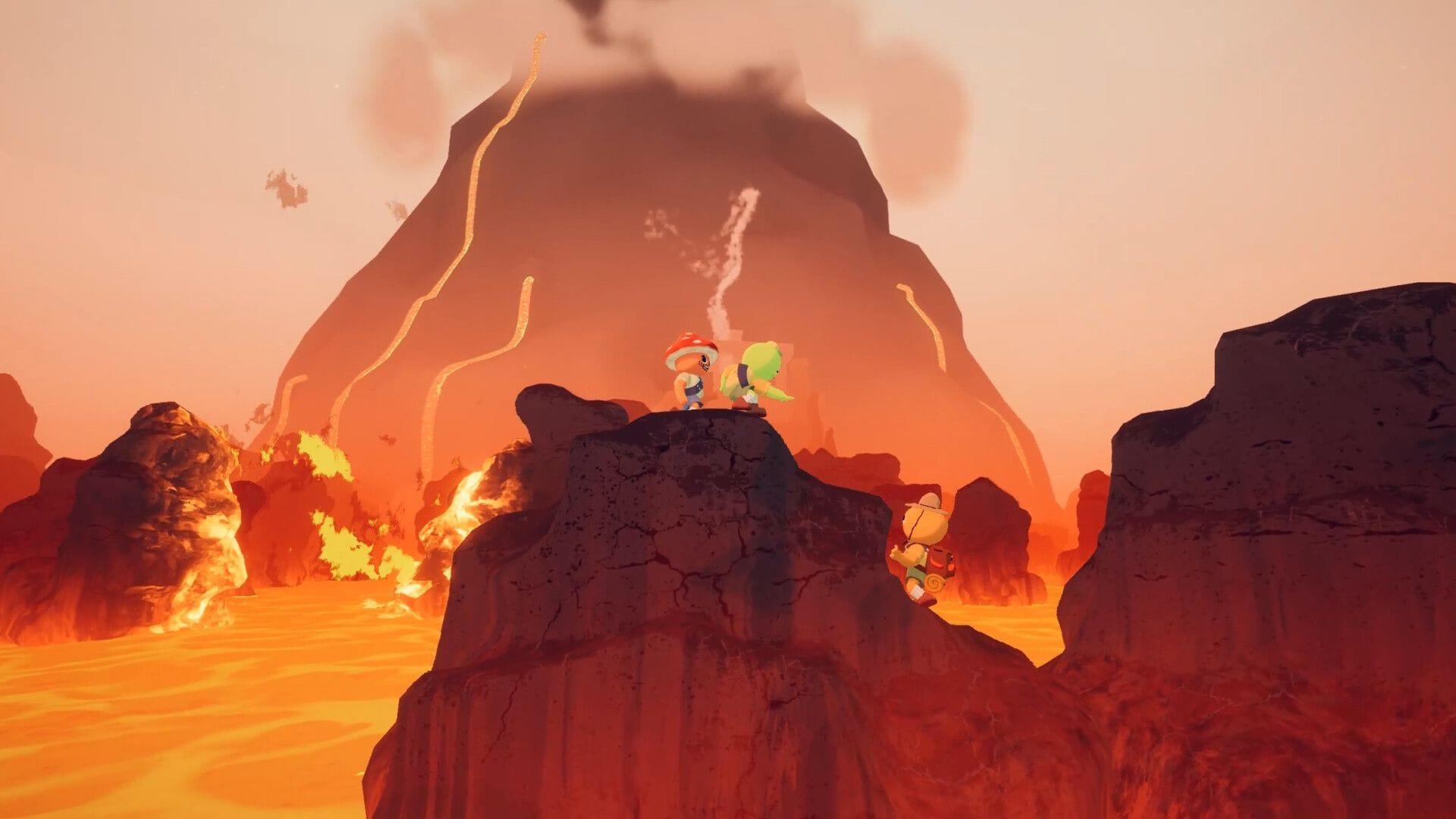
PEAK represents a brutally satisfying cooperative climbing adventure crafted by Landcrab, blending punishing survival elements with physics-driven movement systems. The game’s rapid ascent on Steam popularity charts stems from its demanding mechanics that test both individual skill and team coordination. Before embarking on your inaugural ascent, comprehending the available game modes proves essential—your selection fundamentally transforms the climbing journey from grueling test of endurance to accessible exploration.
Many newcomers underestimate how dramatically mode choice impacts gameplay flow. The difference between Peak and Tenderfoot extends beyond simple difficulty sliders, affecting pacing, strategic depth, and even social dynamics during cooperative sessions. Understanding these distinctions ensures you select the experience matching your preferred playstyle and current skill level.
Accessing Game Modes: Gate 7 Explained
Navigating to Gate 7 provides your entry point to mode selection—this prominent structure occupies the lobby’s right flank, easily identifiable by its distinctive architectural design. Interacting with this portal generates an airplane ticket interface that clearly displays your currently active game mode configuration.
Switching between the two available experiences requires simple keyboard arrow button inputs, allowing instantaneous transitions before committing to an expedition. This accessibility encourages experimentation, though veterans recommend settling on a consistent mode choice to develop specialized climbing techniques.
Pro Tip: Always verify your selected mode on the ticket display before departing—accidentally launching into Peak mode unprepared can result in rapid expedition failure during the initial learning phase.
Peak Mode: The Ultimate Survival Challenge
Peak mode delivers the developer’s intended uncompromising climbing ordeal, preserving the raw, demanding experience that defines PEAK’s identity. This configuration presents relentless survival pressure through multiple interconnected systems working in concert against the climber.
Resource management becomes critically tight, demanding meticulous planning for every piece of equipment and consumable. Stamina concerns dominate decision-making, with rapid depletion forcing strategic resting points and efficient route planning. The stringent time limit introduces additional psychological pressure, converting each ascent into a race against both the mountain and the clock.
This mode suits veterans who thrive under extreme tension and derive satisfaction from conquering seemingly impossible challenges through perfected execution. Success in Peak mode requires mastering advanced techniques like stamina conservation during complex maneuvers and predicting environmental changes before they become threats.
Common Pitfall: Many players underestimate how quickly resources deplete in Peak mode—always carry emergency rations and plan alternate descent routes for unexpected situations.
Tenderfoot Mode: Stress-Free Exploration
Tenderfoot mode serves as the accessible gateway for newcomers or those preferring relaxed pacing, systematically reducing survival pressures that might otherwise overwhelm inexperienced climbers. This configuration removes the oppressive time constraint entirely, allowing methodical exploration of the mountain’s intricate landscapes.
Stamina depletion occurs at a significantly reduced rate, granting freedom to experiment with climbing techniques without punishment. The hunger mechanic progresses much more gradually, eliminating the constant urgency of resource hunting that characterizes the standard experience.
This environment proves ideal for mastering fundamental mechanics, learning route patterns, or simply enjoying the breathtaking vistas without performance anxiety. Cooperative teams often use Tenderfoot for training new members before transitioning to more demanding challenges.
Learning Advantage: Use Tenderfoot’s safety net to practice advanced moves like pendulum swings and dynamic jumps—these skills become crucial when advancing to Peak mode.
Strategic Mode Selection Guide
For initial playthroughs, Tenderfoot provides essential breathing room to comprehend basic systems without excessive punishment mechanics disrupting the learning curve. As competency develops, transitioning to Peak delivers the complete survival challenge with minimal assistance systems active.
Regardless of selected difficulty, the mountain’s layout undergoes complete transformation every 24 hours through dynamic map rotations. This ensures continually fresh terrain demands adaptation and strategy refinement across repeated climbing attempts.
Your mode choice should align with both immediate goals and long-term progression plans. Casual sessions with friends might favor Tenderfoot’s social-friendly pacing, while dedicated climbing enthusiasts will find Peak’s brutal honesty more rewarding for skill demonstration.
Advanced Strategy: Consider starting expeditions in Tenderfoot to scout new daily layouts, then switching to Peak for serious summit attempts once route knowledge is established.
Also read: How to become a ghost in PEAK
Here are some other gaming articles from Sportskeeda for you to check out:
No reproduction without permission:GameCDjnh » All game modes from PEAK, explained Master PEAK's game modes: Choose between survival challenge Peak or relaxed Tenderfoot for optimal climbing experience