
Master Phasmophobia ghost communication with 50 essential questions and advanced investigation techniques
Understanding Phasmophobia’s Ghost Communication System
Phasmophobia revolutionizes paranormal investigation by incorporating sophisticated voice recognition technology that enables direct interaction with spectral entities. Players can communicate with ghosts using their natural speaking voice through specialized equipment like Ouija Boards and Spirit Boxes during Electronic Voice Phenomenon (EVP) sessions. The game’s advanced audio processing recognizes over 140 distinct question variations, though many represent semantic rephrasings of core inquiries.
For investigators new to the supernatural hunting field, mastering ghost communication presents a significant learning curve. This comprehensive guide distills the most effective questioning techniques and provides a curated selection of 50 proven questions that yield reliable responses from various ghost types in Kinetic Games’ cooperative horror experience.
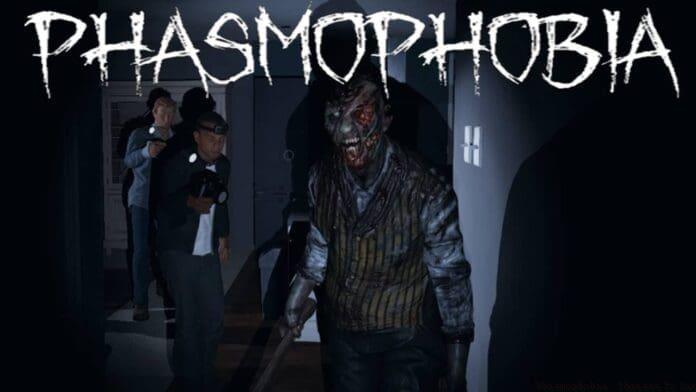
50 Essential Ghost Questions for Effective Investigation
Strategic questioning forms the foundation of successful ghost identification in Phasmophobia. These 50 questions are categorized by investigation phase and purpose, maximizing your chances of obtaining usable evidence while minimizing unnecessary risk.
Identity and Classification Questions
- Are you male or female?
- Can you give me your name?
- Who are we talking to?
- How old are you?
- When were you born?
- What year did you die?
- Are you friendly?
- What is your purpose here?
Location and Manifestation Questions
- Can you show yourself?
- What is your location?
- Where are you?
- Are you nearby?
- Are you behind me?
- Are you in this room?
- Can you touch me?
- Can you make a noise?
Behavior and Intent Questions
- Do you want to hurt us?
- Do you want us to leave?
- Are you angry?
- Why are you here?
- Do you want to talk?
- Should we leave?
- Are you the only one here?
- How many people are here?
Interaction and Activity Questions
- Let us know you are here.
- Can you open this door?
- Can you turn on the light?
- Can you throw something?
- Can you write something?
- Can you speak louder?
- Can you give us a sign?
- Will you show us?
Advanced Communication Strategies and Tips
Mastering ghost communication requires more than just knowing which questions to ask—it demands strategic timing, proper equipment management, and interpretation skills. Professional investigators follow specific protocols to maximize success rates.
Optimal Question Sequencing
Begin with non-threatening location questions to establish baseline ghost responsiveness before progressing to identity inquiries. Aggressive or personal questions should be reserved for later stages when you’ve built preliminary rapport and collected secondary evidence. Questions about age, death circumstances, or violent intentions often trigger hunting behavior in more aggressive ghost types.
Response Interpretation Techniques
Ghost responses vary significantly by type. Spirit Box responses may be direct or evasive, while Ouija Board answers might be misleading. Demons often respond aggressively to religious questions, while Shades remain silent around multiple investigators. Understanding these patterns helps narrow ghost types faster.
Common Investigation Mistakes
Many novice investigators make critical errors like asking the same question repeatedly (which reduces response likelihood), using questions inappropriate for the current evidence, or failing to account for sanity levels. Always monitor your team’s collective sanity—below 50% significantly increases hunting frequency regardless of questioning strategy.
Professional Investigation Checklist
Successful ghost hunting requires systematic preparation and execution. Follow this actionable checklist to improve your investigation efficiency and survival rates.
Preparation Phase
- Set up motion sensors and video cameras in high-activity areas
- Place sound sensors to monitor paranormal noises
- Ensure all investigators have crucifixes and sanity medications
- Designate safe rooms and escape routes before engagement
Active Investigation
- Begin with location-establishing questions first
- Use Spirit Box in darkness for improved response rates
- Rotate question askers to prevent voice recognition fatigue
- Document all responses and correlate with evidence types
Evidence Collection
- Cross-reference ghost responses with EMF readings
- Verify Spirit Box responses against ghost writing evidence
- Confirm temperature drops correlate with ghost appearances
- Match fingerprint evidence with ghost interaction responses
No reproduction without permission:GameCDjnh » Phasmophobia – Every Spirit Box question you can ask Master Phasmophobia ghost communication with 50 essential questions and advanced investigation techniques