
Yakuza Kiwami 1 & 2 Remastered Review: Essential PlayStation Upgrades with Enhanced Combat and Storytelling
Introduction to the Kiwami Remasters
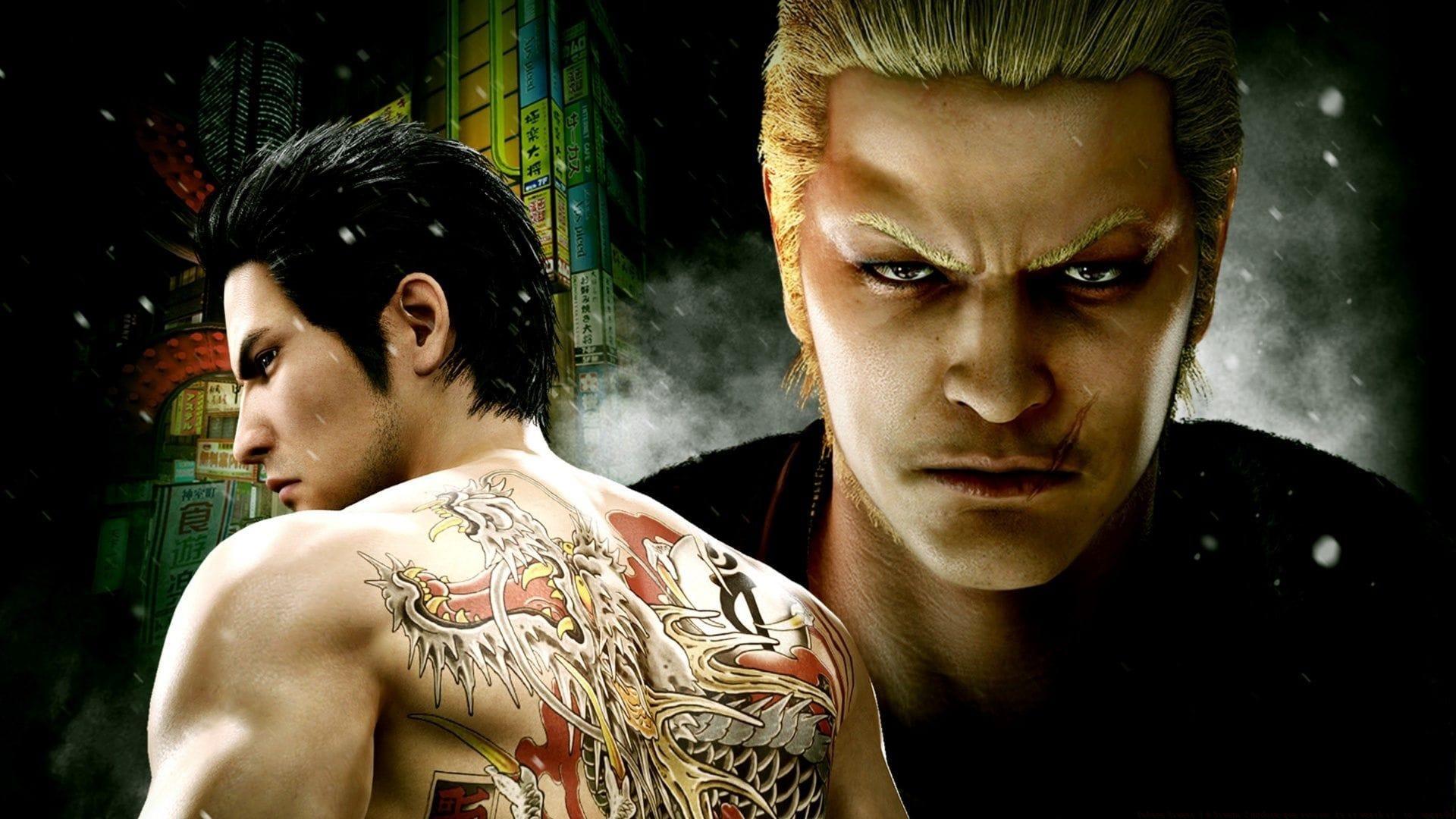
The recent modernization of Yakuza Kiwami 1 and Kiwami 2 for contemporary gaming platforms represents a significant milestone for the franchise. As someone who has followed the series since its inception, I’ve witnessed its evolution through various peaks and valleys, yet these foundational titles remain standout experiences. Kiwami 2 particularly shines with narrative depth that rivals even the most acclaimed entries in the series. The timing couldn’t be better, coming off major franchise successes like Infinite Wealth and Pirate Yakuza in Hawaii that have expanded the fanbase considerably.
For newcomers, understanding the upgrade path requires careful planning. The digital versions offer the best value, especially if you previously owned the PlayStation 4 editions. Strategic purchasing during seasonal sales can net you both games at significant discounts.
Story and Narrative Excellence
Yakuza Kiwami 1 and Kiwami 2 faithfully recreate the initial two chapters of the Yakuza saga originally launched on PlayStation 2, excluding the prequel narrative. Kiwami 1 centers around an elaborate ten billion yen heist targeting the Tojo Clan’s finances while simultaneously exploring the dramatic transformation of Kazuma Kiryu’s closest ally. The emotional weight of watching relationships fracture and reform creates a compelling character study.
In contrast, Kiwami 2 escalates the stakes dramatically with an all-out territorial war pitting the Omi Alliance against the Tojo Clan. The central conflict revolves around Ryuji Goda’s declaration that “there can only be one Dragon,” setting the stage for an epic East versus West confrontation. With the Tojo Clan’s stability crumbling, Kiryu once again becomes the reluctant hero tasked with restoration. This installment features some of the series’ most memorable character arcs, particularly the nuanced development of Kaoru Sayama, who brings both emotional depth and professional complexity to the narrative.
Avoid rushing through main story missions to fully appreciate character development. Many players miss subtle dialogue cues that foreshadow major plot twists if they focus solely on combat progression.
Gameplay Enhancements and Combat Systems
The original game received substantial improvements through the innovative Majima Everywhere System, which unpredictably inserts the fan-favorite character Goro Majima into virtually any location to challenge Kiryu. This mechanic serves a dual purpose: providing spontaneous combat encounters while systematically guiding Kiryu’s rediscovery of his signature Dragon of Dojima fighting style originally introduced in Yakuza 0. This combat foundation has become the series’ bedrock, making both titles essential experiences even for veterans of earlier releases.
Combat strategy varies significantly between titles. In Kiwami 1, focus on mastering the four fighting styles and switching dynamically based on enemy types. Kiwami 2’s more fluid combat benefits from environmental interaction and weapon utilization. Advanced players should prioritize heat action upgrades and equipment enhancements to maximize damage output against tougher bosses.
Common mistake: Neglecting substories early game. These side missions provide crucial experience points and unique abilities that make main story bosses significantly more manageable.
Technical Performance and Visual Upgrades
SEGA delivered exactly what they promised: crystal-clear 4K resolution combined with buttery-smooth 60 frames per second performance for both Yakuza Kiwami 1 and Kiwami 2. The enhanced fluidity transforms combat responsiveness and general navigation throughout Kamurocho and Sotenbori. While Kiwami 2’s combat mechanics understandably feel more refined given its more recent development origins compared to Kiwami 1 (which originated on PlayStation 3 in Japan), both deliver exceptional performance.
Though these updated versions incorporate limited quality-of-life enhancements, the implemented changes significantly impact gameplay enjoyment. The 4K/60 FPS presentation looks exceptionally sharp and plays even better. International audiences will appreciate the comprehensive language support including French, Italian, German, Spanish, Latin American Spanish, Brazilian Portuguese, and Russian text options that communities have actively requested.
The single notable disappointment involves save data compatibility. Unfortunately, PlayStation 4 save files cannot transfer to these upgraded versions, meaning players must rebuild their progress traditionally. While this initially frustrated me, the fresh start ultimately enhanced my appreciation for both games’ progression systems. The separation likely stems from trophy list variations requiring distinct save structures.
Performance optimization tip: Enable performance mode if available on your platform for the most consistent frame rates during intense combat sequences.
Upgrade Paths and Value Assessment
While a combined bundle offers reasonable pricing, previous owners of the PlayStation 4 versions of Yakuza 0, Kiwami 1, and Kiwami 2 purchased before December 8, 2025, qualify for extremely affordable upgrade options. Kiwami 2 surprisingly provides a completely free enhancement, while Kiwami 1’s upgrade costs minimally. This generous policy applies exclusively to digital editions, with post-December 8, 2025 purchases ineligible for upgrade paths. Regardless, the $30 bundle price represents outstanding value considering the hundreds of hours of content available.
Yes, Yakuza Kiwami 1 shows its age visually in certain environments, but the meticulously crafted cutscenes remain breathtaking and the 60 FPS gameplay feels incredibly responsive. Both titles contain occasional low-resolution textures that don’t substantially impact the overall immersion or enjoyment.
Pro tip: Check your PlayStation library for eligible upgrade discounts before purchasing the bundle—you might qualify for individual title upgrades at even lower costs.
Content and Replay Value
The cinematic sequences deserve particular praise for their visual excellence across both games, though Kiwami 2 naturally demonstrates superior graphical fidelity. My sole interface complaint involves Kiwami 1’s karaoke minigame, where I desperately wished for the refined interface from Kiwami 2 and subsequent titles for its improved readability and responsiveness.
I wholeheartedly recommend both Yakuza Kiwami 1 and Yakuza Kiwami 2, whether acquired through the bundle or digital upgrades. These exceptional games masterfully blend intense drama, heartfelt relationships, and satisfying combat mechanics. Memorable musical themes like “Pledge of Demon,” engaging diversions including the Cabaret Club management, and countless entertaining side stories create an incredibly rich gameplay experience that I couldn’t possibly comprehensively detail here.
These stand among the finest open-world action RPGs available anywhere, now more accessible than ever. With fair pricing and overflowing with remarkable content, you absolutely cannot make a wrong choice whether seeking holiday entertainment or simply a new world to immerse yourself in. Either title delivers exceptional value, though I strongly advise experiencing both for the complete narrative journey.
Completionist strategy: Focus on one district’s substories at a time rather than bouncing between areas to maintain narrative continuity and efficient progression.
No reproduction without permission:GameCDjnh » Yakuza Kiwami 1 & Kiwami 2 modern-gen review: Is it worth it to upgrade? Yakuza Kiwami 1 & 2 Remastered Review: Essential PlayStation Upgrades with Enhanced Combat and Storytelling