
Detailed comparison between Wuchang: Fallen Feathers and Wo Long Fallen Dynasty exploring combat, story, and gameplay differences
Introduction and Core Identity
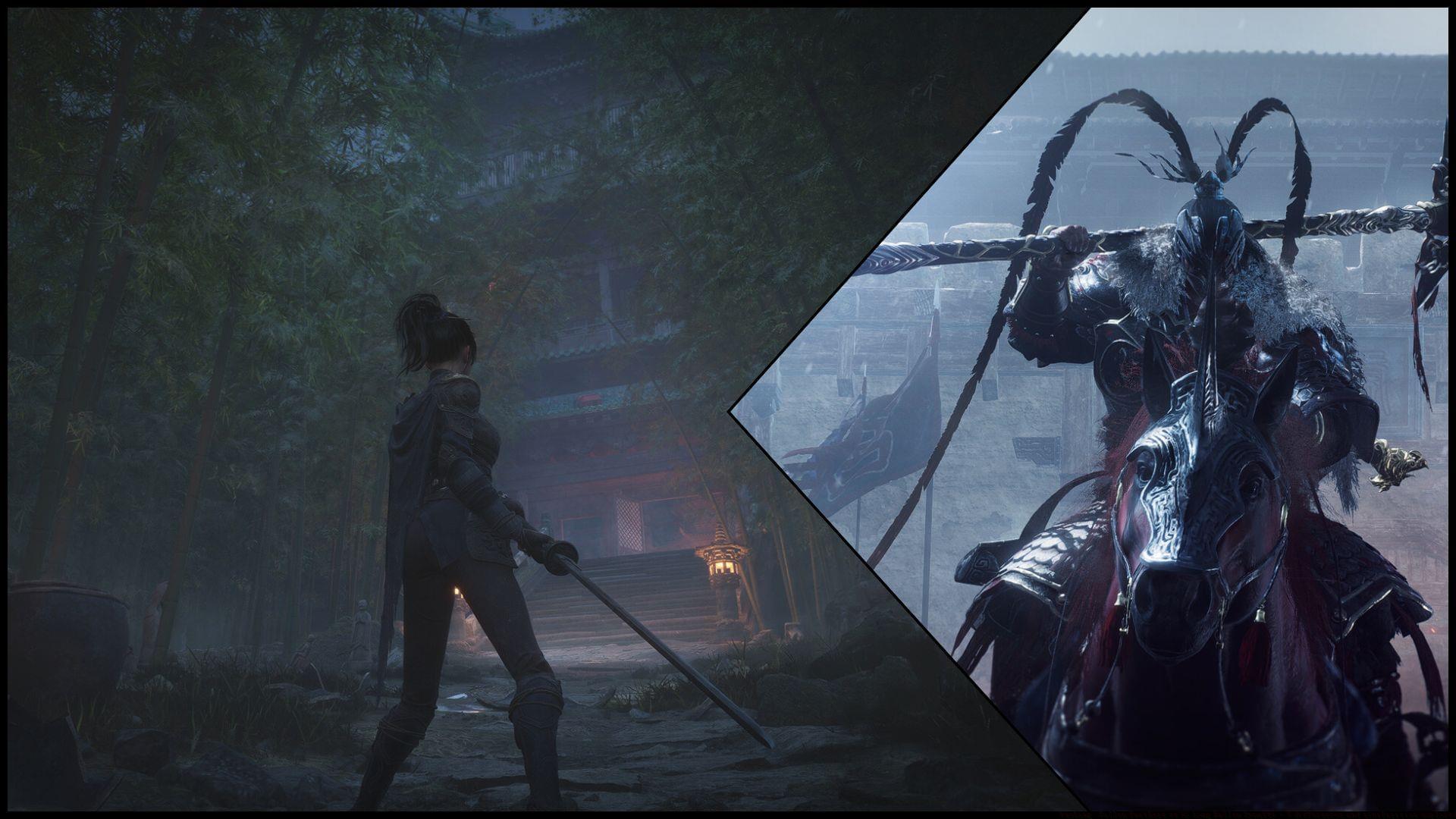
Wuchang: Fallen Feathers enters the competitive soulslike genre alongside established titles, inevitably drawing comparisons to Wo Long Fallen Dynasty, the 2023 action RPG that generated polarized but lasting discussions. While surface-level similarities exist, these games follow distinctly different design philosophies that cater to separate player preferences.
Wuchang: Fallen Feathers adheres to conventional Soulslike principles while distinguishing itself through exceptional artistic direction and exploration-focused gameplay. The game rewards careful environmental observation and methodical progression, whereas Wo Long prioritizes reactive combat mechanics and structured mission design.
Pro Tip: When approaching these games, consider your preferred playstyle—Wuchang suits exploration enthusiasts while Wo Long appeals to combat perfectionists seeking technical mastery.
Combat Systems Deep Dive
Both titles deliver engaging boss encounters but employ contrasting pacing strategies. Wuchang: Fallen Feathers spaces its major encounters thoughtfully, ensuring each boss feels like a significant milestone in your journey. Many can be approached according to your exploration rhythm, preventing mandatory combat from disrupting the flow of discovery. Conversely, Wo Long: Fallen Dynasty introduces bosses more frequently, creating a combat-intensive experience that constantly tests your mechanical skills.
Despite their different approaches, both games effectively utilize boss battles to challenge player adaptability and break up exploration segments with intense combat sequences.
The combat mechanics represent the most significant divergence between the two titles. Wuchang: Fallen Feathers employs the Skyborn Might system, where successful dodges and attack combinations generate charges used to unleash special abilities and weapon techniques. The gameplay emphasizes aggressive evasion and counter-attacking, with parrying restricted to specific weapon types and completely optional for progression.
Wo Long: Fallen Dynasty revolves around its spirit gauge mechanics—attacking, parrying, and maintaining offensive pressure fills this resource, enabling devastating special moves and finishers. Parrying forms the core defensive mechanic here, demanding precise timing and offering less margin for error compared to dodging-based defense.
Common Mistake: Wo Long players often underestimate spirit management, leading to vulnerable states after aggressive plays. Wuchang players frequently misuse dodge charges instead of saving them for critical moments.
Advanced Strategy: In Wuchang, master the dodge-cancel technique to maintain offensive pressure. In Wo Long, learn to balance spirit expenditure between offensive and defensive actions.
Character and Narrative Design
Both games draw profound inspiration from Chinese historical periods and mythological elements. Wo Long: Fallen Dynasty situates players in the turbulent late Han Dynasty, blending Three Kingdoms historical figures with supernatural demons and mystical powers. Wuchang: Fallen Feathers transports players to the late Ming Dynasty in the Shu region, where pandemic outbreaks and warfare have transformed the landscape into a desolate, cursed territory.
Despite their different historical settings, both titles skillfully merge authentic period elements with supernatural components to craft immersive, dark fantasy worlds that feel both familiar and fantastical.
Character creation and narrative delivery represent another major distinction. Wo Long Fallen Dynasty provides extensive character customization, allowing players to build their warrior from the ground up with surprisingly detailed creation tools covering facial features, color gradients, and body proportions. Wuchang: Fallen Feathers adopts the opposite approach with a predefined protagonist named Bai Wuchang, a female pirate navigating the cursed landscapes. Customization here remains limited to armor appearances and cosmetic items.
This fundamental difference dictates narrative delivery—Wo Long enables personalized storytelling where you project yourself into the historical fantasy, while Wuchang delivers a carefully crafted character journey with defined motivations and development arcs.
Optimization Tip: In Wo Long, invest time in character creation as it enhances connection to the narrative. In Wuchang, focus on armor sets that complement Bai Wuchang’s established personality and backstory.
Game World and Exploration
Structural design philosophies further distinguish these titles. Wo Long Fallen Dynasty follows a predominantly linear progression that maintains narrative momentum and directed pacing. Wuchang: Fallen Feathers implements a semi-open world structure with intricately connected environments that encourage thorough investigation. During exploration, players discover narrative fragments like chisel pieces and journal pages that reveal hidden story elements and potentially lead to multiple conclusion variants.
This represents Wuchang: Fallen Feathers’ standout strength. The game’s visual presentation is remarkably striking, featuring moody atmospheric settings, precise lighting effects, and expansive, interconnected level design that invites comprehensive exploration.
Wo Long Fallen Dynasty, while competent visually, cannot match Wuchang’s graphical fidelity. Its texture quality appears dated by comparison, with flatter color palettes and environments that feel less dynamic. The absence of advanced lighting systems and contemporary visual enhancements becomes particularly noticeable for players who prioritize graphical excellence in gaming experiences.
Exploration Strategy: Wuchang rewards backtracking with new discoveries, while Wo Long’s linear design means thorough initial exploration prevents missing content.
Multiplayer and Social Features
Wo Long’s distinguishing feature includes AI companion summoning capabilities. While these computer-controlled allies lack sophisticated intelligence, they provide valuable distraction and make challenging encounters more manageable. Cooperative multiplayer unlocks after reaching certain progression milestones, enabling collaborative level completion with friends.
Wuchang: Fallen Feathers excludes these social features entirely. The experience remains strictly solitary, requiring players to confront every monstrous threat and boss encounter independently. For gamers seeking shared adventures or assistance options, Wo Long clearly holds the advantage in this category.
Practical Consideration: Wo Long’s co-op makes difficult sections more accessible, while Wuchang’s solo requirement demands complete self-sufficiency and combat mastery.
Player Experience and Difficulty
Neither game presents overwhelming difficulty during initial hours. Wo Long: Fallen Dynasty provides accommodating early missions that gradually introduce combat mechanics and systems. Regarding Wuchang: Fallen Feathers, it embodies classic soulslike principles while maintaining slightly reduced intensity compared to genre benchmarks, resulting in an enjoyable and revitalizing gaming experience.
Both titles feature rapid combat pacing that balances offensive and defensive considerations. Wo Long concentrates on parrying techniques and spirit system management to enable powerful counter-attacks and finishing moves. Wuchang prioritizes evasion mechanics, where successful dodges accumulate resources for executing special abilities and weapon techniques.
Learning Curve Insight: Wo Long’s difficulty spikes around specific boss mechanics, while Wuchang’s challenge comes from environmental navigation and resource management during exploration.
Common Pitfall: New players often approach both games with wrong expectations—either assuming Wo Long is easier than it appears or underestimating Wuchang’s environmental challenges.
No reproduction without permission:GameCDjnh » Wuchang: Fallen Feathers vs Wo Long Fallen Dynasty – 5 differences and similarities explored Detailed comparison between Wuchang: Fallen Feathers and Wo Long Fallen Dynasty exploring combat, story, and gameplay differences