
Microsoft’s Perfect Dark cancellation analysis reveals development challenges and lessons for AAAA game projects
The Rise and Fall of a Gaming Icon
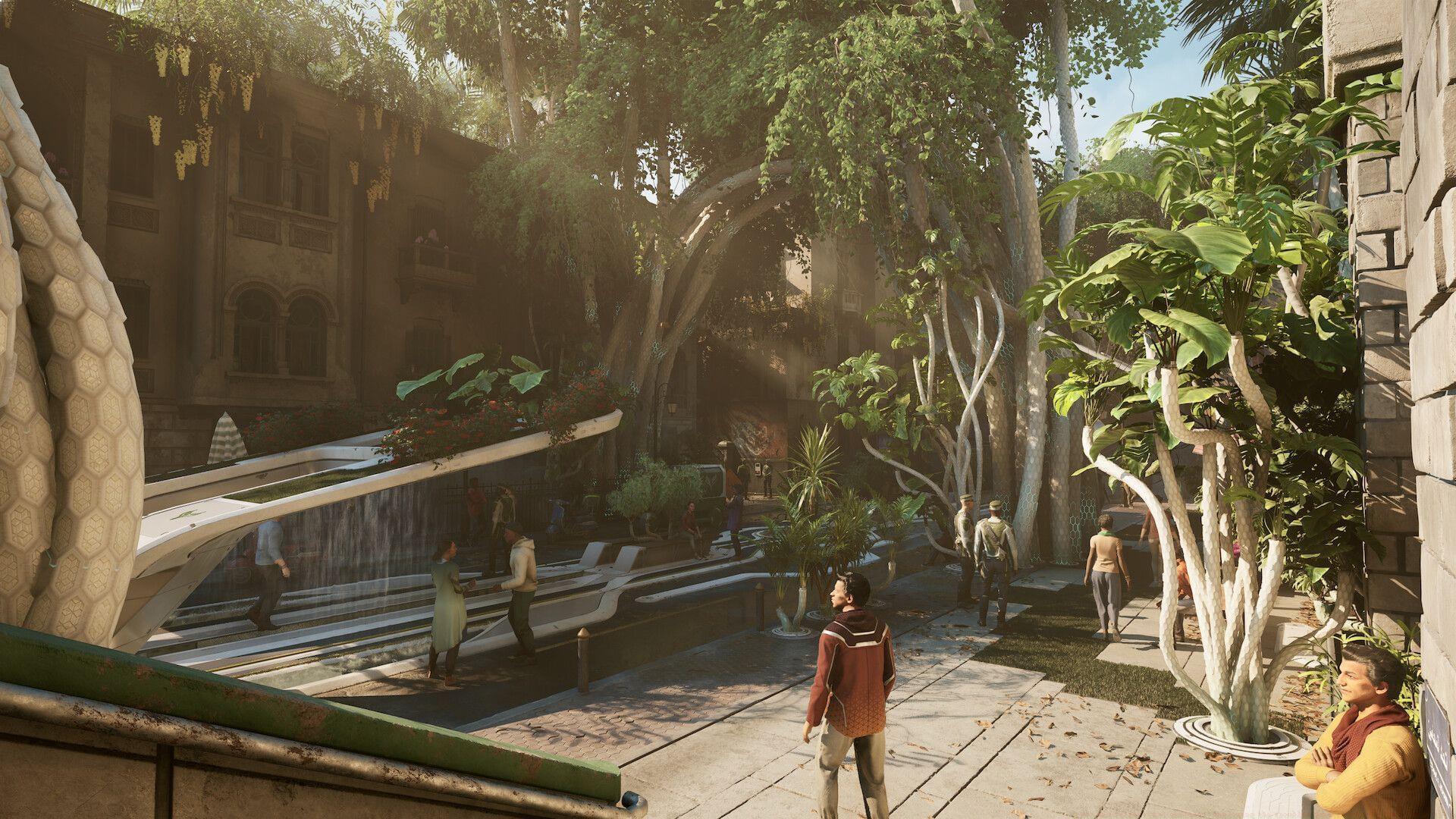
Microsoft recently confirmed cancellation of the anticipated Perfect Dark reboot, marking a significant setback for Xbox’s gaming portfolio. This Unreal Engine 5 first-person shooter represented Microsoft’s ambitious push into the AAAA gaming category, developed through collaboration between The Initiative and Crystal Dynamics. The project aimed to establish Xbox as a dominant force in the competitive console market by reviving a beloved franchise with cutting-edge technology.
Looking for Crossword hints & solutions? Check out latest NYT Mini Crossword Answers, LA Times Crossword Answers, and Atlantic Crossword Answers
Xbox Game Studios lead Matt Booty communicated this difficult decision through official channels, emphasizing the strategic nature of this move. His correspondence outlined the rationale behind terminating both the game development and associated studio operations, citing organizational restructuring priorities.
Fans have awaited a modern Perfect Dark installment since the series’ last release in 2010 for Xbox 360. This reboot promised to revitalize the iconic science fiction FPS franchise with contemporary gameplay mechanics and narrative depth. Internal reorganization focused on optimizing team efficiency and resource allocation ultimately led to the project’s termination.
The reboot intended to incorporate immersive simulation elements, diverging from traditional shooter mechanics. This design philosophy would have enabled multiple approaches to mission completion, drawing inspiration from acclaimed titles like Deus Ex. Unfortunately, persistent development complications contributed to the project’s ultimate cancellation.
The Initiative’s formation in 2018 under Crystal Dynamics veteran Darrell Gallagher established Microsoft’s Santa Monica-based development hub. This studio was conceived to compete directly with Sony’s Santa Monica Studios, aiming to produce genre-defining gaming experiences that would elevate Xbox’s market position.
Development Challenges and Mismanagement
Perfect Dark’s 2020 Game Awards CGI teaser announcement positioned it as a flagship title competing against PlayStation exclusives like God of War. Microsoft assembled an impressive roster of industry talent to support this ambitious undertaking, recruiting extensively from leading development studios.
The development team included professionals from Naughty Dog, Blizzard Entertainment, Infinity Ward, and other prominent studios renowned for cinematic gaming experiences. Notable additions included God of War (2018) veterans Brian Westergaard and Rhonda Cox from Santa Monica Studio, alongside Christian Cantamessa of Red Dead Redemption fame.
However, development reports following the 2020 reveal indicated significant internal challenges. Vision alignment issues emerged between The Initiative and external partner Certain Affinity, creating fundamental design conflicts that hampered progress. These creative differences manifested during early development phases, complicating project coordination.
Development cycles involved repeated prototyping, content scrapping, and project restarts that strained resources. The COVID-19 pandemic further disrupted workflow efficiency, introducing additional coordination hurdles for the distributed development teams. Crystal Dynamics joined the collaboration in 2021 to provide development support, bringing Tomb Raider reboot expertise to the project.
Fundamental issues included ambiguous creative direction and unrealistic project scope relative to team capacity. The Initiative maintained a compact core team of approximately 56 developers as of 2022, while Crystal Dynamics’ integration necessitated substantial content revision and development restarting. This scaling challenge represents a common pitfall in ambitious game development where team size fails to match project ambitions.
Project scope clarification came during PAX East 2022 when Matt Booty described Perfect Dark as blending spy thriller elements from Bourne and James Bond franchises. This direction honored the series’ origins as a spiritual successor to Rare’s Goldeneye 007 on Nintendo 64, maintaining franchise continuity while modernizing gameplay.
Lessons from Gaming Industry Precedents
The reboot continued Perfect Dark’s tradition of technological innovation, demonstrated through a compelling 2024 gameplay demonstration. However, Kotaku reporter Ethan Gach suggested this presentation may not accurately reflect actual development progress, indicating potential project instability. Industry insider Jeff Grubb corroborated these concerns during a Giant Bomb podcast, citing sources describing the project’s troubled state.
Staff departures from The Initiative between 2021-2023 reflected development frustrations and directional uncertainty. The studio’s modest team size amplified the impact of these departures, creating knowledge gaps and workflow disruptions. These personnel changes typically signal underlying project management issues in game development.
Perfect Dark’s cancellation and The Initiative’s closure represent a classic case of development mismanagement creating insurmountable obstacles. This pattern mirrors CD Projekt RED’s experience with Cyberpunk 2077, where ambitious scope and development challenges culminated in a problematic launch. Despite subsequent improvements through patches and updates, Cyberpunk 2077’s initial reception damaged developer reputation and player trust.
The gaming industry frequently witnesses ambitious projects struggling with scope management and development transparency. AAAA game development introduces additional complexity through heightened expectations and resource requirements. Successful navigation of these challenges requires robust project management frameworks and realistic milestone planning.
Development teams can benefit from implementing agile methodologies and maintaining flexible creative direction. Regular progress assessments and stakeholder alignment sessions help identify potential issues before they become critical obstacles. Transparent communication between development partners ensures vision consistency throughout project lifecycles.
Strategic Takeaways for Game Development
Game development studios can extract valuable lessons from Perfect Dark’s cancellation experience. Effective scope definition early in development prevents subsequent resource strain and directional changes. Teams should establish clear creative vision documentation and maintain it throughout development cycles.
Staffing strategies should align with project complexity, ensuring adequate resources for ambitious undertakings. The Initiative’s small core team struggled with AAAA project demands, highlighting the importance of appropriate team scaling. Development partnerships require careful management to maintain creative alignment and workflow efficiency.
External factors like pandemic disruptions necessitate contingency planning and flexible workflow adaptations. Studios should implement remote collaboration infrastructure and communication protocols to mitigate distributed development challenges. Regular progress transparency helps manage stakeholder expectations and identify emerging issues.
Industry veterans bring valuable experience but require integration into cohesive team dynamics. Leadership should foster collaborative environments that leverage diverse expertise while maintaining project vision consistency. Development milestones should include quality assurance checkpoints and creative alignment verification.
While Perfect Dark’s cancellation represents a setback for Xbox’s gaming portfolio, it provides instructive case study material for the broader gaming industry. Future AAAA projects can apply these lessons to improve development outcomes and deliver successful gaming experiences that meet player expectations while maintaining development sustainability.
No reproduction without permission:GameCDjnh » Why was Perfect Dark canceled? Exploring the troubled development of Xbox’s AAAA title Microsoft's Perfect Dark cancellation analysis reveals development challenges and lessons for AAAA game projects