
Why Obsidian’s The Outer Worlds 2 excludes romance options and what it means for RPG storytelling
Obsidian’s Consistent Anti-Romance Stance
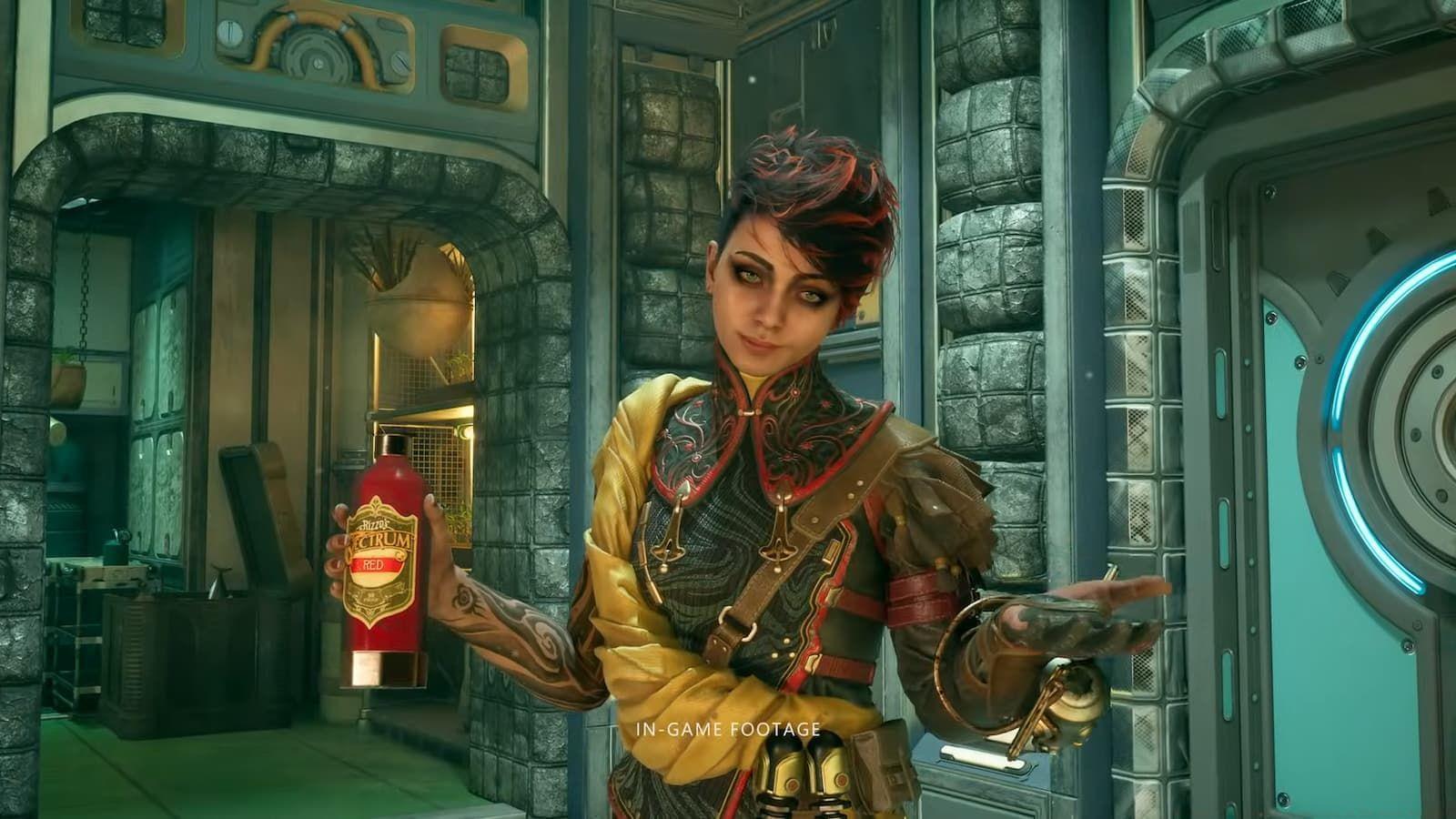
Obsidian Entertainment maintains its established pattern of role-playing games without romantic subplots in The Outer Worlds 2. When examining their recent game portfolio, this sequel demonstrates even less romantic content than previous releases. While the original Outer Worlds included limited relationship elements like assisting Parvati with her courtship, the sequel completely eliminates these options.
The development team doesn’t oppose romantic narratives conceptually but prioritizes authentic character interactions over mechanical romance systems. They consciously avoid implementing romance as a feature checklist item, instead focusing on meaningful companion relationships that develop naturally through shared experiences and dialogue.
Romantic elements aren’t essential for compelling storytelling, particularly in narratives critiquing corporate exploitation and ideological extremism. However, well-executed romance can enhance world-building and character depth. Even Obsidian’s historical adventure Pentiment contains subtle romantic undertones, proving the studio acknowledges romance’s narrative value when contextually appropriate.
The studio’s design principles remain aligned with Josh Sawyer’s longstanding position against transforming RPGs into what he describes as “harem anime simulators.” Sawyer has consistently criticized romance mechanics that serve as “fantasy indulgence and audience pandering” rather than meaningful narrative components. For The Outer Worlds 2, this philosophy combined with practical development constraints to exclude romance options entirely.
The Practical Reality of Game Development
Game director Brandon Adler emphasized the resource allocation challenges in his Gamesradar interview, highlighting how development requires careful prioritization. Creating substantial romantic content demands significant writing, voice acting, and programming resources that could otherwise enhance core gameplay systems.
Adler reinforced that game development involves constant trade-offs, where implementing romance to Obsidian’s quality standards would compromise other essential features. The studio’s commitment to organic, fully-realized character relationships means romance cannot be implemented as a superficial addition.
The Outer Worlds 2 represents substantial technical advancement over its predecessor, with significantly improved combat mechanics and expanded exploration areas. With Obsidian simultaneously developing Avowed and Grounded 2 within tight timelines, resource allocation became particularly constrained. Limited development bandwidth made romance systems an impractical addition despite their potential narrative value.
For players disappointed by the absence of romance, Avowed provides partial compensation with its limited relationship options. This demonstrates Obsidian’s willingness to include romance when development scope permits, though never as a primary gameplay focus.
What This Means for Future Obsidian Games
Regarding potential future titles, Josh Sawyer clarified his current perspective on companion romance during a recent Q&A session. While discussing a hypothetical Pillars of Eternity 3, Sawyer indicated romance would likely remain excluded based on both philosophical and practical considerations.
The discussion occurred alongside analysis of Baldur’s Gate 3’s approach to romance, coincidentally touching on budget limitations in game development. This context highlights how even successful RPGs face similar resource allocation decisions, though with different philosophical outcomes.
The definitive answer regarding The Outer Worlds 2’s romance absence relates to focused development priorities. Resources were concentrated on enhancing companion reactivity and interaction systems rather than implementing romantic relationships. This strategic decision reflects the studio’s commitment to their distinctive design identity while working within Microsoft’s production expectations.
For RPG enthusiasts, this means understanding that Obsidian titles will continue prioritizing narrative coherence and world-building over romantic subplots. Players seeking extensive romance options may need to look toward studios like Larian or BioWare for that particular gameplay element.
Player Strategies for Narrative Enjoyment
Despite the absence of romance mechanics, players can maximize their enjoyment through alternative approaches. Focus on developing deep platonic relationships with companions, as these often provide richer character development than romantic storylines in Obsidian’s design philosophy.
Pay close attention to companion quests and dialogue choices, as these contain the emotional depth that other games channel into romance arcs. The reactive companion system offers substantial character development through friendship and loyalty mechanics rather than romantic entanglement.
Explore the game’s expanded gunplay and exploration systems, which received significant development resources. Understanding that these areas benefited from the romance exclusion can help players appreciate the trade-off decisions made during development.
For players transitioning from romance-heavy RPGs, adjust expectations toward narrative complexity rather than character romance. The Outer Worlds 2 offers sophisticated corporate satire and companion interactions that provide emotional satisfaction through different narrative channels.
No reproduction without permission:GameCDjnh » Why can’t you romance companions in The Outer Worlds 2? Why Obsidian's The Outer Worlds 2 excludes romance options and what it means for RPG storytelling