
Unveiling the dark mythology behind Game Science’s upcoming Black Myth Zhong Kui and its unique gameplay implications
Introduction to the Black Myth Universe Expansion
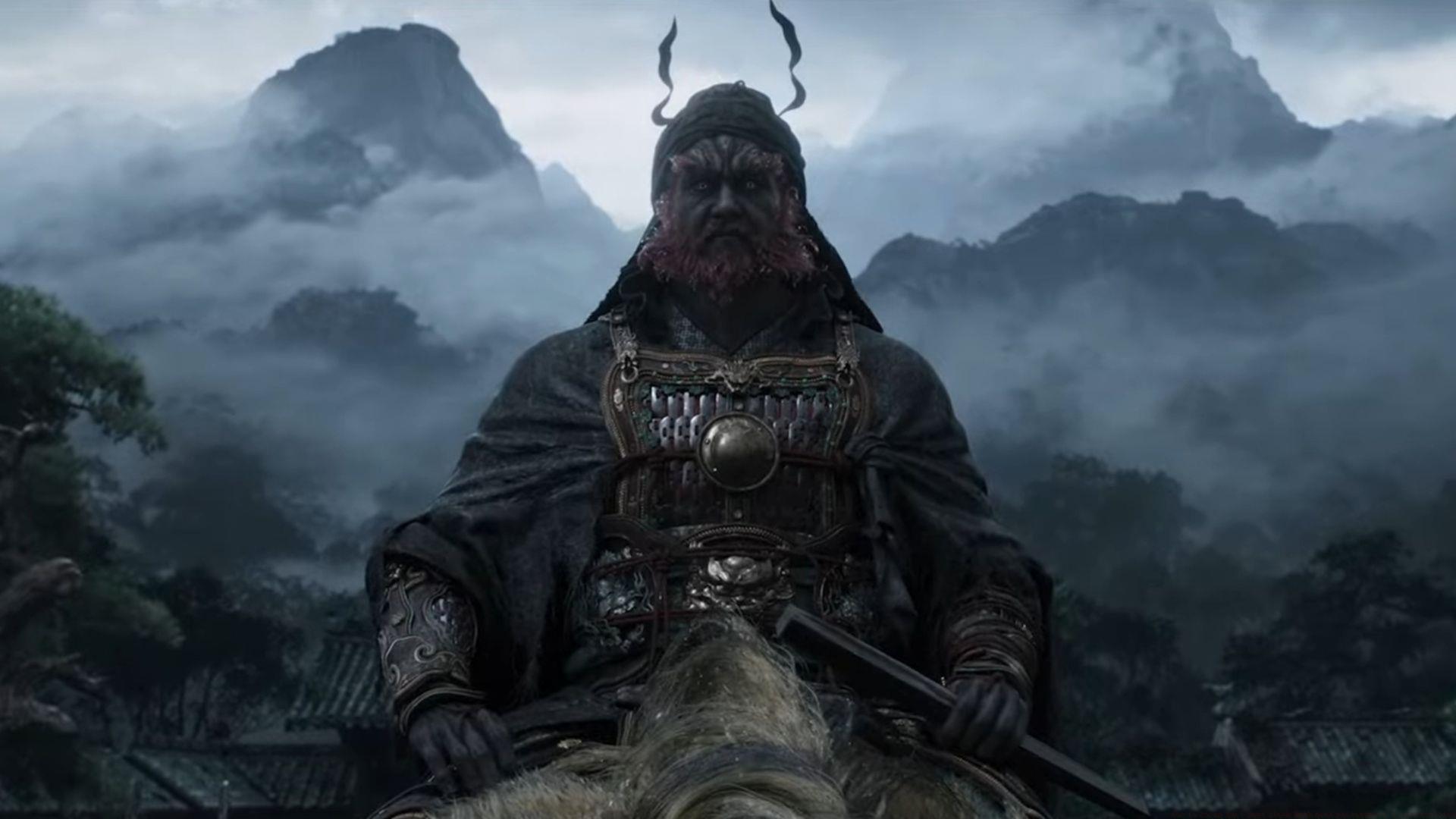
Game Science’s upcoming title Black Myth Zhong Kui represents a strategic expansion of their successful franchise following Black Myth Wukong. This new installment continues their exploration of darker Chinese mythological figures while establishing a cohesive gaming universe. The selection of Zhong Kui as protagonist demonstrates the developers’ commitment to mining rich folklore traditions beyond the familiar Journey to the West narrative.
Unlike the rebellious Sun Wukong, Zhong Kui offers a fundamentally different character archetype—a tragic scholar transformed into a supernatural protector. This shift suggests varied gameplay mechanics focused more on spectral abilities and demonic companions rather than pure martial prowess. The trailer indicates potential summoning mechanics and ghost-based combat systems that would differentiate this title from its predecessor.
Zhong Kui’s Tragic Origin Story
Zhong Kui’s mythological journey begins during the Tang Dynasty as an accomplished scholar possessing exceptional intellectual gifts but cursed with what historical texts describe as a fearsome appearance. His square facial structure, protruding eyes, and unkempt hair created immediate prejudice despite his scholarly achievements. This physical description likely influenced Game Science’s character design approach, balancing historical accuracy with gameplay visibility requirements.
The pivotal moment in Zhong Kui’s story occurred during the Imperial Examination in Chang’an, where he demonstrated superior knowledge and earned the prestigious Zhuangyuan designation (the highest academic honor). However, Emperor-led discrimination based solely on appearance resulted in immediate revocation of his hard-won titles. This injustice triggered his tragic decision to end his life at the imperial gates, establishing the core tragedy driving his character motivation.
Following his death, Zhong Kui’s soul descended to Diyu (the Chinese underworld), where his potential caught the attention of Yan Wang, the underworld sovereign. Recognizing his untapped capabilities, the King of Hell transformed Zhong Kui’s narrative by appointing him as the “King of Ghosts” with authority over thousands of spectral entities. This mythological promotion provides the foundation for potential gameplay mechanics involving demon recruitment and supernatural army management.
Mythological Powers and Abilities
As the newly appointed Ghost King, Zhong Kui received supernatural jurisdiction over demonic entities with capabilities including exorcism, spirit command, and evil entity subjugation. His authority extended to commanding legions of ghosts, suggesting potential gameplay systems where players manage spectral companions with different abilities and specialties. The mythological record indicates hierarchical command structures that could translate into sophisticated companion management mechanics.
Zhong Kui’s band of five demons, known as the five moving ghosts, served as his primary retainers handling essential items and weapons. These entities likely represent specialized companion types in the game, each with unique utility functions—from carrying equipment to providing combat support. The trailer suggests these demons may be customizable or upgradeable, offering strategic depth beyond simple summoning mechanics.
His return during Chinese New Year to thank friend Du Ping and arrange his sister’s marriage demonstrates Zhong Kui’s maintained connection to the mortal realm. This aspect of the mythology could inspire gameplay systems balancing supernatural duties with mortal world interactions, creating narrative tension between ghostly responsibilities and human relationships.
Cultural Evolution and Game Adaptation
Zhong Kui’s cultural journey extends beyond Chinese mythology into Japanese folklore, where he transforms into Shoki—a figure notably depicted riding a tiger. This cross-cultural adaptation explains Game Science’s creative decision to include tiger mounts in the trailer, blending Chinese mythological foundations with Japanese artistic interpretations. This fusion creates a unique version that respects source material while introducing innovative elements.
The trailer’s visual design closely matches 19th-century Japanese artworks portraying Shoki, indicating thorough research into the character’s regional variations. This attention to historical artwork suggests Game Science may incorporate period-accurate visual elements while adapting them for modern gaming aesthetics. The tiger mount specifically derives from Japanese tradition, representing a deliberate creative choice rather than mythological oversight.
Emperor Xuanzong’s dream encounter, where Zhong Kui devoured a troublesome ghost and vowed protection, established his popular recognition and cultural significance. This narrative element could inspire dream-sequence gameplay mechanics or vision-based storytelling techniques within the game. The miraculous healing following the dream suggests potential healing or purification abilities in gameplay terms.
Release Timeline and Development Expectations
While Black Myth Zhong Kui lacks an official release date, analysis of Game Science’s development patterns suggests a probable late 2026 to 2027 launch window. This timeline accounts for the extensive development cycle demonstrated by Black Myth Wukong while considering potential efficiency improvements from established workflows and engine familiarity. The complexity of implementing new supernatural mechanics may extend development compared to more conventional combat systems.
Based on the mythological foundation, players can anticipate several innovative gameplay systems potentially including: demon recruitment and management mechanics, spectral transformation abilities, exorcism-based combat, and moral choice systems affecting ghostly alliances. The five moving ghosts likely function as specialized companion types with upgrade paths and situational utilities.
Common player mistakes to avoid include underestimating the strategic depth of companion management and overlooking the narrative consequences of moral choices within ghostly politics. Advanced players should focus on mastering demon synergy combinations and understanding the mythological accuracy behind various abilities for optimal gameplay effectiveness.
No reproduction without permission:GameCDjnh » Who is Zhong Kui? Next Black Myth game protagonist’s lore explored Unveiling the dark mythology behind Game Science's upcoming Black Myth Zhong Kui and its unique gameplay implications