
A deep dive into the indie developer behind Schedule 1 and practical strategies for mastering its early access gameplay.
The Meteoric Rise of an Indie Phenomenon
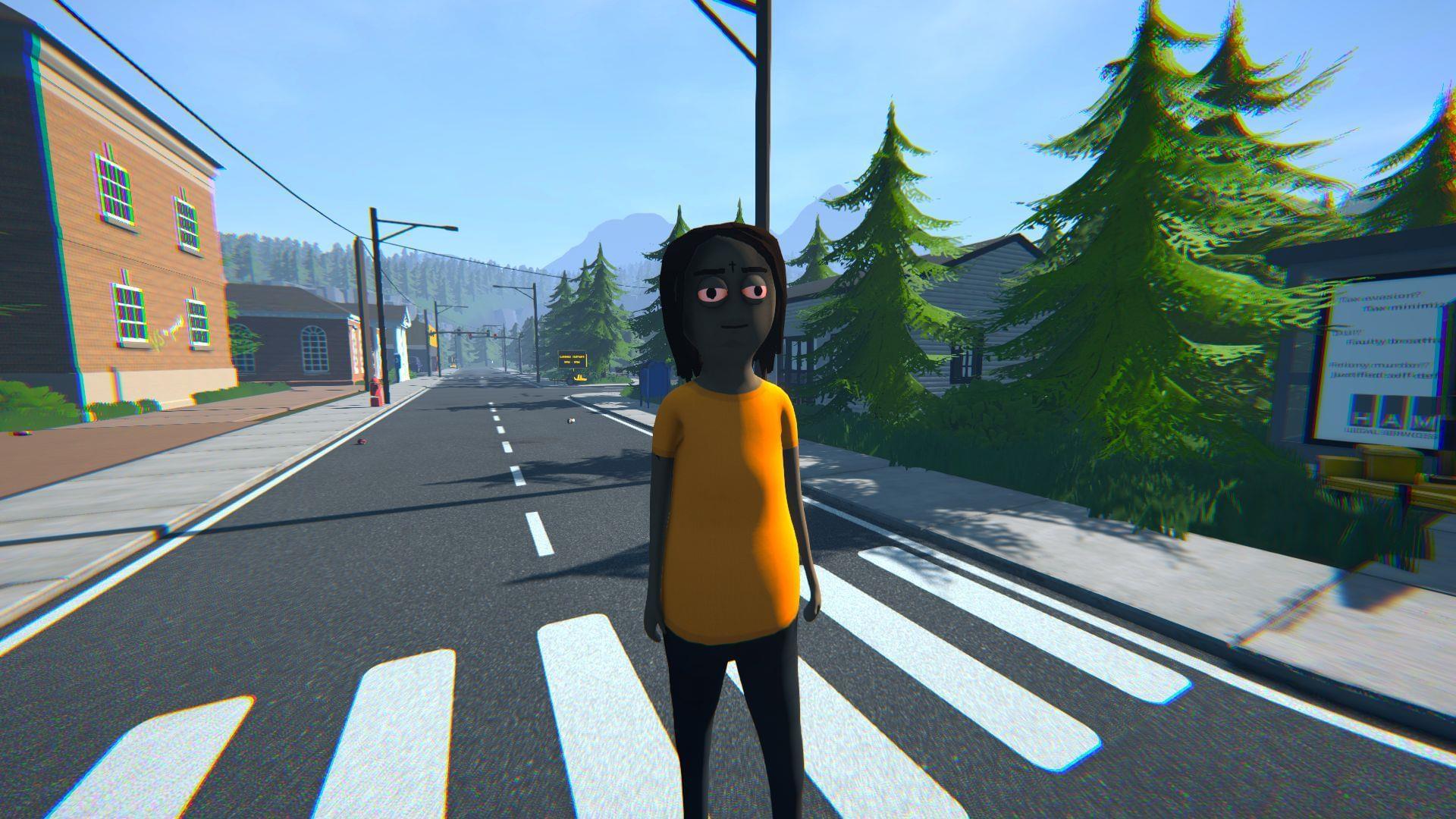
The gaming landscape was quietly disrupted by Schedule 1, an indie title that materialized without the fanfare of a major studio launch. Its trajectory from obscurity to a global sensation on Steam is a modern digital fairytale. What makes this ascent remarkable isn’t just its speed, but its context: achieving the number one spot globally by competing directly against high-budget AAA franchises. This demonstrates a potent market shift towards innovative, focused gameplay experiences over sheer graphical polish or marketing budgets.
For players, this origin story is crucial. It frames Schedule 1 as a community-driven project where feedback can directly shape development, unlike the rigid pipelines of larger studios. The game’s design philosophy likely prioritizes addictive core loops and unique mechanics over cinematic scope, a key insight for understanding how to engage with it effectively.
Meet the Development Team
At the helm is Tyler, a rare example of a solo developer acting as the lead designer, programmer, and primary artist. This unified vision eliminates creative dissonance but also means development pace is tied to a single individual’s workflow. For players, this translates to a coherent, if meticulously crafted, world where every element serves a deliberate purpose.
The auditory identity of Schedule 1 is crafted by KAESUL, whose soundtracks are more than background noise. In games with grinding elements or repetitive tasks, a catchy and well-composed soundtrack is a critical retention tool. Players can use audio cues strategically; certain tracks might correlate with specific in-game states or events, offering subtle gameplay information.
Environmental storytelling is delivered by artist Cody To. The hilarious and mysterious graffiti scattered throughout the map aren’t just aesthetic flourishes. In many games, such details hint at lore, hidden mechanics, or even easter eggs. Observant players should document recurring symbols or messages in graffiti, as they may form puzzles or lead to undiscovered content, a common design trick in detail-oriented indie titles.
Navigating Early Access: A Player’s Guide
The most promising sign for Schedule 1‘s longevity is Tyler’s active and transparent development process. Frequent updates and a published roadmap are goldmines for players. A roadmap is not just a list of promises; it’s a strategic document. By reviewing it, you can identify which core systems are considered ‘complete’ and which are slated for overhaul. Avoid investing heavily in mechanics marked for major revision, and instead, master the systems labeled as stable.
Since the game is in early access, a significant portion of content is still on the drawing board. This creates a unique player strategy: balance mastering the current meta with future-proofing your progress. For example, hoarding generic resources is often wiser than spending them on items that may become obsolete. Furthermore, engage with the community on official channels; constructive feedback during early access has a higher chance of influencing final design than post-launch criticism.
Practical Tip: Create a personal log comparing patch notes against the public roadmap. This will help you predict developer priorities and adapt your playstyle ahead of major updates, giving you a competitive edge.
Advanced Strategies and Common Pitfalls
Optimization for Advanced Players: With a small team, game balance can have distinct quirks. Seek out synergies the developers may not have exhaustively tested, often found in cross-discipline mechanics (e.g., a specific sound cue from KAESUL’s soundtrack coinciding with a visual pattern in Cody To’s art to trigger an event). Data-mine community discussions for these emergent strategies.
Common Mistakes to Avoid:
- Ignoring the Core Loop: Don’t wait for future content. The addictive ‘hook’ of Schedule 1 is present now. Overlooking it while waiting for updates leads to burnout.
- Over-Specializing Too Early: With major systems pending, building your entire strategy around one niche mechanic is risky. Maintain flexibility.
- Underestimating Community Knowledge: In small-team games, the collective player base often discovers optimizations faster than devs can patch them. Stay connected.
Looking Ahead: The true test for any early access title is the transition to version 1.0. Monitor how Tyler & team manage this process—their ability to integrate planned content without breaking the existing game will be the ultimate indicator of the project’s health and your long-term investment’s safety.
Expand your Schedule 1 mastery:
- How to level up fast in Schedule 1
- All ranks in Schedule 1 and what they unlock
- How to make the best Strains in Schedule 1
No reproduction without permission:GameCDjnh » Who created Schedule 1, and why is it so popular? A deep dive into the indie developer behind Schedule 1 and practical strategies for mastering its early access gameplay.