
A comprehensive breakdown of The Witcher 4’s Unreal Engine 5.6 showcase, new gameplay features, and what it means for the franchise’s future.
Introduction: From Announcement to Action
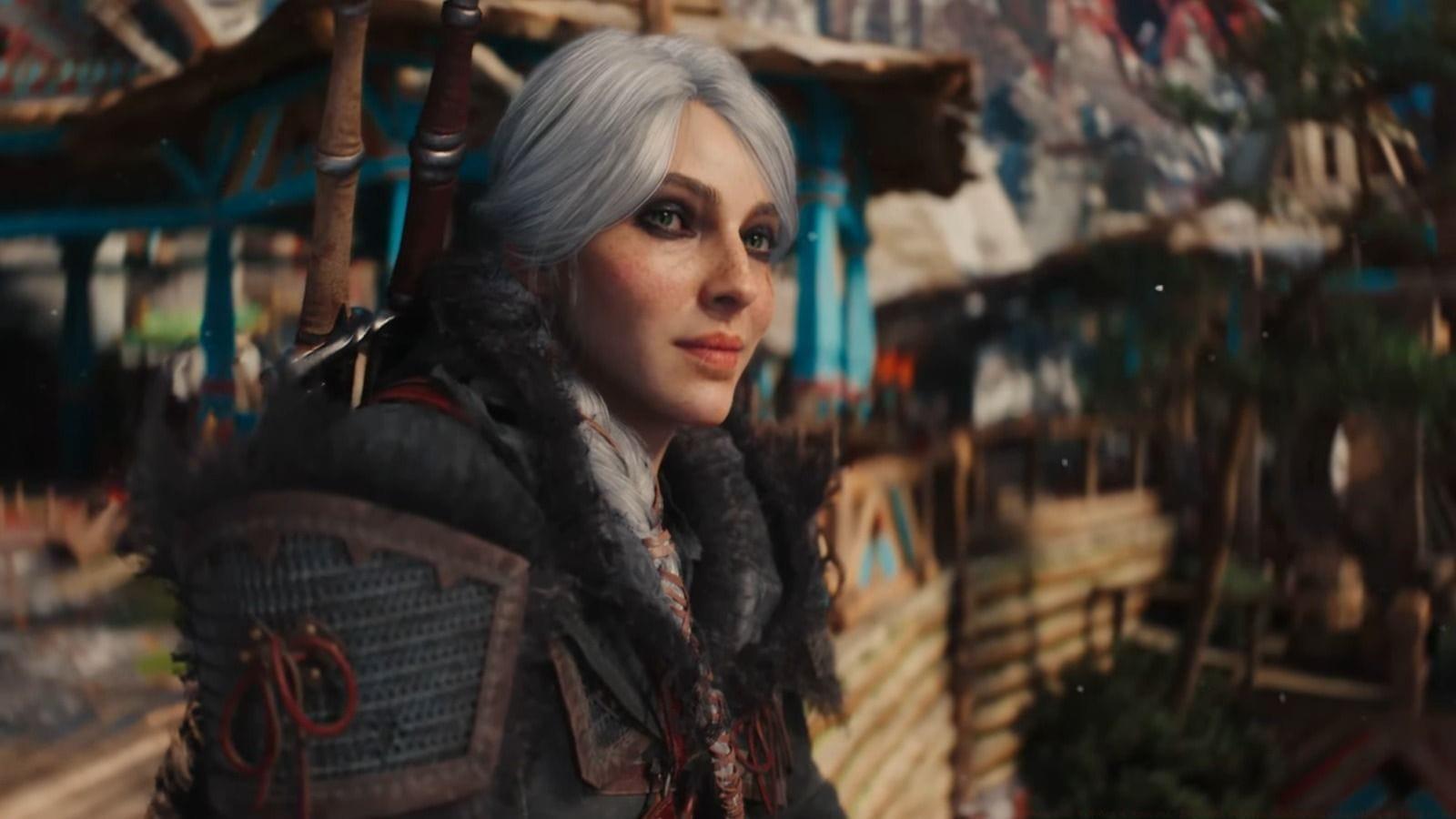
The initial announcement of The Witcher 4 promised a revolutionary shift for the franchise: a new saga, a new protagonist, and a migration to Unreal Engine 5. After months of speculation, the State of Unreal 2025 presentation transformed those promises into a tangible vision. This wasn’t just another teaser; it was a substantive tech demo that answered critical questions about the game’s direction, scope, and technological ambition, finally moving the conversation from ‘what if’ to ‘how’.
Looking for Crossword hints & solutions? Check out latest NYT Mini Crossword Answers, LA Times Crossword Answers, and Atlantic Crossword Answers
The State of Unreal 2025 showcase served as our first genuine glimpse of The Witcher 4 in motion. Moving beyond concept art and pre-rendered cinematics, the demo provided a controlled slice of gameplay, establishing the tone, pace, and visual benchmark for the full experience. It confirmed that the development is progressing from foundational design to polished, interactive systems.
The Kovir Showcase: A New World Unveiled
The demo strategically introduced players to Kovir, a northern realm previously only mentioned in lore. This setting diverges from the familiar swamps and war-torn fields of the Northern Kingdoms, offering a fresh canvas of snowy mountain passes, dense, ancient pine forests, and the bustling port town of Valdrest. The environmental storytelling through geography alone suggests a narrative focused on exploration, political intrigue in a prosperous nation, and perhaps a more personal journey for Ciri.
A cornerstone of the presentation was the demonstration of a truly seamless world. The demo fluidly transitioned from open-field exploration on horseback, into a tense combat encounter against a new creature, and directly into a cinematic story moment—all without a single loading screen or perceptible hitch. This design philosophy, powered by Unreal Engine 5.6’s streaming technology, is poised to deliver an unprecedented level of immersion for the series, making the world feel like a continuous, living entity rather than a series of connected zones.
Unreal Engine 5.6 Deep Dive: The Tech Powering the Saga
Perhaps the most confidence-inspiring detail was the demo’s performance: a stable 60 frames per second with ray tracing enabled on a standard PlayStation 5. This indicates that CD Projekt Red has learned from past optimization challenges and is prioritizing performance alongside visual splendor. The showcased technology isn’t just for show; each feature addresses a specific weakness or ambition for open-world RPGs.
The demo highlighted several Unreal Engine 5.6 features that will directly shape the player experience:
Collectively, these technologies are not just visual upgrades; they are tools to build a world that reacts, breathes, and convinces. The focus is on creating systemic density—where the environment, characters, and physics interact in believable ways—rather than just static beauty.
Platform Strategy and Development Timeline
The Witcher 4 is officially in development for PC, PlayStation 5, and Xbox Series X|S. This alignment with current-generation hardware allows the developers to fully leverage the SSD speeds and CPU power that enable features like Fast Geometry Streaming. The lack of mention regarding Nintendo Switch 2 support strongly suggests the game is being built without the compromises that a cross-generational or less powerful portable release would necessitate.
The presentation ended with the most sobering, yet expected, confirmation: a launch date before 2027 is not in the cards. Given the scale of the project, the complexity of the new engine, and CD Projekt Red’s commitment to post-launch support, this extended timeline is a strategic choice for quality. For players, this means managing expectations and viewing the game as a late-decade milestone rather than a near-future release.
Strategic Analysis and Player Preparation
The shift to Ciri and the new engine signals more than a graphical upgrade. Players should anticipate gameplay systems rebuilt from the ground up—combat may feel different, alchemy and crafting could be more deeply integrated with the world, and dialogue systems may evolve with the improved NPC AI. This is a foundational reboot for the franchise’s mechanics.
Also read: 5 games to try out while you wait for Witcher 4
Common Mistake to Avoid: Do not expect “The Witcher 3: Part 2.” While the lore continues, the technological and design leaps suggest a gameplay experience that will feel distinct. Avoid the pitfall of assuming all systems will work identically.
Optimization Tip for Advanced Players: If you’re a PC player, start paying attention to developments in Unreal Engine 5.6 games releasing in 2025-2026. Their performance profiles and GPU/CPU utilization will be the best indicator of the hardware you’ll likely need for an optimal Witcher 4 experience.
No reproduction without permission:GameCDjnh » When does Witcher 4 come out: Expected release window and everything we know so far A comprehensive breakdown of The Witcher 4's Unreal Engine 5.6 showcase, new gameplay features, and what it means for the franchise's future.