
TL;DR
- Prioritize gear upgrades for PvE and PvP content effectiveness
- Invest in consumables like food and potions for stat boosts and sustainability
- Allocate funds for housing and fashion items as long-term endgame goals
- Use gold to access Crown Store items through secure exchange services
- Consider community contributions as advanced economic strategies
In The Elder Scrolls Online, gold functions as the primary economic driver that enables acquisition of critical equipment and services. Your spending strategy should align with gameplay objectives and character progression needs. Expert player Arttea provides actionable guidance on optimizing gold expenditure across different content types.
Reliable equipment forms the foundation for success across all game modes. Proper gear selection directly impacts survival rates and performance metrics, whether tackling group dungeons with allies, eliminating world bosses with random companions, or supporting teammates in Cyrodiil’s intense PvP battles.
Numerous equipment pieces can be acquired without spending currency through multiple channels. These include defeating Overland bosses, completing dungeon and trial content, and utilizing PvP-specific currencies like Alliance Points or Telvar Stones. Crafting represents another viable pathway, either through personal skill development or commissioning other players. Many armor and weapon sets remain accessible through these free methods.
Every ESO adventurer requires properly functioning equipment. However, certain gear remains temporarily inaccessible, particularly for newer participants. For example, freshly created characters cannot immediately obtain current meta equipment that’s bound to account and sourced from trial content – high-level group activities. This limitation shouldn’t cause concern, as alternative non-trial gear performs adequately for most gameplay scenarios.
When direct participation in dungeons, trials, or player-versus-player content proves challenging, Guild Stores offer tradable equipment alternatives. Alternatively, you can commission other players using ESO currency or crafting materials to produce customized gear. Even as skills improve over time, purchasing tradeable items from fellow players often saves substantial time investment.
Dedicated competitive players frequently require gear updates to maintain alignment with evolving meta shifts accompanying each game patch. This becomes particularly relevant for enthusiastic PvP participants and those maintaining multiple character classes.
Planning to utilize ESO’s Companion system necessitates proper equipment allocation to enhance their survival probabilities. However, Companion-specific gear carries premium pricing, especially when seeking optimal trait combinations.
Equipment represents only one component of character preparation; consumables like food and potions complete the optimization package. Nutritional items boost maximum statistics and improve resource sustainability. While crafting remains an option, newer players often lack necessary skills, making player-to-player purchases the practical solution. Even experienced veterans without developed Crafting lines frequently buy consumables from other players.
Similar principles apply to potion usage. Potions deliver crucial buffs affecting recovery rates, damage output, and various other combat parameters. Regular potion consumption significantly enhances performance capabilities across all content categories.
After securing fundamental gear and consumables, currency can be allocated toward enhancement projects. Upgrading equipment quality to Gold tier, amplifying damage or healing potential, or increasing survivability all represent valid upgrade paths. For instance, premium food items offering marginal stat improvements over budget alternatives might justify their higher cost. Crafting-focused players often invest heavily in materials to produce items across previously mentioned categories.
If purchasing pre-made gear and consumables doesn’t align with your approach, self-crafting presents an alternative. However, this requires learning specific recipes or completing necessary trait research. Additionally, you must source all required crafting components through gathering or purchasing.
Many players eventually channel resources toward ESO’s celebrated endgame domains: Housing and Fashion customization.
The phrase “housing or fashion is endgame” originates from numerous endgame activities rewarding cosmetic and decorative items. These include dungeon and trial motifs plus exclusive achievement furnishings from both PvE and PvP content. This expression also emphasizes how veteran players frequently shift focus toward character appearance customization and home decoration.
If housing or fashion interests you, numerous purchasable items exist. Investing in motifs and style pages enables distinctive character aesthetics. Similarly, currency can purchase furnishings, furnishing materials, furnishing plans, and property acquisitions to create impressive residential spaces.
Certain category items command premium pricing, exemplified by the Baron-Zaudrus mask style page or rare furnishing drops from public dungeons.
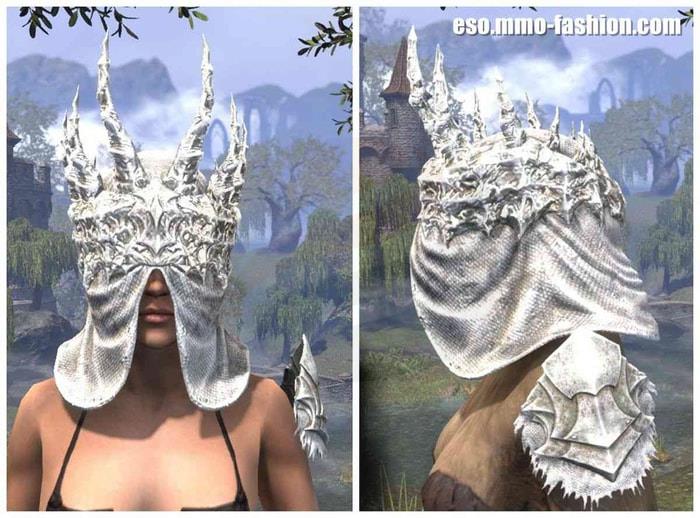
the Baron-Zaudrus mask
As new content releases, many participants require additional materials for crafting new items or pursuing updated gear. Meanwhile, other players have already obtained desired equipment, supplies, housing items, and fashion pieces while continuing to accumulate substantial wealth. These economically established players often redirect surplus funds through various community-supporting channels.
Some community members choose to reinvest their resources through philanthropic initiatives. They might cover gear-crafting material costs for newer players, eliminating financial barriers. Alternatively, they donate currency or items to trading guilds that facilitated their economic success.
Weekly, to maintain trader access for their communities, numerous trading guild leaders allocate personal earnings toward specific guild trader bids.
The Crown Store functions as The Elder Scrolls Online’s premium marketplace. Here, players acquire items using Crowns, obtained through real-money transactions. However, an alternative pathway exists for obtaining Crown Store items without direct cash expenditure. This occurs through Crown Exchange services where participants negotiate gold amounts with Crown sellers. The seller then gifts the purchased item directly from the Crown Store. This practice remains permissible under current Terms of Service guidelines.
Recommendation: When using gold to acquire Crown Store items, TCE’s Crown Exchange service provides scam-protected transactions.
Crown exchange mechanisms enable acquisition of numerous Crown Store offerings, including previous chapters, DLC content, character and outfit slots, Alliance change tokens, mounts, cosmetics, and additional items. Many participants consider the Crown Store home to exceptional cosmetic offerings, explaining why substantial gold accumulation becomes necessary to obtain and display these exclusive items.
Action Checklist
- Assess current gear gaps and prioritize upgrades based on content focus
- Stockpile essential consumables based on your primary activities
- Research current meta builds and price check Guild Store alternatives
- Allocate budget for housing and fashion items as long-term investments
- Explore Crown Exchange services for premium item acquisition
No reproduction without permission:GameCDjnh » What You Can Do with Your Gold in ESO Strategic gold spending guide for ESO players covering gear, consumables, housing, and premium items