
Master the Yakuza/Like a Dragon series with optimal play order strategies for maximum story immersion and character development
Introduction to the Yakuza Universe
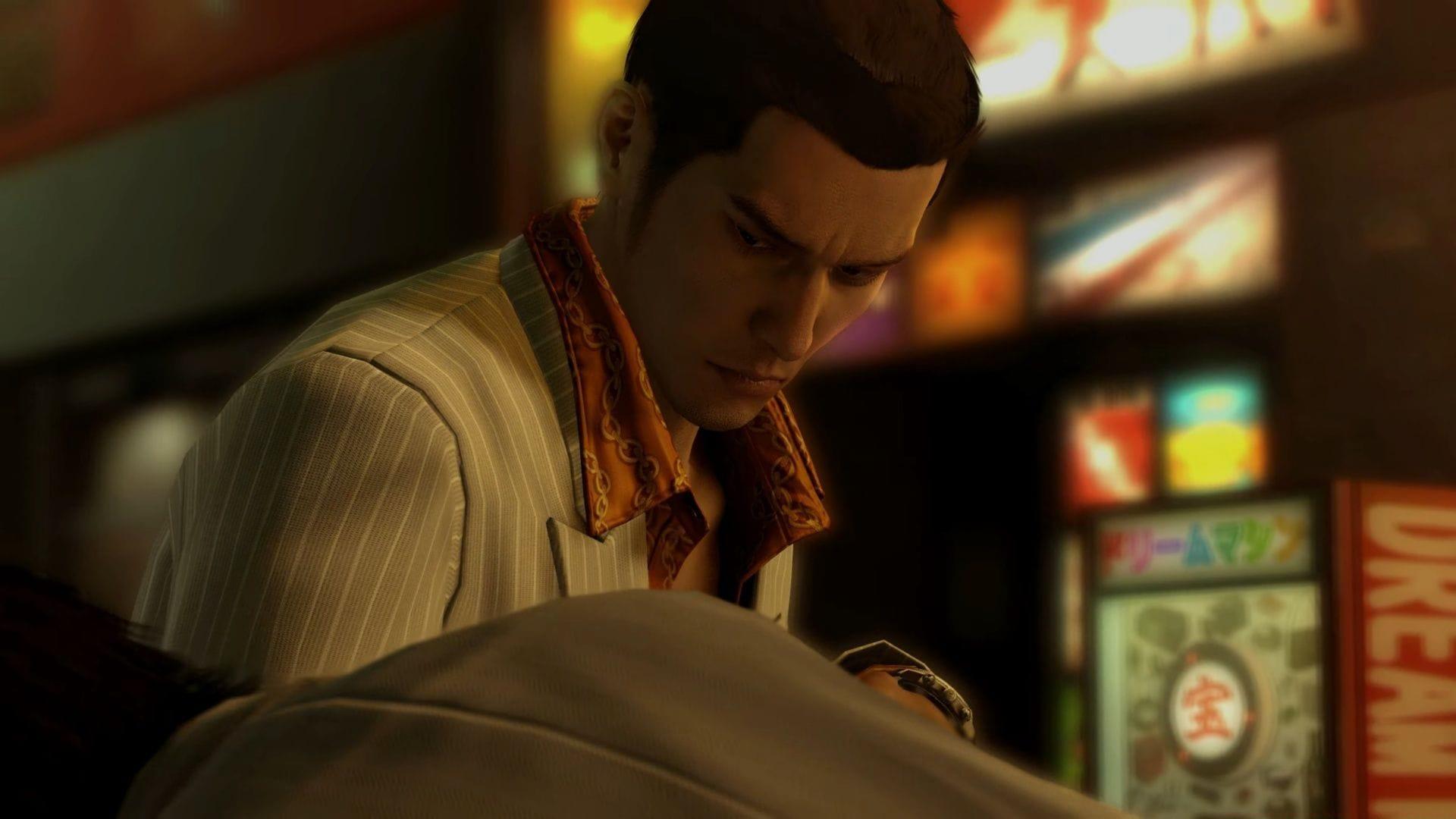
Navigating the extensive Yakuza/Like a Dragon franchise presents newcomers with a delightful challenge: determining the optimal sequence for experiencing this rich crime drama saga. While technically you could dive into any installment randomly, such an approach guarantees narrative confusion and missed character development nuances. The series offers two primary entry pathways, each catering to different player preferences regarding protagonists and storytelling styles.
For those seeking crossword solutions alongside their gaming adventures, explore our regularly updated NYT Mini Crossword Answers, LA Times Crossword Answers, and Atlantic Crossword solutions for additional entertainment options.
Chronological Story Order: The Narrative Purist’s Path
The chronological approach follows the internal timeline of the Yakuza universe, providing the most coherent story experience for newcomers. This method begins with the 1980s-set prequel that establishes franchise foundations.
- Yakuza 0 (or Director’s Cut) – The essential starting point
- Yakuza Kiwami – Enhanced remake of the original
- Yakuza Kiwami 2 – Story continuation
- Yakuza 3 (Kiwami version when available) – Tropical adventure
- Yakuza 4 – Multiple protagonist introduction
- Yakuza 5 – Expanded gameplay scope
- Yakuza 6: The Song of Life – Kiryu’s conclusion
- Like a Dragon Gaiden: The Man Who Erased His Name – Bridge narrative
- Yakuza: Like a Dragon (7) – New protagonist debut
- Like a Dragon: Infinite Wealth (8) – Latest chapter
This sequencing offers significant advantages for character immersion. Players witness Kiryu Kazuma’s complete transformation from ambitious young yakuza to legendary figure, while simultaneously experiencing Goro Majima’s evolution into the franchise’s most popular character according to recent fan surveys. The chronological path functions as a cultural time capsule, reflecting Japan’s societal changes across decades through its storytelling and environment design.
Transitioning to Kasuga Ichiban’s perspective in later installments feels natural within this framework, as you’ve experienced the world he idolizes and the legends he references. This order maintains consistent narrative tension and payoff structures as originally envisioned by the developers.
Retail Release Order: The Traditional Experience
For purists seeking the authentic community experience, retail release order replicates how most long-time fans encountered the series. This path begins with the original PlayStation 2 classic and progresses through each installment as they originally launched.
- Yakuza 1 (or Kiwami 1 for modern gameplay)
- Yakuza 2 (or Kiwami 2)
- Yakuza 3
- Yakuza 4
- Yakuza 5
- Yakuza 0 (prequel context)
- Yakuza 6: The Song of Life
- Like a Dragon Gaiden: The Man Who Erased His Name
- Yakuza: Like a Dragon
- Like a Dragon: Infinite Wealth
The primary advantage of this sequence lies in its revelation structure. Playing Yakuza 0 after experiencing the first five mainline games creates numerous ‘aha moments’ as backstory elements suddenly click into place. You’ll frequently encounter references and callbacks that generate appreciation for the meticulous world-building, understanding character motivations with enhanced depth.
This approach also lets you witness the franchise’s technical evolution firsthand, from modest PS2 beginnings to the Dragon Engine sophistication and eventual transition to turn-based combat. While this order requires some timeline jumping, it delivers satisfying narrative payoffs that chronological sequencing cannot replicate.
Essential Spin-offs and Side Games
Beyond the main storyline, the Yakuza universe contains several noteworthy spin-offs that enhance the overall experience when played at optimal points. These titles expand the franchise’s boundaries while maintaining its distinctive tone and gameplay elements.
The critical exception among supplementary content is Like a Dragon Gaiden: The Man Who Erased His Name, which should absolutely be experienced between Yakuza 6 and Yakuza: Like a Dragon. This bridge game details Kiryu’s activities during the timeline gap, providing essential context for his reappearance and the series’ direction shift.
For PlayStation 3 owners seeking unconventional Yakuza experiences, Yakuza: Dead Souls offers zombie-infested Kamurocho mayhem after completing Yakuza 4. While non-canonical, this title delivers hilarious character interactions and signature minigames within an absurd premise.
The Judgment series (Judgment and Lost Judgment) exists in the same universe but features entirely new characters and standalone mysteries. These can be enjoyed independently at any point, though they contain subtle references better appreciated after main series familiarity. Similarly, Fist of the North Star: Lost Paradise applies Yakuza mechanics to the classic manga with Kiryu’s voice actor portraying the protagonist.
Advanced Play Order Strategies
Beyond the two primary pathways, several specialized approaches cater to specific player preferences and constraints. These advanced strategies optimize for time investment, protagonist affinity, or gameplay style preferences.
Protagonist-Focused Routes: If you connect strongly with either Kiryu or Ichiban, consider dedicating to their respective arcs first. Kiryu’s complete journey spans Yakuza 0-6 plus Gaiden, while Ichiban’s story begins with Yakuza: Like a Dragon and continues through Infinite Wealth. This method prevents narrative whiplash when switching between dramatically different combat systems and character perspectives.
Time-Efficient Path: For players with limited availability, prioritize Yakuza 0, both Kiwami games, and Yakuza: Like a Dragon. This condensed experience delivers the essential narrative foundation and both protagonist introductions in approximately 120-150 hours rather than the 300+ hours required for completionists.
Platform-Based Approach: Since the series spans multiple console generations, consider your available hardware. The entire main series is accessible on PlayStation 4/5 and PC, while Xbox players have most titles through Game Pass. Judgment series remains PlayStation-exclusive, impacting comprehensive universe exploration.
Common mistakes include playing Yakuza 6 before Gaiden (missing crucial context), starting with the turn-based Yakuza: Like a Dragon without understanding the series’ roots, or attempting chronological order while skipping essential side content that develops character relationships.
No reproduction without permission:GameCDjnh » What order to play the Yakuza / Like a Dragon games in Master the Yakuza/Like a Dragon series with optimal play order strategies for maximum story immersion and character development