
A comprehensive guide to Solo Leveling: Arise Overdrive’s new mechanics, combat styles, and player strategies
Introduction & Game Overview
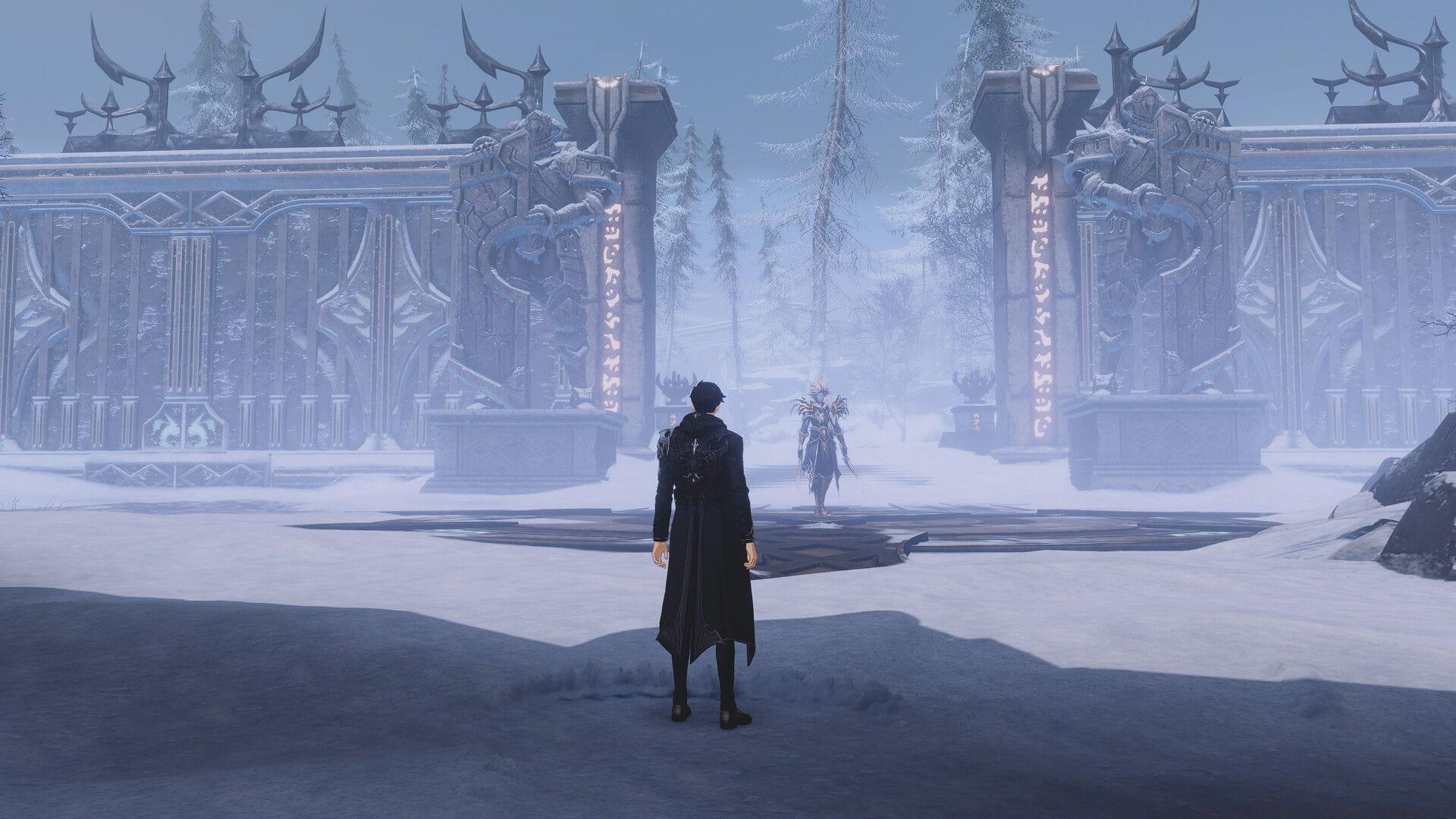
Netmarble’s revelation of Solo Leveling: Arise Overdrive at the Xbox Games Showcase on June 8, 2025, marks a significant departure from the original Arise formula. While maintaining narrative continuity with the beloved Solo Leveling webtoon—following E-rank hunter Sung Jinwoo’s transformative journey—this standalone title fundamentally reworks core gameplay systems. The announcement via the official Solo Leveling: Arise X account confirmed that Overdrive isn’t merely an expansion but a completely redesigned experience built from the ground up with different combat philosophies and progression mechanics.
Understanding Overdrive requires recognizing its dual nature: familiar story elements paired with revolutionary gameplay changes. This strategic shift by Netmarble addresses player feedback about gacha dependency while introducing deeper combat customization. The development team has specifically focused on creating more player agency in character development and reducing reliance on random chance systems, making progression more predictable and skill-based.
Core Gameplay & Combat Revolution
Combat Mechanics Overhaul
The combat system in Overdrive introduces active defense mechanics that fundamentally change engagement strategies. Beyond the Extreme Evasion system carried from Arise, players now have dedicated parry and guard actions that reward precise timing. Successful parries not only negate damage but often create counter-attack opportunities, while guarding reduces incoming damage at the cost of stamina. This tri-layered defense system (evade, parry, guard) allows for diverse playstyles catering to both reactive and proactive players.
Strategic Combat Styles
Before entering any Gate, players must select from four distinct combat styles that dictate their entire approach to battle:
- Assassin (Very Hard): High-risk, high-reward gameplay focusing on back attacks and critical hits
- Elementalist (Hard): Ranged magical attacks with area-of-effect capabilities but limited mobility
- Duelist (Easy): Balanced melee combat with strong defensive capabilities and straightforward mechanics
- Ruler (Easy): Support-oriented style with commanding abilities and party buffs
This choice isn’t merely cosmetic—it determines available weapons, skill trees, stat distributions, and even which artifacts you can effectively utilize. The difficulty ratings provide clear guidance for new players while offering veteran challenges.
Multiplayer Co-op Features
Overdrive’s real-time multiplayer represents a major franchise first, supporting cooperative raids with up to three other hunters. The lobby system allows creation based on specific parameters including target Boss Monster, story Chapter, and minimum player level requirements. This targeted matchmaking ensures players can find groups for specific challenges rather than relying on random matchmaking. Successful coordination between different combat styles becomes essential in higher-difficulty raids, with Assassins focusing on vulnerable points while Rulers provide team sustainability.
Progression Systems Explained
Crafting vs. Gacha
Overdrive eliminates the controversial gacha system entirely, replacing it with a deterministic crafting economy. Weapons for Sung Jinwoo and other characters are acquired through material gathering rather than random pulls. Each stage clear provides specific material rewards, allowing players to target farm components for desired weapons. This system reduces frustration from bad luck while encouraging repeated engagement with content that matches your progression goals.
Hunter Recruitment Mechanics
Instead of summoning banners, hunters join your team through a negotiation system using Commemorative Coins. The process involves:
- Spending Gold or waiting for refresh cycles to meet available hunters
- Adjusting negotiation amounts based on hunter rarity and your current resources
- Managing success probabilities that increase with higher offers
This creates strategic resource allocation decisions—do you spend heavily on a single powerful hunter or distribute resources across multiple recruits? Higher rarity hunters require substantially more investment but offer greater long-term value.
Artifact & Equipment Systems
Artifacts in Overdrive feature completely redesigned names and effects compared to Arise, with each tied to specific combat styles. Equipping artifacts that complement your chosen style provides multiplicative benefits, while mismatched artifacts offer diminished returns. The system encourages specialization rather than generic optimization, with artifact sets designed around specific playstyle fantasies (stealth for Assassins, elemental mastery for Elementalists, etc.).
Advanced Player Strategies
Combat Style Optimization
Choosing your combat style should align with both preferred gameplay and available time investment. Assassin and Elementalist styles offer higher skill ceilings but require perfect execution—ideal for veteran action RPG players. Duelist and Ruler provide more accessible entry points for those learning the new defense mechanics. A common mistake is switching styles too frequently; each style has independent progression, so early commitment yields better results.
Resource Management Tips
Efficient players should:
- Focus Gold expenditure on hunter negotiations rather than weapon materials (which come from stage clears)
- Save Commemorative Coins for limited-time hunter appearances
- Prioritize crafting weapons that complement your main combat style before diversifying
- Complete daily multiplayer raids for bonus materials even if not targeting specific gear
Avoid the temptation to over-invest in negotiation offers—the success rate has diminishing returns above 80%, making extreme offers resource-inefficient.
Common Pitfalls to Avoid
New players frequently misunderstand several systems:
- Combat Style Lock-in: Changing styles resets some progression; choose carefully
- Material Mismanagement: Don’t waste rare materials on secondary style weapons early
- Multiplayer Preparation: Entering co-op raids without appropriate artifacts hurts the entire team
- Negotiation Overcommitment: Spending all coins on one hunter leaves you vulnerable to new releases
Advanced players should master parry timing for their chosen style—each has different parry windows and counter opportunities.
Release Information & Getting Started
Solo Leveling: Arise Overdrive follows a staggered release schedule: Xbox PC and Steam versions arrive in fall 2025, while Xbox Series X/S and Xbox Cloud versions launch in 2026. This phased approach allows PC players early access while console versions receive additional polish. The currently available Steam demo provides limited access to early-game systems, perfect for testing combat style preferences without commitment.
Proactive players should:
- Wishlist on Microsoft Store for update notifications
- Experiment with all combat styles in the demo to identify preferences
- Study the webtoon storyline to maximize narrative appreciation
- Join community discussions to find potential co-op partners pre-release
Early adoption provides advantage in understanding the new systems before competitive elements potentially emerge in future updates. The elimination of gacha mechanics makes this an ideal entry point for players previously hesitant about the franchise’s monetization.
No reproduction without permission:GameCDjnh » What is Solo Leveling: Arise Overdrive? All you need to know A comprehensive guide to Solo Leveling: Arise Overdrive's new mechanics, combat styles, and player strategies