
Bungie addresses plagiarism allegations from artist ANTIREAL regarding Marathon’s visual design elements
The Allegations: Visual Design Similarities
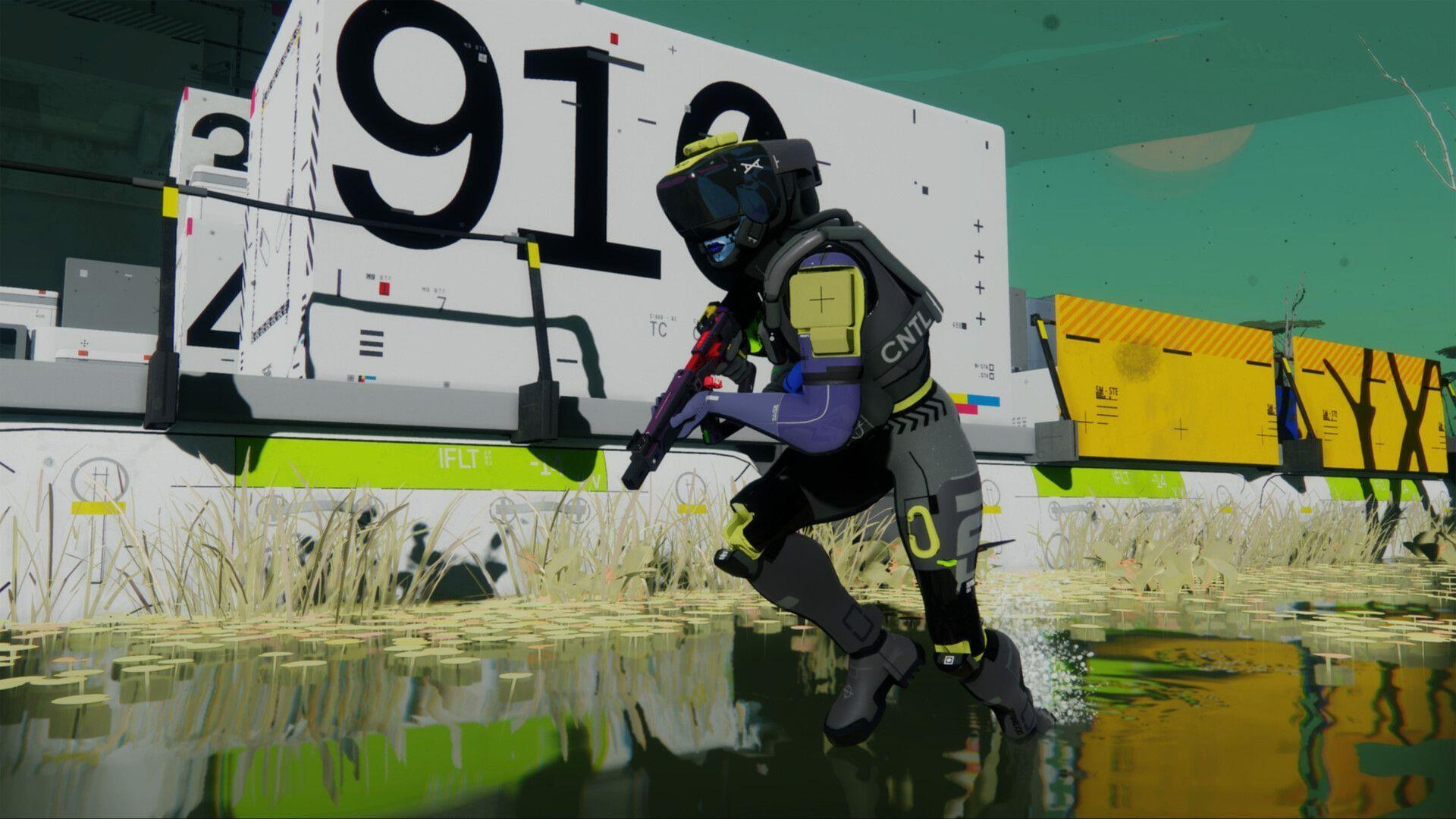
Following Marathon’s inaugural playtest session, the highly anticipated extraction shooter encountered additional controversy beyond mixed player reactions. Visual typography specialist ANTIREAL publicly alleged through her @4nt1r34l X account that Bungie incorporated multiple design components directly lifted from her creative portfolio dating back to 2017. The artist contends that Marathon’s visual language replicates her distinctive artistic approach and specific creative assets with such precision that coincidence appears highly improbable.
Among the most compelling evidence presented was a typographical component featuring the word “ALEPH” integrated into Marathon’s environmental design. ANTIREAL demonstrated that this element mirrored her earlier poster work not just in font selection but also in spatial arrangement and compositional placement, suggesting deliberate replication rather than inspirational reference.
A secondary instance highlighted within the game’s alpha build interface involved a geometric container holding seven symbolic icons within the heads-up display. The configuration of these abstract symbols followed the identical sequential pattern as ANTIREAL’s original creation, raising questions about the development team’s creative review processes.
Further examination revealed additional interface components incorporating two bold directional arrows, rectangular framing elements, and numerical markings matching the artist’s previous work. These visual parallels extended beyond general style into specific design execution, strengthening the plagiarism claims.
Community Response and Backlash
The allegations triggered substantial criticism directed at Bungie across gaming communities and social platforms. ANTIREAL’s initial social media post documenting the similarities achieved remarkable visibility, accumulating more than two million impressions within an eight-hour timeframe and generating extensive discussion about intellectual property rights in game development.
This controversy emerges during a delicate period for Marathon’s development cycle, following a playtest that already generated mixed feedback from participants. The timing compounds challenges for Bungie’s marketing and community management teams, who must now address both gameplay concerns and ethical questions about the game’s visual development process.
Bungie’s Official Response and Actions
Bungie has formally acknowledged the allegations, confirming through official channels that a previous team member incorporated the disputed visual elements without authorization or awareness from current creative leadership. The studio emphasized treating the matter with appropriate seriousness and has initiated direct communication with ANTIREAL to resolve the situation professionally.
The development team is currently conducting comprehensive audits of all artistic assets produced by former team members and implementing enhanced security protocols to prevent similar occurrences. These measures include improved version control systems, stricter asset approval workflows, and expanded documentation requirements for external inspiration sources.
While Bungie works to address these concerns, uncertainty remains regarding potential impacts on Marathon’s scheduled September 23, 2025 launch timeframe. The studio must balance resolution of the plagiarism claims with maintaining development momentum for their ambitious extraction shooter project.
Industry Context and Best Practices
This incident highlights broader industry challenges regarding intellectual property protection and creative inspiration boundaries in game development. Studios increasingly face difficulties distinguishing between legitimate inspiration and copyright infringement, particularly with the proliferation of digital art portfolios accessible online.
Established development studios typically implement robust asset management systems including version tracking, approval chains, and source documentation. These protocols help prevent unauthorized asset incorporation and ensure proper attribution for external inspiration. The gaming industry’s rapid production cycles sometimes create pressure to bypass these safeguards, increasing legal and reputational risks.
For artists and developers, maintaining detailed creation records, registering copyrights for significant works, and establishing clear workplace policies about external inspiration can help prevent similar controversies. Regular team training on intellectual property rights and creative attribution standards provides additional protection against accidental infringement claims.
No reproduction without permission:GameCDjnh » Visual artist says Bungie’s Marathon plagiarizes her original work, developer responds Bungie addresses plagiarism allegations from artist ANTIREAL regarding Marathon's visual design elements