
Comparing Stellar Blade vs Wuchang: Fallen Feathers combat, exploration, and gameplay approaches
Introduction to Both Games
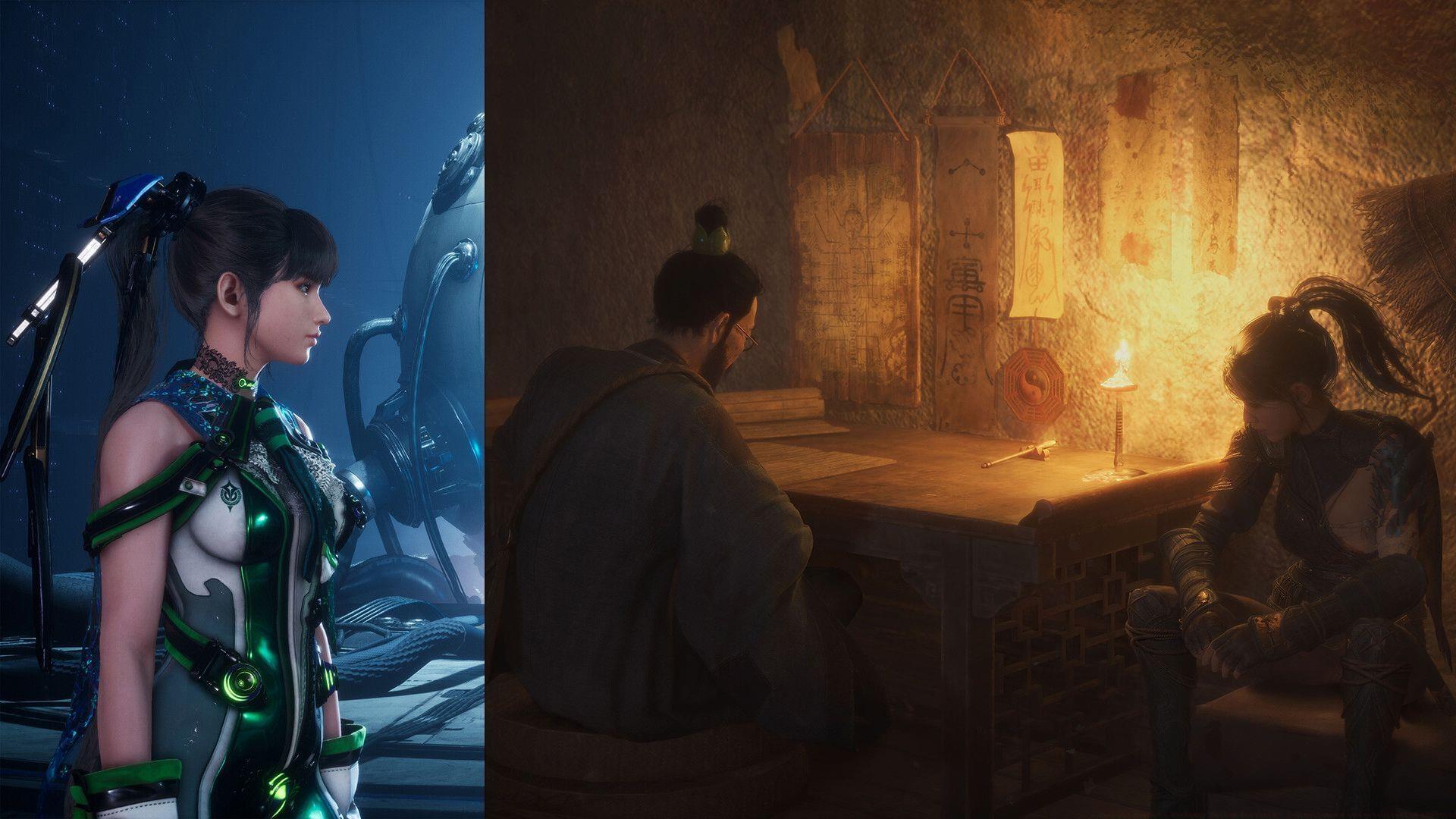
Wuchang: Fallen Feathers debuted on July 23, 2025, immediately drawing comparisons to established action titles, particularly Stellar Blade. While both games share surface-level similarities in their action-oriented gameplay, they embody fundamentally different design philosophies that significantly impact player experience. Understanding these distinctions helps gamers choose which title better aligns with their preferences and playstyle.
Stellar Blade adopts a more mainstream approach to action gaming, prioritizing accessibility and cinematic presentation. Its development philosophy centers on delivering polished, visually spectacular combat sequences that appeal to a broad audience. Meanwhile, Wuchang: Fallen Feathers embraces the challenging design principles of Soulslike games, requiring methodical play and systematic mastery of its mechanics.
Combat Systems Compared
Both games deliver aggressive combat experiences but achieve this through entirely different mechanical implementations. Stellar Blade operates as a fluid hack-and-slash title emphasizing spectacular animations, extensive combo systems, and dramatic finishing moves. Its combat rhythm focuses on graceful attack chaining and stylish enemy elimination, rewarding players who master its timing-based mechanics.
Conversely, Wuchang: Fallen Feathers, as a dedicated Soulslike experience, demands strategic patience and precision execution. Its combat foundation revolves around precise dodging mechanics, parrying systems, and careful resource management. Players must learn enemy attack patterns and manage their stamina effectively to survive encounters.
Pro Tip: Stellar Blade players should practice dodge-counter timing during enemy wind-up animations, while Wuchang veterans should master the parry windows for each enemy type. A common mistake in both games is button mashing – Stellar Blade penalizes this with broken combos, while Wuchang severely punishes it with stamina depletion and vulnerability frames.
World Design and Exploration
Stellar Blade employs a structured world design centered around the primary hub settlement of Xion, which connects various explorable regions including the Wasteland and Great Desert. These zones provide side quests and hidden content but maintain distinct separation rather than seamless integration. The exploration approach involves methodical area clearing and objective completion.
Wuchang: Fallen Feathers features interconnected world architecture reminiscent of classic Soulslike design principles. Its environments connect through elaborate shortcut systems and hidden pathways that gradually open as players progress. Navigation feels more puzzle-oriented, requiring spatial awareness and environmental observation.
Exploration strategies differ significantly between titles. Stellar Blade rewards thorough area scanning and completionist approaches to each zone before progressing. Wuchang encourages backtracking with newly acquired abilities and careful attention to environmental clues that indicate hidden passages. Advanced players should systematically map both games’ areas, noting respawn points and resource locations for efficient farming routes.
Game Difficulty and Progression
Stellar Blade positions itself as a comprehensive action-adventure experience with stronger emphasis on narrative progression and combat spectacle. Its design targets broader accessibility with challenging but manageable difficulty curves that don’t overwhelm casual players. The game introduces mechanics gradually, allowing players to build competency without frustration walls.
Wuchang: Fallen Feathers establishes itself as a traditional Soulslike title with clear inspiration from Bloodborne’s design principles. While less punishing than extreme examples like Sekiro or Elden Ring, it maintains substantial challenge requiring systematic learning of game mechanics. Players must study enemy behaviors and master combat fundamentals to advance.
Boss encounters serve distinct narrative purposes across both games. Stellar Blade integrates boss battles as major story milestones, occurring frequently and driving narrative progression forward. Wuchang: Fallen Feathers treats bosses differently – many are optional or can be encountered later since they don’t necessarily block progression. Wuchang additionally incorporates mini-bosses and elite enemies throughout regular areas, maintaining consistent tension beyond major encounters.
Common Mistake: New Soulslike players often underestimate Wuchang’s normal enemies while over-preparing for bosses. Conversely, Stellar Blade players sometimes neglect side content that provides crucial upgrade materials for later boss fights.
Narrative and Character Design
Both titles showcase compelling female protagonists: Eve in Stellar Blade and Bai Wuchang in Wuchang: Fallen Feathers. Eve’s narrative follows her mission to reclaim Earth for humanity’s survival, while Bai Wuchang battles the corrupting Feathering plague threatening her homeland. Both characters blend strength with vulnerability, conveying their stories through action and environmental storytelling rather than extensive dialogue.
Stellar Blade and Wuchang maintain single-player focused design without cooperative, competitive, or online elements. This intentional design choice enhances immersion and emphasizes narrative and gameplay without multiplayer distractions. The solo experience allows both games to craft carefully balanced challenges and pacing.
Player choices significantly impact both games’ conclusions through multiple ending systems. Stellar Blade’s endings depend on interactions with companion character Lily and decision-making throughout the campaign. Wuchang’s conclusions unlock through hidden narrative paths accessed by collecting lore artifacts including journal fragments and chisel pieces. Completionists should note that Wuchang requires more thorough exploration for ending variations, while Stellar Blade’s endings respond more to key story decisions.
Visual Presentation and Atmosphere
Both games deliver exceptional visual quality through distinct artistic directions. Stellar Blade emphasizes polished sci-fi aesthetics with advanced lighting systems, highly detailed character models, and fluid animations that complement its thematic elements. Its visual design creates a cohesive futuristic atmosphere that enhances the narrative setting.
Wuchang: Fallen Feathers focuses on haunting environmental design and folkloric visual inspiration depicting decay and corruption. Its art direction establishes oppressive atmospheres through environmental storytelling and disturbing imagery that reinforces its horror elements.
While their artistic styles diverge significantly, both titles utilize visual design as fundamental components of player immersion and game identity. Stellar Blade’s clean, technological visuals contrast sharply with Wuchang’s organic, decaying environments, yet both effectively establish strong atmospheric presence. Advanced players should pay attention to environmental clues in both games – Stellar Blade uses visual cues for hidden collectibles, while Wuchang’s environment often telegraphs enemy placements and trap locations.
Also read: How to use spells in Wuchang: Fallen Feathers
No reproduction without permission:GameCDjnh » Stellar Blade vs Wuchang: Fallen Feathers – 5 differences and similarities explored Comparing Stellar Blade vs Wuchang: Fallen Feathers combat, exploration, and gameplay approaches