
Master Overwatch 2’s Stadium mode with power-up strategies, cash management tips, and hero optimization techniques
Understanding Stadium Mode Fundamentals
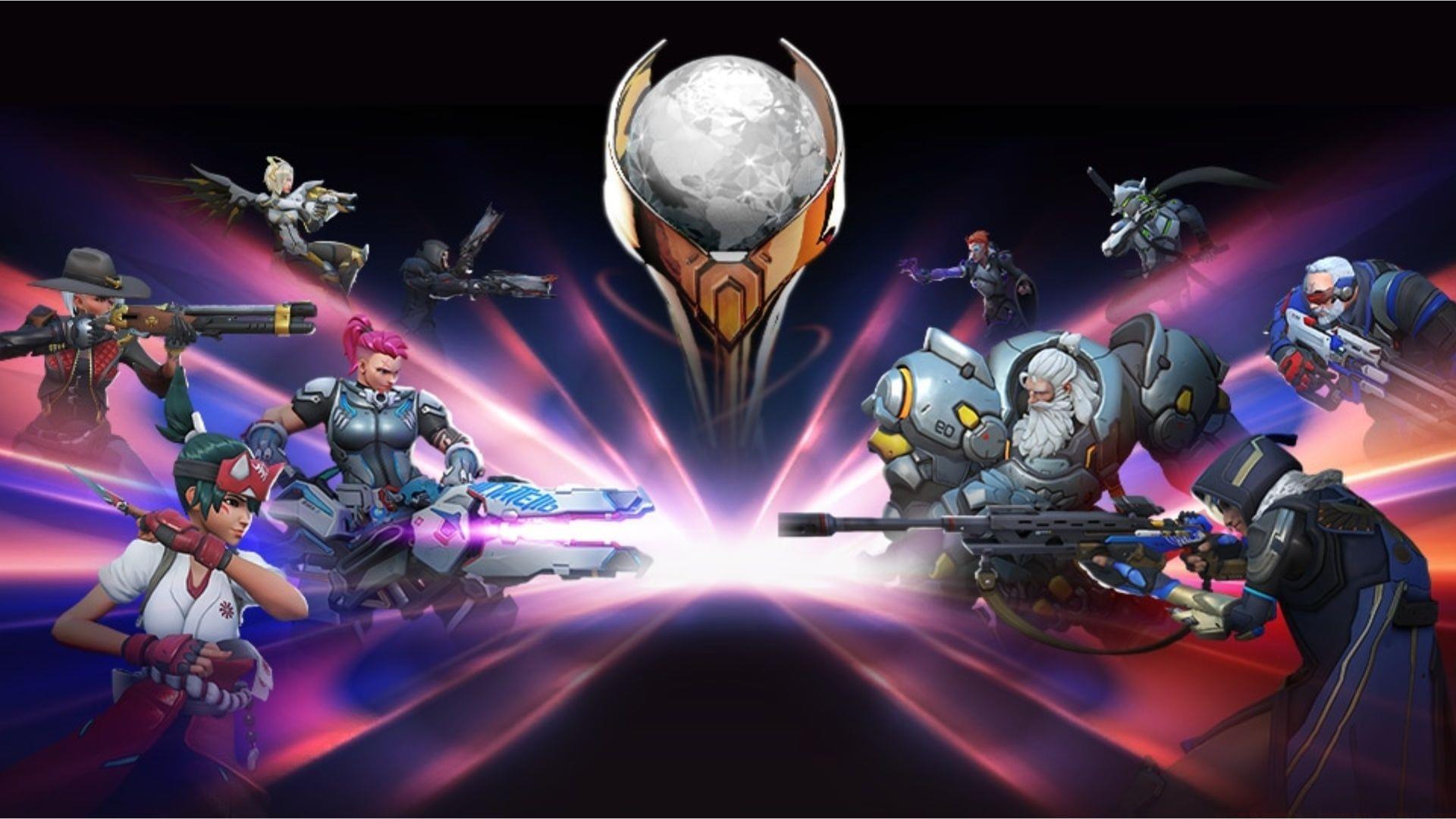
Stadium in Overwatch 2 represents a revolutionary game mode arriving with Season 16 on April 22, 2025, featuring a best-of-seven competitive format where two five-player teams clash in dynamic arena battles. This innovative mode transforms traditional Overwatch 2 gameplay through progressive hero enhancement systems that evolve throughout each match. The initial roster includes 17 carefully selected heroes across all roles, with Blizzard planning seasonal expansions to the available character pool.
Looking for Crossword hints & solutions? Check out latest NYT Mini Crossword Answers, LA Times Crossword Answers, and Atlantic Crossword Answers
Between rounds, competitors gain access to game-changing modifiers that fundamentally reshape their chosen hero’s capabilities and strategic role. These enhancements come in two distinct forms: permanent Powers and purchasable Items, creating layered progression systems that reward foresight and adaptability.
The in-game economy centers around Stadium Cash, earned through participation across three distinct match types: Payload, Hybrid, and Flashpoint. A separate ranked ladder specifically for Stadium ensures competitive integrity while allowing players to master this unique gameplay experience. The default third-person camera perspective offers enhanced situational awareness, crucial for tracking the visual effects of numerous active abilities and items during intense team fights.
Powers System Deep Dive
Powers constitute transformative modifications that grant heroes unique passive traits, altered abilities, or completely new skills within Stadium matches. Each available character receives 12 distinct Power options, with selection opportunities occurring before rounds 1, 3, 5, and 7. This progression system ensures that extended matches reaching the final round provide competitors with four permanent enhancements.
Critical strategic consideration: Powers require no Stadium Cash investment but become permanently locked once selected. This irreversible decision-making demands careful long-term planning and team coordination. Optimal Power selection involves anticipating later round requirements while creating synergistic combinations that amplify your hero’s strengths or mitigate inherent weaknesses.
Advanced players should prioritize Powers that complement their team composition while countering expected enemy strategies. For example, selecting crowd control resistance Powers early can neutralize opponent initiation strategies, while damage amplification Powers gain value in later rounds when elimination efficiency becomes crucial. Understanding power spike timing—when certain Powers provide maximum impact—separates average players from Stadium masters.
Common mistake: Random Power selection without considering late-game implications. Solution: Plan your full seven-round Power path during hero selection, identifying which enhancements provide the most value at each stage based on expected enemy team composition and map objectives.
Items and Stadium Cash Economy
Items function as supplemental modifiers acquired through Stadium Cash expenditure, categorized into Common, Rare, and Epic rarities based on their impact and cost. While many items provide universal benefits, certain specialized items remain exclusive to specific heroes, enabling highly customized builds. The six-item slot limitation necessitates strategic prioritization based on your hero’s role and current match situation.
The item selling mechanic allows players to reclaim full purchase value, enabling dynamic adaptation to shifting match conditions. This system rewards players who accurately predict item relevance throughout match progression. Three primary item categories serve distinct strategic purposes:
Weapon Items dramatically enhance basic attack capabilities, providing maximum value for damage-focused heroes like Cassidy and Reaper who rely heavily on weapon effectiveness.
Ability Items optimize cooldown-based gameplay, offering exceptional value for heroes like Mei, Ana, and Junker Queen whose impact derives from strategic ability usage.
Survival Items bolster defensive capabilities and sustainability, particularly benefiting support heroes such as Mercy, Kiriko, and Juno who require durability to maintain team support functions.
Economy management begins with a 3,500 Stadium Cash starting balance, supplemented by round completion rewards regardless of victory or defeat. Performance bonuses for high damage, healing, assists, and eliminations accelerate cash accumulation. The round MVP receives an additional 1,000 bonus, making individual performance directly tied to economic advantage.
The bounty system introduces strategic elimination priorities: all heroes begin with a 300 bounty value, increasing by 75 per elimination. High-impact players quickly accumulate substantial bounties, with targets exceeding 750 highlighted on the team interface. The maximum 2,000 bounty represents prime elimination opportunities for cash-starved opponents.
Advanced strategy: Intentionally farming bounties from highlighted opponents can rapidly accelerate your item progression, but requires careful risk assessment as these players typically demonstrate superior match impact.
Advanced Gameplay Strategies
Mastering Stadium requires adapting to several unique mechanical and strategic considerations beyond traditional Overwatch 2 gameplay. The default third-person perspective provides enhanced environmental awareness but may disorient players accustomed to first-person combat. Fortunately, the settings menu includes options to revert to traditional perspective or customize third-person parameters to personal preference.
Strategic intelligence gathering becomes crucial in Stadium mode. Between rounds, teams can inspect opponent Power and Item selections, enabling counter-strategy development. This reconnaissance capability allows players to anticipate enemy tactics and adjust their own loadouts accordingly.
Team coordination reaches new importance in Stadium mode. Powers and Items create unpredictable ability interactions that require clear communication and adaptive play. Establish shot-calling protocols for highlighting high-bounty targets, coordinating Power activation timing, and managing economic decisions as a team.
Common advanced mistake: Failing to adapt strategy based on enemy loadout visibility. Solution: Designate one player as ‘intelligence officer’ responsible for tracking opponent enhancements and suggesting counterplays between rounds.
Optimization tip: Use the third-person perspective to your advantage by positioning near cover while maintaining visibility on team fights, allowing better assessment of when to engage or use Powers and Items.
Optimal Hero Selections
Stadium launches alongside Season 16 on April 22, 2025, introducing a new hero, additional perks, and various system enhancements. The initial 17-hero roster includes 5 Tanks, 6 Damage, and 6 Support characters, with expansions planned for subsequent seasons. While all heroes gain viability through strategic Power and Item combinations, certain characters demonstrate exceptional synergy with the Stadium enhancement systems.
The transformative nature of Powers and Items enables heroes to overcome traditional weaknesses, creating unprecedented build diversity. For example, traditionally fragile damage dealers can acquire survival Powers that dramatically improve sustainability, while tank heroes might select mobility Items to address positional limitations.
Top tier selections typically feature heroes with flexible kits that benefit from multiple enhancement types. Versatile damage heroes like Soldier: 76 excel with both Weapon and Ability items, while support hybrids like Zenyatta can transition between healing focus and damage amplification through strategic Power selection. Tank heroes with crowd control abilities gain tremendous value from Powers that enhance their disruptive potential.
Build customization should align with both team composition and expected opponent strategies. Aggressive compositions benefit from early damage Powers and Items, while sustained engagements favor survival enhancements and economic items that provide long-term value. The most successful players maintain flexibility, adapting their enhancement path based on match progression rather than rigid pre-game planning.
For continued Overwatch 2 coverage and updates:
No reproduction without permission:GameCDjnh » Stadium in Overwatch 2: Release date, and what to expect Master Overwatch 2's Stadium mode with power-up strategies, cash management tips, and hero optimization techniques