
TL;DR
- Haru requires strategic skill point allocation with only 13 additional points at level 60 advancement
- Master three core combo types: SA break, DPS optimization, and SG regeneration sequences
- Skill resets at advancement significantly impact your available skill point distribution
- Proper combo execution timing can increase your damage output by 30-40% in endgame content
- Advanced players should prioritize skill upgrades that enhance animation canceling and mobility
Welcome to the comprehensive conclusion of our Soul Worker Haru Guide series, where we dive deep into optimized skill builds and advanced combat techniques. As your dedicated gaming strategists, we emphasize that these recommendations represent proven methodologies rather than absolute requirements. Successful Haru players understand that character development should align with individual playstyle preferences while maintaining combat effectiveness.
The following builds utilize the official Soul Worker skill simulator, providing you with tested frameworks that balance damage output, survivability, and resource management. Remember that flexibility remains crucial—what works in raid scenarios may differ from dungeon clearing approaches.
Understanding skill point distribution across different level milestones:
– Level 55 Standard Build: 140 skill points available for comprehensive skill coverage
– Level 60 Advanced Build: 153 skill points requiring strategic reallocation
– Level 55 No-Reset Build: 123 skill points when preserving advancement choices
The transition to level 60 introduces a critical resource management challenge. While you gain access to powerful new abilities through advancement, the mere 13 additional skill points create significant allocation constraints. This scarcity forces players to make calculated sacrifices in earlier skill investments to accommodate essential high-level techniques. Many veterans recommend planning your skill tree progression from early levels to minimize costly resets later.
Pro Tip: Always keep 1-2 skill reset tickets available for emergency adjustments when encountering unexpected boss mechanics or party composition requirements.
Mastering these combat sequences will dramatically improve your performance:
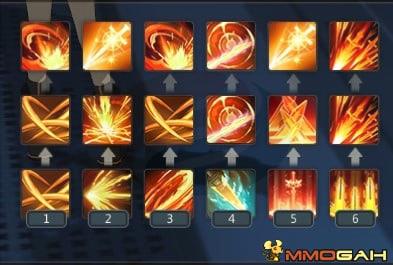
– Super Armor Break Combo: Storm Strider → Ground Pound → Bolt Waltz (ideal for staggering boss enemies)
– Maximum DPS Rotation: Whirl Blade → First Blade → Armour Smash (optimizes damage per second)
– SG Regeneration Chain: Blow Up → Wind Rupture (maintains resource sustainability)
Execution timing proves crucial for combo effectiveness. The SA break sequence should initiate when enemy super armor indicators appear, typically during specific attack animations. Meanwhile, the DPS rotation works best during damage vulnerability windows, while the SG regeneration chain helps recover resources during tactical repositioning phases.
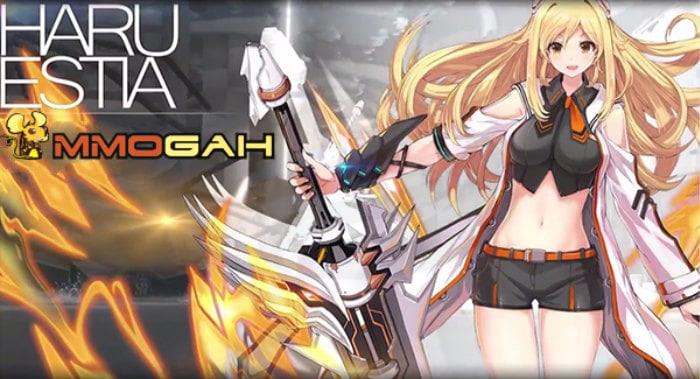
Beyond basic combos, advanced Haru gameplay involves sophisticated techniques that separate elite players from average performers. Animation canceling represents one of the most impactful skills—learning to interrupt recovery frames with dashes or specific skills can increase your effective DPS by 25-35% in optimized scenarios.
Common Mistakes to Avoid:
– Overinvesting in flashy ultimate skills while neglecting core rotational abilities
– Using SG regeneration combos during damage phases instead of repositioning moments
– Failing to adapt skill builds for specific content types (raids vs. dungeons vs. PvP)
Positioning remains paramount for Haru success. Unlike ranged characters, Haru requires close-quarters engagement, making mobility and evasion critical survival tools. Consider investing in movement-enhancing skills early, as they provide both offensive and defensive value throughout your progression.
For players transitioning to other gaming experiences, our Complete Guide to Battlefield 6 offers similar strategic depth in a different genre. The principles of resource management and ability sequencing translate well across gaming domains.
Action Checklist
- Analyze your current playstyle and identify whether you prefer burst damage, sustained DPS, or utility-focused approaches
- Practice the three core combos in training areas until execution becomes muscle memory
- Plan your skill point allocation from level 55 to 60 to minimize reset costs
- Master animation canceling techniques by combining skills with dash movements
- Adapt your build for specific content types by creating saved loadouts for raids, dungeons, and PvP
No reproduction without permission:GameCDjnh » Soul Worker Haru Guide: Part 3-Sample Skill Builds and Haru Tips Master Soul Worker Haru with optimized skill builds, combat combos, and advanced gameplay strategies for maximum performance