
Complete guide to Apex Legends Season 26: New features, strategies, and competitive insights for veteran players
Season 26 Overview and Release Timeline
Apex Legends Season 26 launches imminently, bringing substantial gameplay evolution that has veteran competitors eagerly anticipating the meta shifts. The recently unveiled gameplay trailer showcases transformative features that will redefine combat dynamics across all skill levels.
Given the extensive scope of modifications and fresh content inclusions, players should prepare for a substantial download package likely exceeding previous seasonal updates in data volume. Storage management and pre-load planning become crucial for day-one access.
Global deployment follows Respawn’s standardized rollout pattern, with regional availability staggered across time zones. North American servers typically receive updates first, followed by European and Asian regions within subsequent hours. Monitor official channels for precise activation timings in your locale.
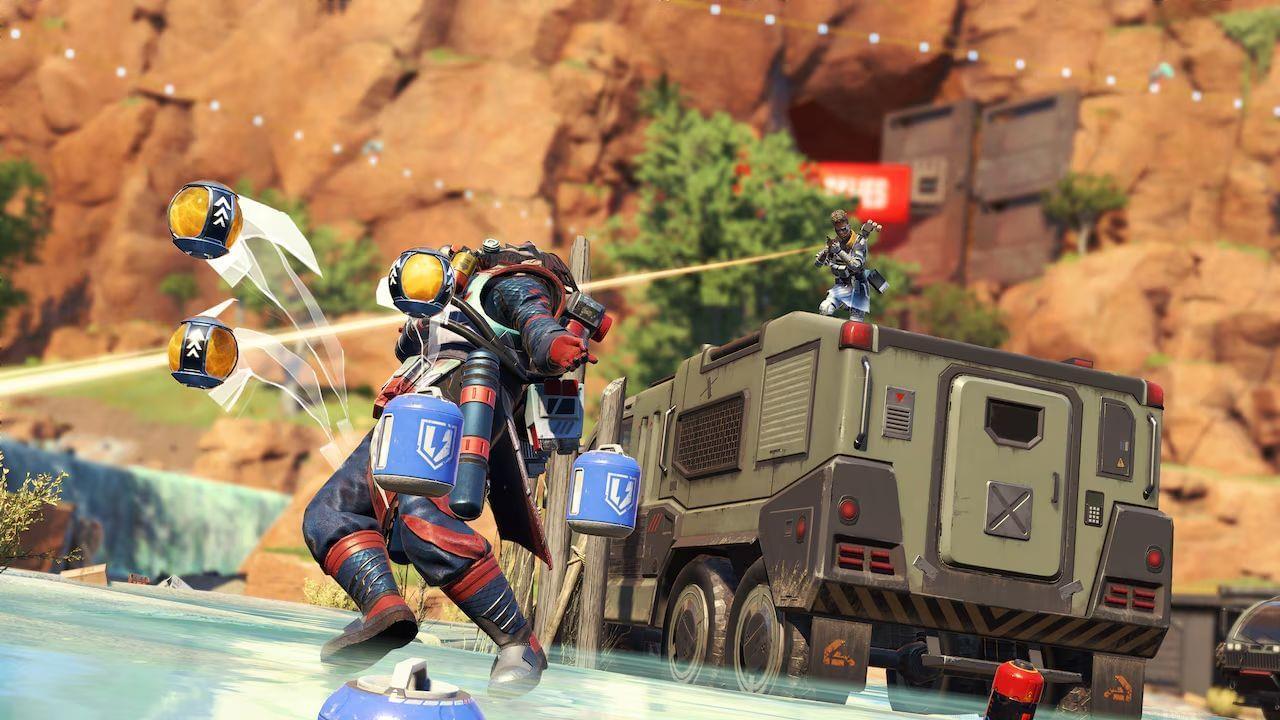
Essential reading: What can we expect from Apex Legends Season 26?
Major Legend Reworks: Bangalore and Caustic
For those who missed the detailed gameplay reveal, Bangalore receives comprehensive tactical adjustments focused on enhancing her offensive flexibility. Early testing indicates her smoke launcher now incorporates digital threat functionality for squadmates, creating synergistic potential with aggressive compositions.
Caustic’s overhaul addresses his area denial capabilities with redesigned gas trap mechanics that provide more dynamic zoning options. The revised Nox Gas now features escalating damage profiles that reward strategic trap placement rather than spam deployment.
Common mistake to avoid: Don’t assume previous Legend mastery translates directly to reworked versions. Spend time in firing range understanding ability interactions before jumping into ranked matches. Advanced players should focus on how these changes affect rotation timing and end-game positioning strategies.
Elite Weapons System Breakdown
The innovative Elite Weapons framework introduces curated weapon rotations with enhanced attachments and unique traits that will fundamentally alter loadout decision-making. This system encourages strategic flexibility over static meta weapon preferences.
Optimization tip for advanced players: Master at least three weapon categories to adapt to weekly Elite rotations. The system penalizes one-dimensional weapon specialists while rewarding versatile marksmen. Consider pairing close-range Elite weapons with mid-range staples to cover engagement gaps.
Early gameplay analysis suggests Elite Weapons will create distinct phases within matches where possession becomes crucial for late-game viability. Teams should develop specific strategies for securing and maintaining these empowered firearms throughout match progression.
Wildcard Game Mode Deep Dive
Wildcard emerges as a permanent addition featuring condensed 30-player lobbies that accelerate match pacing significantly. The mode’s signature mechanics include respawn opportunities and the groundbreaking ability to triple-stack identical Legends, enabling unprecedented team composition strategies.
Strategic consideration: Triple-stacking defensive Legends creates nearly impregnable positions, while triple offensive Legends can overwhelm through sheer firepower. However, balanced compositions often outperform extreme approaches. The second chance mechanic rewards aggressive positioning early in matches.
Common pitfall: Don’t treat Wildcard like standard battle royale. The reduced player count and respawn system encourage different rotation patterns and engagement timing. Successful teams adapt their pace to the mode’s unique rhythm rather than forcing standard strategies.
Ranked Overhaul and Competitive Changes
Ranked gameplay undergoes its most significant restructuring since the system’s inception, beginning with the introduction of POI Draft mechanics that add strategic depth to initial landing decisions. This system allows teams to ban contested drop locations while securing preferred starting areas.
The controversial removal of jumpmaster functionality transitions deployment responsibility to individual players, requiring enhanced spatial awareness and coordination during initial descent. This change emphasizes team communication over centralized navigation control.
Advanced strategy: Develop multiple landing contingencies for when your preferred POIs get banned in draft phase. Teams should practice decentralized landing patterns to maintain cohesion without jumpmaster guidance. These changes reward flexible early-game strategies over rigid drop routines.
That completes your comprehensive guide to Apex Legends Season 26’s transformative features. For continuing coverage and expert gameplay analysis, bookmark Sportskeeda’s esports section for daily updates.
No reproduction without permission:GameCDjnh » Apex Legends Season 26 start date and time for all regions Complete guide to Apex Legends Season 26: New features, strategies, and competitive insights for veteran players