
Master ghost communication in Phasmophobia with 50 essential questions and expert investigation strategies
Mastering Ghost Communication in Phasmophobia
Phasmophobia revolutionizes paranormal investigation by incorporating sophisticated voice recognition technology that enables direct ghost communication through Ouija Boards and Spirit Box EVP sessions. The game’s audio processing system can interpret over 140 distinct question variations, though many represent subtle rephrasings of core inquiries that serve similar investigative purposes.
For investigators new to Kinetic Games’ cooperative psychological horror experience, determining which queries yield the most valuable paranormal data can be challenging. This comprehensive guide delivers 50 carefully selected questions organized by strategic categories, supplemented with professional investigation techniques that transform novice ghost hunters into seasoned paranormal professionals.
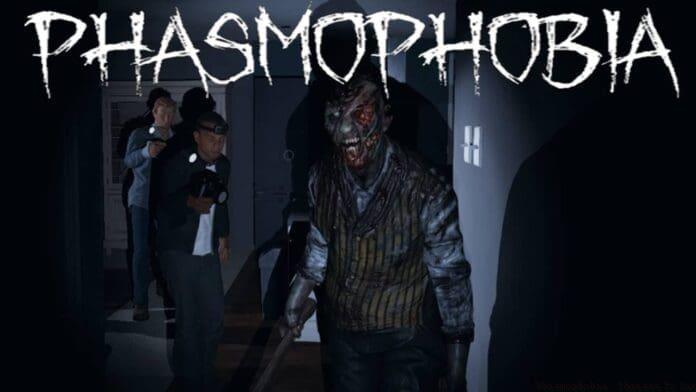
Strategic Question Categories for Ghost Hunting
Identity and Demographic Inquiries
Establishing the ghost’s identity forms the foundation of any professional investigation. These questions help build a profile while potentially triggering specific ghost behaviors that reveal additional evidence:
- Are you male or female?
- Can you give me your name?
- Who are we talking to?
- How old are you?
- When were you born?
Location and Presence Verification
Confirming and tracking spectral presence is critical for both safety and evidence collection. These location-based queries help pinpoint activity zones:
- What is your location?
- Is there a ghost here?
- Is there a spirit here?
- Let us know you are here.
- Are you close to us?
Intent and Behavioral Assessment
Understanding ghost motivations helps predict behavior patterns and assess threat levels. These questions gauge hostility and intentions:
- Do you want to hurt us?
- Do you want us to leave?
- Are you angry?
- Why are you here?
- What do you want?
Advanced Interaction and Manifestation
These questions encourage physical interaction and manifestation, providing visual evidence and triggering paranormal events:
- Can you show yourself?
- Can you open this door?
- Can you turn on the light?
- Can you make a noise?
- Can you throw something?
Expert Investigation Strategies and Common Pitfalls
Voice Recognition Optimization
Phasmophobia’s voice recognition operates best with clear, deliberate speech in moderate ambient conditions. Position your microphone close to your mouth and speak at consistent volume levels—whispering can be as effective as normal speech volume. Avoid background noise interference by muting team communications during critical questioning sessions.
Equipment Synergy and Usage
Combine Spirit Box questioning with other investigative tools for corroborating evidence. Use EMF readers during questioning to detect activity spikes, and deploy video cameras to capture visual manifestations that may accompany vocal responses. Temperature drops often correlate with successful ghost interactions, making thermometers valuable validation tools.
Team Coordination Protocols
Establish clear team roles before engaging in ghost communication. Designate primary questioners, equipment monitors, and safety observers. The questioner should maintain consistent positioning while other team members track environmental changes and ghost activity indicators from strategic vantage points.
Common Investigation Mistakes
Many novice investigators fail to account for ghost personality types that respond differently to various questioning approaches. Aggressive ghosts may require more direct questioning, while shy entities might need gentle prompting. Avoid repetitive questioning in rapid succession—ghosts often need processing time between interactions.
Also Read | Phasmophobia Beta Patch Notes For 18th December
Advanced Ghost Hunting Techniques
Evidence Collection Optimization
Advanced investigators correlate question responses with specific evidence types. Ghosts confirming their presence often trigger EMF level 5 readings, while location questions may produce freezing temperatures. Document response patterns to identify ghost types more efficiently—some entities respond preferentially to certain question categories.
Ghost Type Identification Through Questioning
Different ghost types exhibit distinct response patterns. Demons typically respond more frequently to aggressive questions, while Shades may only answer when investigators are alone. Mares often react to light-related queries, and Poltergeists frequently respond to questions about interaction with objects.
Risk Management and Safety Protocols
Monitor sanity levels closely during extended questioning sessions, as some ghost types become increasingly hostile during prolonged interaction. Establish escape routes before initiating communication, and have crucifields ready for aggressive entity types. Team members should periodically rotate questioning duties to distribute sanity drain effects.
No reproduction without permission:GameCDjnh » Phasmophobia: Phrases To Say Master ghost communication in Phasmophobia with 50 essential questions and expert investigation strategies