
Overwatch 2 7v7 mode analysis: strategic implications, hero balancing challenges, and competitive impact
Introduction to the 7v7 Leak
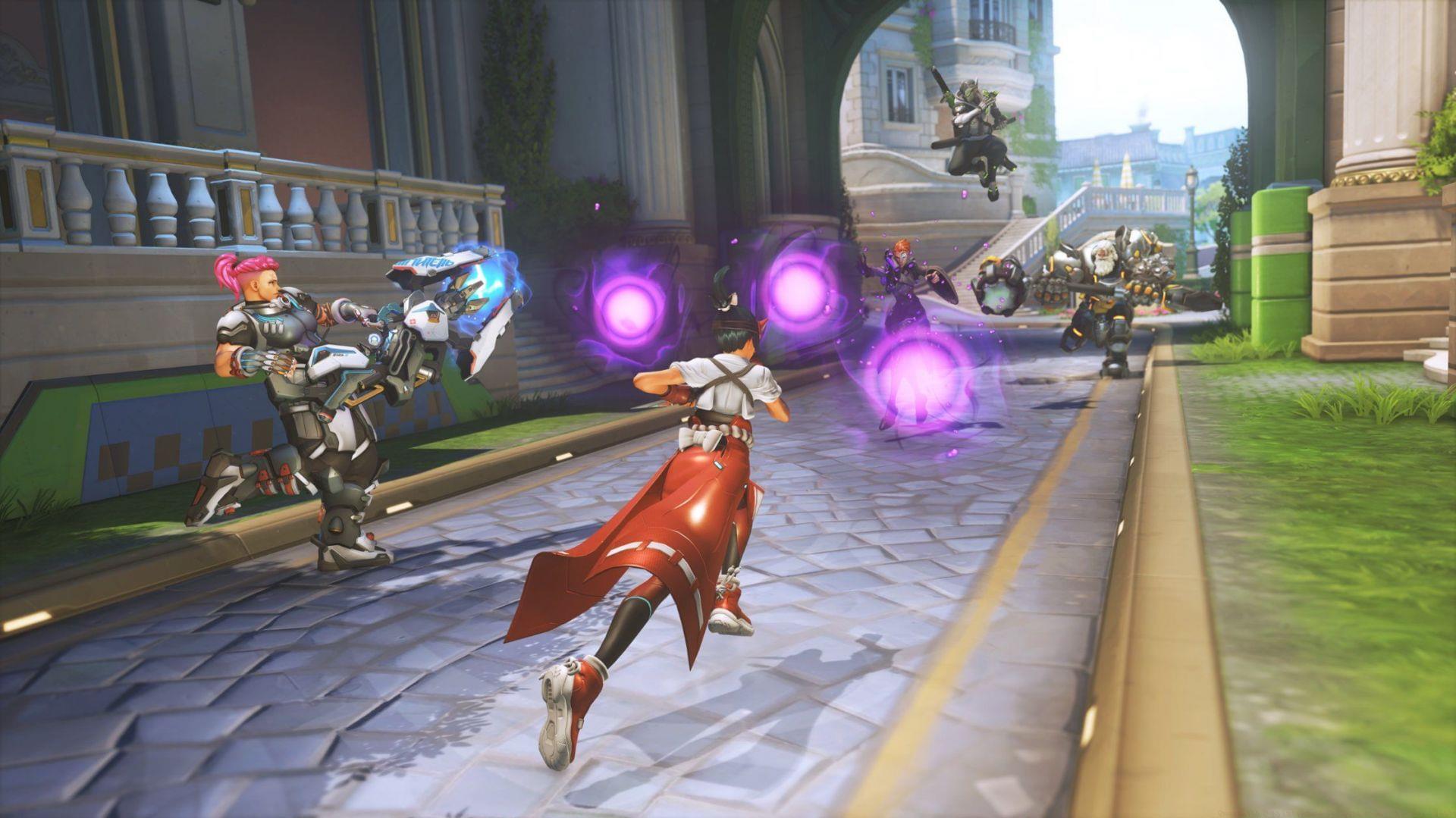
Recent investigative findings from reputable gaming insider @spottier_f4k3 on platform X have uncovered compelling evidence that Overwatch 2 developers are actively developing a 7v7 gameplay format. The intelligence originates from comprehensive data mining of recent game client updates, revealing systematic backend preparations for accommodating seven-player teams.
Development artifacts suggest this expanded team configuration has undergone internal testing phases, with infrastructure supporting the additional player slot appearing in multiple sequential patches. The leaked code references include matchmaking parameters adjusted for 14 total participants and UI elements redesigned to accommodate expanded team displays.
Strategic Implications of 7v7 Format
The transition from Overwatch’s established 6v6 foundation to a 7v7 structure introduces profound strategic ramifications. Team composition flexibility becomes significantly enhanced, allowing for hybrid setups that bridge traditional role boundaries. Players could experiment with triple Damage/Support combinations while maintaining two Tank heroes, or explore asymmetrical distributions that challenge conventional meta understandings.
Map design considerations become paramount in 7v7 configurations. Existing Overwatch 2 arenas designed for 12-player engagements may require substantial reworks to accommodate the additional combatants. Choke points that functioned effectively in 6v6 could become overwhelming bottlenecks, while open areas might feel excessively crowded with the increased player density.
Ultimate ability economy undergoes complete recalibration with seven players per team. The timing and coordination of ultimate combinations become more complex yet potentially more rewarding. Teams could chain three ultimates simultaneously while still maintaining defensive capabilities, creating spectacular teamfight moments previously impossible in standard matches.
Hero Balancing Challenges
Hero selection and counter-pick dynamics transform dramatically in the 7v7 environment. The expanded roster enables more specialized hero choices while demanding broader team coordination. Support heroes with area-of-effect abilities like Lucio and Baptiste gain increased value, while single-target specialists may require compensatory pairing with additional supports.
Role distribution presents one of the most significant balancing hurdles. Should the game enforce specific role ratios (2-2-2 becomes 2-2-3 or 3-2-2) or allow complete compositional freedom? Each approach carries distinct balancing implications and community acceptance challenges that developers must carefully navigate.
Tank synergies become particularly intricate with potential dual-tank combinations. The Reinhardt-Zarya classic pairing could return alongside an off-tank, or teams might experiment with mobile tank trios featuring Winston, D.Va, and Wrecking Ball for unprecedented dive coordination.
Community Reception and Expectations
The Overwatch community has expressed both excitement and apprehension regarding the 7v7 concept. Competitive players highlight the potential for deeper strategic complexity and team coordination requirements, while casual gamers voice concerns about matchmaking times and potential balance instability during the experimental phase.
Professional commentators speculate that 7v7 could revitalize the Overwatch League viewing experience with more dynamic teamfights and elaborate set plays. However, they also caution that the mode might initially suffer from chaotic gameplay until established strategies and meta compositions emerge through extensive testing.
Content creators anticipate substantial opportunities for innovative gameplay videos and educational content exploring the nuances of 7v7 tactics. The expanded format naturally creates more highlight-reel moments and unique team compositions that could attract renewed audience engagement.
Future Development Possibilities
Based on the development patterns observed in previous experimental modes, 7v7 will likely debut as a limited-time arcade mode for initial player feedback collection. Successful reception could lead to permanent arcade inclusion or even competitive season integration following extensive balancing iterations.
Potential variations beyond standard 7v7 include role-specific formats (such as 3 Tank restrictions) or hybrid modes combining 7v7 with other rule modifications. The expanded player count also opens possibilities for new game types specifically designed around larger team sizes that wouldn’t function effectively in traditional 6v6.
Long-term integration into Overwatch 2’s core offerings would represent one of the most significant gameplay evolutions since the transition from 6v6 to 5v5 in the sequel’s launch. This development demonstrates Blizzard’s continued commitment to innovation within the hero shooter genre.
For comprehensive Overwatch 2 strategy content and additional gameplay insights, explore these related resources:
- OW2 Stadium: Best Freja build
- OW2 Stadium: Best Genji build
- Mercy Mythic weapon skin in OW2: All variants, how to unlock, and price
- How to unlock Soldier: 76 Pride skin for free in OW2
No reproduction without permission:GameCDjnh » Overwatch 2 to introduce 7v7 game mode, as per leaks Overwatch 2 7v7 mode analysis: strategic implications, hero balancing challenges, and competitive impact