
Expert strategies to identify, troubleshoot, and resolve Overwatch 2 server connection issues effectively
Understanding Overwatch 2 Server Infrastructure
Overwatch 2 Server Architecture: As a globally distributed online multiplayer experience, Overwatch 2 operates on Blizzard’s sophisticated server infrastructure that spans multiple continents and regions. While the system is engineered for maximum uptime, periodic server disruptions can occur due to various technical factors beyond simple player volume.
Server strain frequently peaks during major content updates, seasonal events, and new hero releases when thousands of players simultaneously attempt to access fresh content. This traffic surge often exceeds temporary capacity thresholds, creating authentication queues and matchmaking delays. Understanding these patterns helps players anticipate potential connectivity challenges.
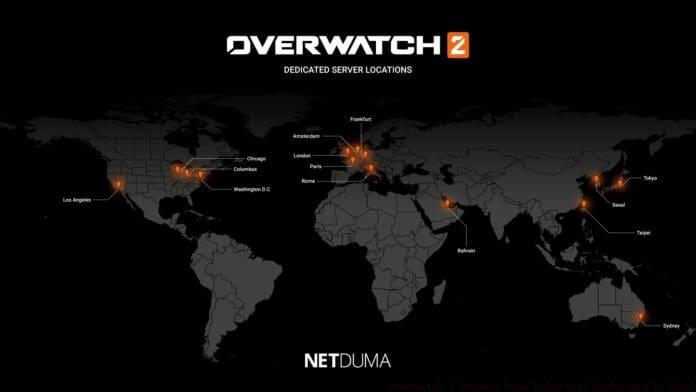
Regional server distribution plays a crucial role in connection stability. Overwatch 2 utilizes geographically positioned data centers across Americas, Europe, and Asia, with each region experiencing different outage patterns and maintenance schedules. Players connecting during their region’s peak hours (typically evenings and weekends) may encounter more frequent service interruptions.
Real-time Server Status Monitoring
Accurately determining server status requires leveraging multiple verification sources rather than relying on a single indicator. Blizzard maintains an official status page that provides real-time updates on service availability across all their gaming platforms, including detailed maintenance schedules and incident reports.
Third-party server trackers offer complementary perspectives with crowd-sourced outage data and player-reported issues. These platforms aggregate connectivity reports from multiple regions, providing granular insights into specific server clusters experiencing problems. Popular options include DownDetector and various gaming-specific status websites that track Overwatch 2 specifically.
Community reporting channels through Reddit, Twitter, and official Blizzard forums serve as valuable early warning systems. When the January 11 BattleNet-wide outage occurred, community platforms provided immediate confirmation that the issue affected the entire Blizzard ecosystem, not just Overwatch 2. This collective intelligence helps distinguish isolated problems from widespread service interruptions.
Advanced Troubleshooting Techniques
When server issues arise, systematic troubleshooting can often resolve connection problems without waiting for official fixes. Begin with comprehensive connection diagnostics including speed tests, packet loss measurements, and routing analysis to identify whether the issue originates from your local network or upstream providers.
Network optimization strategies include configuring Quality of Service (QoS) settings on your router to prioritize gaming traffic, using wired Ethernet connections instead of Wi-Fi for stability, and temporarily disabling bandwidth-intensive applications running concurrently. These measures can significantly improve connection quality even during server strain periods.
Client-side solutions involve verifying game file integrity through the BattleNet client, clearing DNS cache to resolve domain resolution issues, and temporarily disabling background applications that might interfere with game connectivity. For persistent problems, adjusting maximum packet size and experimenting with different DNS providers like Google DNS or Cloudflare can provide immediate improvements.
Proactive Prevention Strategies
Strategic update management involves scheduling gameplay around major patch deployments. Blizzard typically announces maintenance windows in advance through their official channels—monitoring these schedules helps avoid frustration during planned downtime. Consider downloading updates during off-peak hours to avoid launcher congestion.
Connection best practices include maintaining updated network drivers, using gaming-optimized VPN services for routing optimization, and configuring firewall exceptions for Overwatch 2 and BattleNet executables. These preemptive measures reduce variables that could compound server-side issues.
Developing emergency protocols ensures minimal disruption during unexpected outages. Establish alternative gaming options, maintain updated local game backups, and identify secondary entertainment sources for extended downtime periods. This preparedness transforms frustrating outage experiences into planned breaks rather than disrupted sessions.
No reproduction without permission:GameCDjnh » Overwatch 2 Servers Down Today Worldwide; How To Check Expert strategies to identify, troubleshoot, and resolve Overwatch 2 server connection issues effectively