
Master Daedric Artifacts in Oblivion Remastered: Complete guide to shrines, quests, and powerful rewards
Understanding Daedric Artifacts
Daedric Artifacts in Oblivion Remastered represent some of the most coveted magical items available to players, directly gifted by the powerful Daedric Princes who rule over the realms of Oblivion. These extraordinary artifacts serve as rewards for completing challenging quests that test both your combat prowess and moral compass. Unlike standard magical items found throughout Cyrodiil, Daedric Artifacts often feature unique enchantments and properties that cannot be replicated through standard enchanting methods.
Across the province of Cyrodiil, fifteen distinct Daedric Princes maintain shrines where devoted followers can pay homage. While worship of these chaotic entities isn’t technically illegal within Imperial law, it directly conflicts with the Empire’s official religion centered around the Nine Divines. This religious tension creates interesting roleplaying opportunities and moral conflicts throughout your artifact hunting journey. Each Prince governs specific domains and aspects of reality, which heavily influences the nature of their artifacts and the quests required to obtain them.
Finding and Activating Daedric Shrines
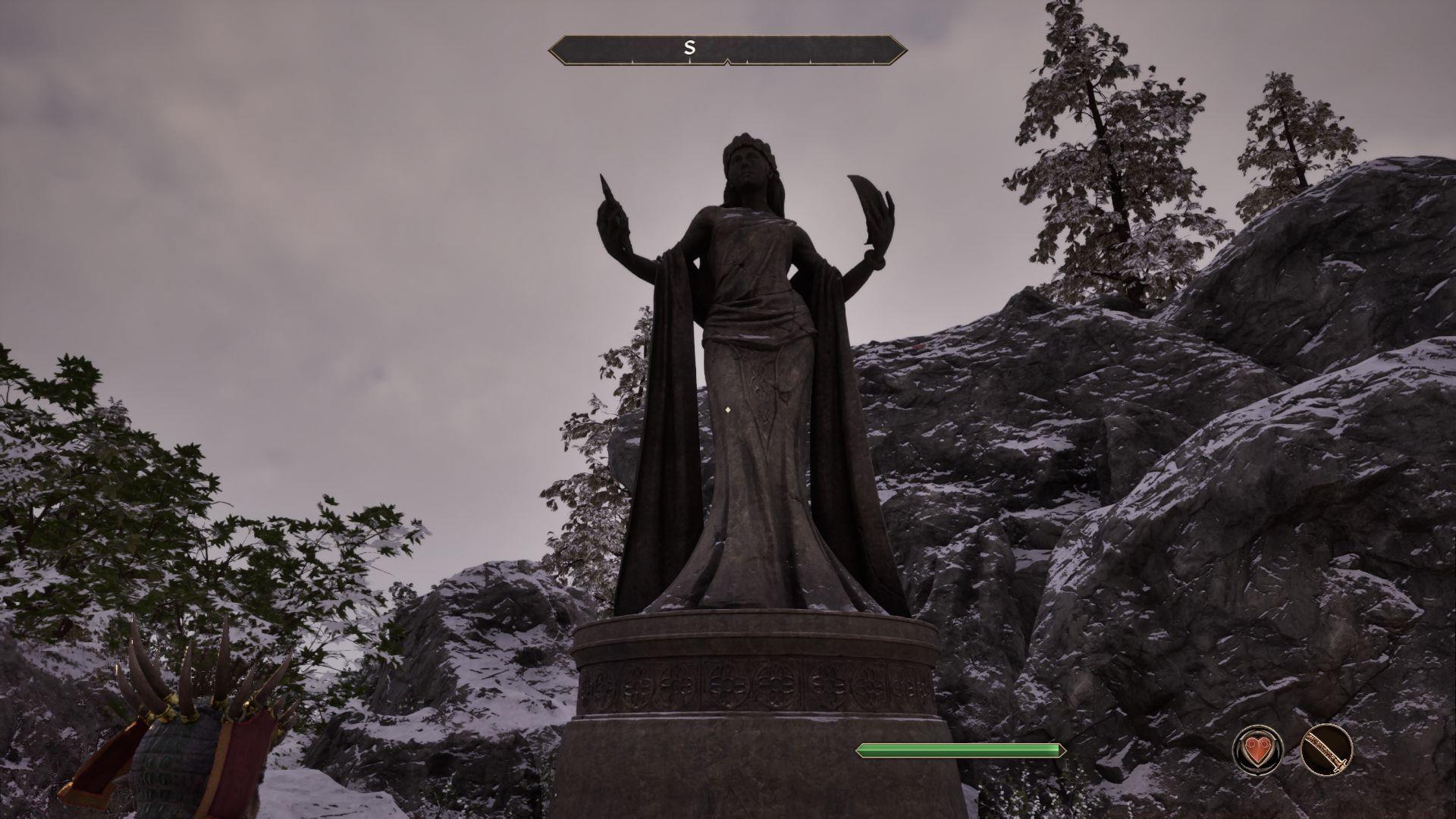
Shrine discovery requires careful exploration since most Daedric altars are hidden in remote wilderness areas or tucked away in forgotten corners of Cyrodiil. Successful navigation depends on recognizing the distinctive map marker symbol shown on your compass display. Pro tip: activate the ‘Detect Life’ spell while exploring dense forests or mountainous regions to spot shrine locations more easily. Many experienced players recommend systematically checking the perimeter of each major city’s surrounding areas, as several shrines are conveniently located just beyond city walls.
Before any Daedric Prince will grant you an audience, your character must meet specific level requirements that vary by deity. Generally, you’ll need to reach at least level 2 for the simplest quests, with more challenging assignments requiring levels up to 20. Each shrine demands a particular offering item – these range from common alchemy ingredients to rare magical components. Always check your inventory for appropriate tribute items before embarking on shrine pilgrimages. Failure to bring the correct offering wastes valuable travel time and resources.
Quest Mechanics and Ethical Choices
Daedric quests frequently present players with morally ambiguous scenarios that challenge conventional heroic behavior. These assignments might involve theft, assassination, deception, or other unlawful activities that test your character’s ethical boundaries. The beauty of Oblivion’s design lies in how these choices remain entirely optional – you can always decline a quest that conflicts with your roleplaying vision. However, refusing certain Daedric Princes may permanently lock you out of obtaining their unique artifacts during that playthrough.
Committing crimes at a Daedric Prince’s behest carries real consequences within the game world. If witnesses observe your illegal activities, the Imperial guards will place bounties on your head, making travel through civilized areas dangerous. Strategic players often complete these quests during nighttime or use illusion magic to remain undetected. Another effective approach involves quick-saving before attempting risky actions, allowing you to revert if your criminal endeavors go awry. Remember that some crimes can be resolved by paying off your bounty, while others may require more creative solutions.
Advanced Strategies and Optimization
Maximizing your Daedric Artifact collection requires strategic planning and understanding of game mechanics. Beginners often make the mistake of rushing to collect artifacts without considering their character build compatibility. For magic-focused characters, artifacts like the Skeleton Key or Staff of Everscamp provide tremendous utility, while warrior builds benefit more from weapons like Volendrung or the Mace of Molag Bal. Always research an artifact’s properties before undertaking the associated quest to ensure it aligns with your playstyle.
Common pitfalls include attempting quests under-leveled, failing to prepare adequate healing items, and neglecting to bring the correct shrine offerings. Veteran players recommend creating a dedicated artifact hunting checklist that tracks level requirements, offering components, and quest difficulty ratings. Time management is also crucial – some Daedric quests involve multi-stage objectives that can consume several in-game days. Plan your artifact acquisition around other major questlines to maintain narrative cohesion and avoid overwhelming your journal with simultaneous objectives.
For comprehensive Oblivion Remastered guidance, explore these additional resources:
- Minor and Major Skills, explained
- What are the best Attributes to increase?
- Best Races to pick for Melee, Magic, and Ranged classes
- Best Birthsigns to take
- 5 things The Elder Scrolls IV: Oblivion does better than Skyrim
- Best Two-Handed build in Oblivion Remastered
No reproduction without permission:GameCDjnh » Oblivion Remastered: Oblivion Remastered: All Daedric Artifacts, and how to get them Master Daedric Artifacts in Oblivion Remastered: Complete guide to shrines, quests, and powerful rewards