
Complete guide to Monster Hunter Wilds TU2 update with Lagiacrus, Seregios, and practical hunting strategies
TU2 Update Overview and Server Status
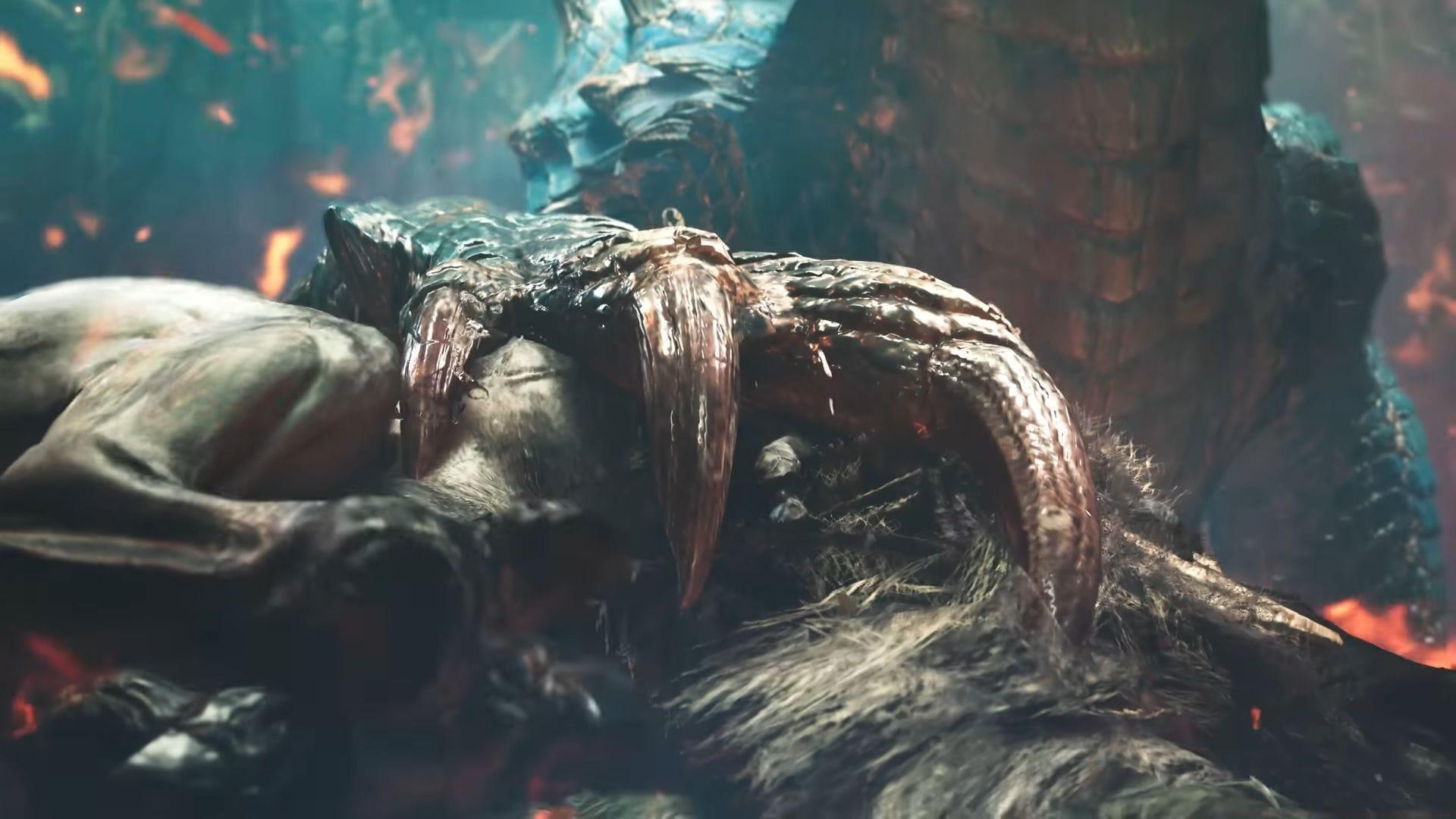
The Monster Hunter Wilds servers have successfully resumed operations following the essential TU2 content maintenance period. This significant update brings two highly anticipated creatures to the hunting grounds: the legendary aquatic wyvern Lagiacrus and the razor-sharp flying menace Seregios. As a complimentary enhancement, all current Monster Hunter Wilds owners receive this expansion automatically without additional costs.
Review the complete Monster Hunter Wilds Monsters roster to understand your potential adversaries!
Monster Hunter Wilds TU2 content has officially launched following server maintenance completion. The maintenance window spanned from roughly 5:00 PM Pacific Time on June 30, 2025, with an expected conclusion at 9:30 PM PT that same evening. Interestingly, service restoration occurred approximately ten minutes ahead of the projected timeline, allowing hunters earlier access.
Following server restoration, players must install a compulsory update across all gaming platforms to integrate TU2 content into their Monster Hunter Wilds experience. Platform-specific download dimensions for the TU2 enhancement include variable sizes depending on your system architecture.
New Monsters: Lagiacrus and Seregios Deep Dive
Lagiacrus represents a triumphant return for veteran hunters, featuring enhanced electrical attacks and submerged combat mechanics that demand strategic positioning. This leviathan-class monster utilizes powerful thunder-based discharges that can paralyze unprepared hunters, while its tail swipes create wide-area threats requiring precise dodging techniques.
Seregios introduces aerial superiority challenges with its razor-sharp scales and bleeding-inflicting attacks. Unlike traditional flying wyverns, Seregios employs rapid aerial maneuvers followed by devastating dive attacks that can quickly deplete health bars. Its unique scale-shooting mechanism requires constant movement and situational awareness.
Strategic hunters should prioritize thunder resistance gear when confronting Lagiacrus, while bleeding-resistant armor proves essential against Seregios assaults. Elemental weaknesses follow established patterns: Lagiacrus remains vulnerable to fire-based weaponry, whereas Seregios shows susceptibility to both ice and dragon elemental damage types.
Advanced combat tactics involve exploiting environmental interactions – water areas can conduct Lagiacrus’ electrical attacks, while narrow spaces limit Seregios’ aerial mobility. Weapon choice significantly impacts hunt duration, with switch axes and charge blades providing effective elemental discharge opportunities against both creatures.
Hunter Rank Requirements and Progression Tips
Accessing both Lagiacrus and Seregios encounters mandates achieving Hunter Rank 31 as a minimum threshold. This prerequisite ensures hunters possess adequate gear and combat experience before facing these challenging adversaries. Players below this rank should focus on targeted progression activities to elevate their standing efficiently.
Optimal rank acceleration involves completing assigned quests in sequential order while prioritizing multi-monster hunts that provide substantial rank point rewards. Investigations with gold rewards offer particularly efficient rank progression, while tempered monster encounters deliver accelerated advancement opportunities for prepared hunters.
Gear preparation should emphasize defensive capabilities alongside damage output. Armor sets with thunder resistance above 20 significantly improve Lagiacrus survival rates, while bleeding immunity skills prove invaluable against Seregios’ scale attacks. Weapon augmentation and armor sphere investment become crucial at this progression stage.
Common progression errors include neglecting armor upgrades in favor of offensive skills, underestimating elemental defense requirements, and attempting advanced hunts with suboptimal weapon sharpness levels. Successful hunters balance damage capabilities with survivability enhancements through strategic gear selection and skill allocation.
Layered Weapons and Customization Features
The TU2 enhancement introduces comprehensive layered weapons systems, enabling hunters to separate visual appearance from statistical performance. This long-requested feature allows fashion-focused hunters to maintain optimal combat effectiveness while expressing personal aesthetic preferences through weapon appearances.
Unlocking layered weapon options typically requires completing specific hunts, gathering rare materials from new monsters, and achieving certain mastery milestones with weapon types. Each weapon category features unique visual customization options that can be mixed and matched to create distinctive combat styles.
Strategic customization involves selecting layered appearances that complement armor sets while maintaining visual clarity during combat situations. Overly elaborate designs may occasionally obscure attack animations or environmental cues, so practical hunters balance aesthetics with functional visibility.
Future updates may expand layered weapon availability to include legacy designs from previous Monster Hunter installations, providing additional nostalgic customization opportunities for series veterans. Current implementation focuses on TU2 weapon variants with planned expansion based on community feedback and usage patterns.
Advanced Hunting Tactics and Common Mistakes
Lagiacrus combat requires understanding its three-phase battle pattern: initial distance testing with electrical projectiles, close-range body slam and tail sweep combinations, and enraged state with enhanced area denial attacks. Successful hunters maintain mid-range positioning to avoid close-quarters combos while remaining outside widespread electrical discharge ranges.
Seregios demands constant positional adaptation as its bleeding attacks accumulate damage over time. The creature’s unique scale regeneration mechanic means breaking specific body parts temporarily reduces its attack patterns, creating strategic windows for aggressive play. Flash pods prove particularly effective during its aerial assault phases.
Common tactical errors include overcommitting to damage during enrage phases, neglecting to bring nullberries for bleed status removal, and failing to adjust weapon elements based on monster vulnerabilities. Preparation oversights often involve inadequate item loadouts missing essential tools like thunder resistance mantles or herbal medicines.
Optimization strategies incorporate weapon sharpness management against Seregios’ hardening scales, elemental damage capitalization during Lagiacrus’ recovery animations, and environmental trap utilization to create additional damage opportunities. Advanced hunters coordinate with teams to simultaneously break multiple monster parts for maximum reward efficiency.
No reproduction without permission:GameCDjnh » Monster Hunter Wilds TU2: Is server maintenance over? Complete guide to Monster Hunter Wilds TU2 update with Lagiacrus, Seregios, and practical hunting strategies