
Comprehensive analysis of Mick Gordon’s departure from Doom and Finishing Move’s new musical direction for The Dark Ages
Introduction: A New Era for Doom’s Music
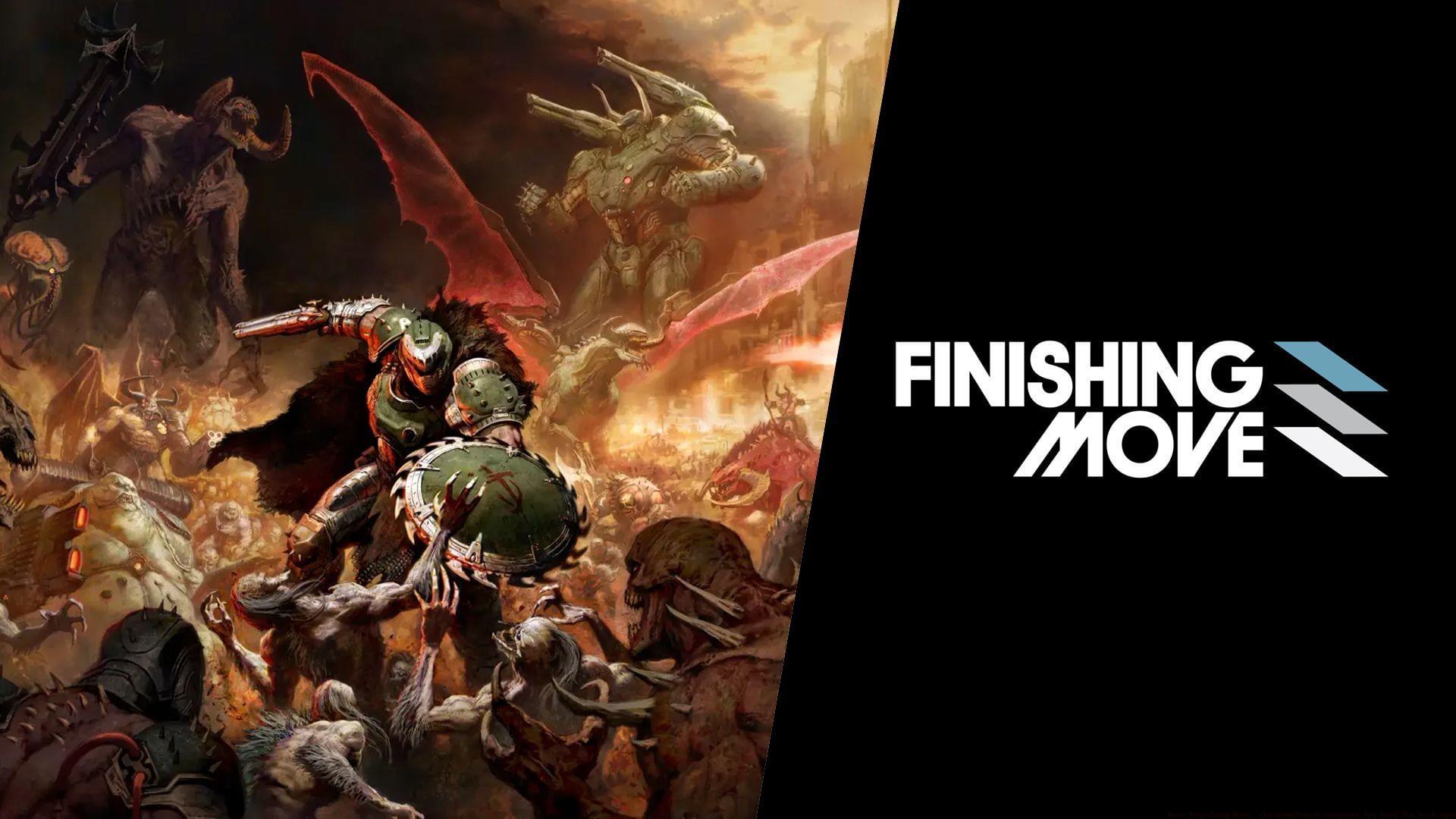
Doom The Dark Ages has launched its early access phase, generating excitement throughout the gaming community worldwide. This narrative prequel to the contemporary Doom trilogy immerses players in a distinctive techno-medieval universe teeming with demonic adversaries. The pulsating musical score intensifies the gameplay action, masterfully enhancing the title’s gritty and aggressive atmosphere.
For those seeking puzzle solutions, explore the latest NYT Mini Crossword Answers, LA Times Crossword Answers, and Atlantic Crossword Answers for daily challenges.
Finishing Move: The New Musical Architects
Boasting extensive industry tenure spanning multiple decades, Finishing Move has crafted acclaimed soundscapes for numerous celebrated video game titles, with notable projects including:
The studio’s exceptional capacity to fuse electronic instrumentation, classical arrangements, and industrial audio elements has garnered them substantial recognition over their career, including the prestigious Best Original Instrumental award for Halo 2 Anniversary at the 2015 Game Audio Network Guild (G.A.N.G.) Awards ceremony.
Finishing Move’s vibrant musical creations inject renewed dynamism into Doom The Dark Ages, guaranteeing that the game’s audio landscape preserves the iconic resonance and emotional impact characteristic of earlier franchise entries.
Understanding soundtrack composition requires recognizing how different studios approach musical storytelling. Finishing Move typically employs layered instrumentation techniques, building tension through rhythmic complexity while maintaining melodic accessibility. Their work on The Callisto Protocol demonstrated particular skill in creating atmospheric dread through minimalistic yet impactful sound design.
The Mick Gordon Controversy Explained
Mick Gordon earned renown for creating some of the most distinctive and memorable musical compositions within the Doom franchise history. His exclusion from The Dark Ages development originates from professional disagreements that emerged throughout Doom Eternal’s production cycle.
Based on Gordon’s public statements, the primary conflict revolved around the game’s official soundtrack publication process. He clarified that contractual obligations for OST production were not finalized when the album was initially announced to the public.
Gordon asserted he received the formal agreement significantly behind schedule, compelling him to finalize twelve complete musical compositions under severe time constraints. He further contended that id Software’s lead audio designer compiled the definitive OST utilizing a combination of his original music and in-game audio assets, without providing opportunity for final review or artistic approval before release.
Gordon presented numerous additional allegations regarding development practices, which interested readers can explore through his comprehensive public statements.
Consequently, following the professional fallout, Gordon elected to sever ties with the Doom franchise entirely and holds no involvement in The Dark Ages production.
This situation illustrates common industry challenges where tight development schedules conflict with artistic integrity. Developers often face pressure to deliver content rapidly, while composers require adequate time for creative refinement. The lack of transparent communication channels between audio teams and management frequently exacerbates these tensions.
Comparing Musical Approaches
Although Gordon’s influential legacy persistently resonates with dedicated franchise enthusiasts, Finishing Move has accepted the creative challenge, producing a musical score that encapsulates the visceral intensity and energetic pacing that players anticipate from the series.
Gordon’s signature style emphasized heavy metal influences with complex rhythmic structures and aggressive synthesizer layers. His approach focused on creating music that mirrored the player’s adrenaline-fueled combat experiences, often using dynamic mixing that responded to gameplay intensity.
Finishing Move appears to be incorporating more orchestral elements alongside the expected industrial sounds, potentially creating a richer textural palette that complements the medieval fantasy aesthetic. Early previews suggest they’re maintaining the franchise’s characteristic aggression while introducing more melodic themes that support narrative progression.
For players transitioning between composers, the auditory experience should remain cohesive. Both approaches prioritize gameplay synchronization and emotional resonance, though through slightly different musical vocabularies. The core identity of Doom’s sound – relentless, powerful, and immersive – appears preserved despite the creative leadership change.
Future Implications for Gaming Soundtracks
Explore additional related content:
The gaming industry continues evolving its approach to audio production, with this situation highlighting several important considerations for future projects. Clear contractual agreements established early in development cycles can prevent similar disputes, while maintaining open communication between creative teams ensures artistic vision alignment.
Players should recognize that composer changes, while significant, don’t necessarily diminish a game’s audio quality. Different musical perspectives can bring fresh innovation to established franchises, as demonstrated by successful transitions in other major game series throughout industry history.
The ultimate measure of success remains how effectively the music serves the gameplay experience. Early indications suggest Finishing Move understands Doom’s audio requirements and has crafted a score that honors the franchise’s legacy while establishing its own distinctive identity within the techno-medieval setting.
No reproduction without permission:GameCDjnh » Meet Finishing Move, the soundtrack composer for Doom The Dark Ages Comprehensive analysis of Mick Gordon's departure from Doom and Finishing Move's new musical direction for The Dark Ages