
Master Blade’s vampire hunter gameplay with advanced strategies, counter tactics, and optimization techniques for Marvel Rivals
Blade’s Core Gameplay Mechanics
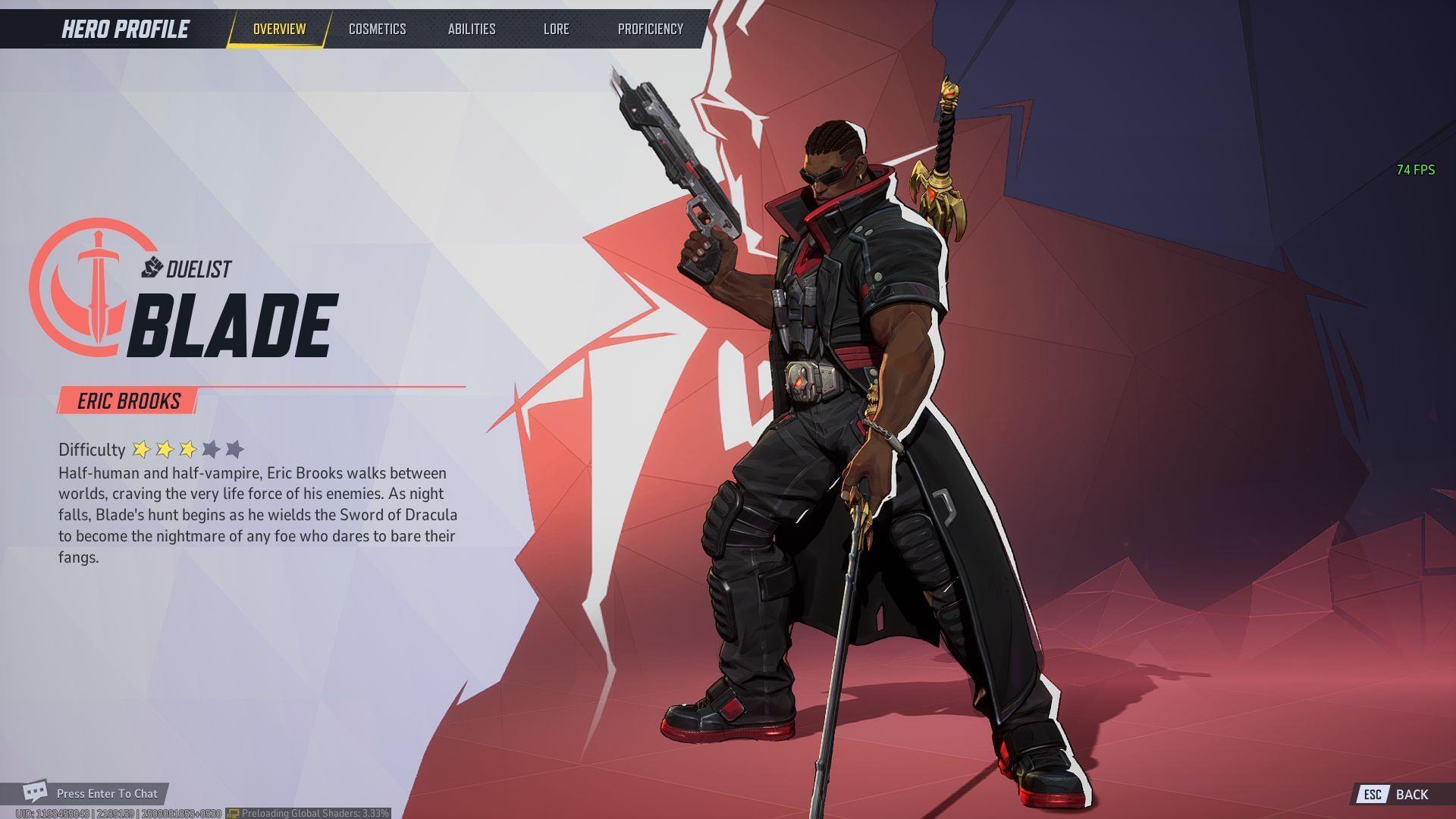
The vampire hunter Blade arrived in Marvel Rivals during the Season 3.5 update, generating significant anticipation among players who spotted his earlier Easter egg appearances. His combat kit perfectly mirrors his comic book persona, featuring rapid sword techniques, devastating shotgun blasts, and distinctive vampire-inspired visual effects. As a Duelist class hero, Blade specializes in eliminating high-priority targets through calculated aggression.
Blade’s mobility makes him exceptionally difficult to pin down. His Daywalker Dash ability provides substantial horizontal movement while simultaneously dealing considerable damage across all hero types. This movement tool proves invaluable for both engaging and disengaging from combat situations. Similarly, his ultimate ability Thousand-Fold Slash covers impressive ground while delivering massive area damage.
Optimal Blade gameplay revolves around a phased engagement strategy. Begin encounters at medium range using your shotgun to apply consistent pressure and whittle down enemy health pools. As opponents weaken or make positioning errors, transition to close-quarters combat where your sword delivers superior damage output and combo potential. Always maintain awareness of your ultimate charge status, as Thousand-Fold Slash often determines team fight outcomes.
Bloodline Awakening demands tactical activation timing—only trigger this ability when you can guarantee sustained damage application. The life steal effect provides tremendous survivability but comes with the significant drawback of substantially reducing healing received from teammates. Scarlet Shroud serves as your primary defensive cooldown, capable of negating crowd control effects and surviving enemy ultimate abilities that would otherwise eliminate you.
Thousand-Fold Slash represents one of the game’s most powerful area denial and execution tools. The ability combines a lengthy dash with a concluding area-effect strike that applies severe healing reduction to all affected enemies. Properly executed, this ultimate can instantly delete low-health targets from the battlefield. However, the extended startup animation leaves Blade vulnerable to interruption from crowd control abilities, making optimal timing essential for successful deployment.
Countering Blade: Matchup Analysis
Blade encounters significant difficulties against long-range specialists and tanky heroes who can prevent his approach before he enters effective combat range. These opponents exploit his primary weakness: the distance he must cover to become threatening. Understanding these matchups is crucial for both Blade players and those facing him.
Heroes with substantial crowd control capabilities and area denial tools pose the greatest threat to Blade’s effectiveness. Characters who can maintain distance while outputting consistent damage force Blade into unfavorable engagements where his close-range strengths become irrelevant. The most effective counters typically combine range with disruption abilities that punish aggressive positioning.
When confronting these problematic matchups, adopt a patient hit-and-run methodology. Utilize environmental cover extensively to minimize exposure while gradually closing distance. Force opponents into compromising positions where their range advantage diminishes. The optimal strategy involves persistent evasion and positioning pressure until enemies have no alternative but to engage at your preferred range.
Against teams running multiple Blade counters, consider adjusting your target priority. Rather than focusing the most problematic heroes initially, eliminate supporting characters first to reduce the enemy team’s overall utility. This creates opportunities to isolate and overwhelm primary counters once their support network collapses.
Character Lore and Background
Marvel Rivals provides this official character description for Blade in Season 3.5:
According to Marvel Comics lore, Eric “Blade” Brooks operates as a professional vampire hunter and unique dhampir—a hybrid being born human but possessing vampire capabilities. His childhood training focused exclusively on vampire combat methodologies, mastering traditional weapons including swords, wooden stakes, and an array of firearms. Interestingly, his hybrid nature grants him the rare ability to operate effectively during daylight hours despite his vampire heritage, earning him the “Daywalker” moniker. The game adaptation remains remarkably faithful to his comic book representation, maintaining his distinctive appearance and weapon repertoire.
Blade’s visual design incorporates subtle nods to his comic history while adapting him for the Marvel Rivals aesthetic. The vampire-themed glow effects on his abilities reference his supernatural origins, while his practical combat attire reflects his no-nonsense approach to hunting. These design choices successfully bridge his classic comic identity with the game’s more dynamic visual language.
Advanced Strategies and FAQs
Is Blade viable in competitive play?
Absolutely—Blade represents an exceptional selection for ranked matches, particularly when opposing teams depend heavily on healing sustain. His healing reduction effects severely undermine support heroes who rely on restoring teammate health, making him a strategic counter-pick in many meta compositions.
How difficult is Blade to master?
While Blade’s ability kit appears relatively straightforward at first glance, achieving true mastery demands considerable practice and game sense development. His effectiveness directly correlates with player positioning awareness and engagement timing, making him a suboptimal choice for beginners still learning fundamental game mechanics.
When was Blade added to Marvel Rivals?
The vampire hunter joined the hero roster on August 8, 2025, as part of the Season 3.5 content update.
Advanced Technique: Animation Canceling
Master animation canceling between your shotgun and sword attacks to maximize damage output during engagement windows. The transition from medium to close range represents your highest damage potential moment—learning to fluidly switch weapons while canceling recovery animations can significantly improve your elimination efficiency.
Common Mistake: Overcommitting with Ultimate
Many Blade players mistakenly activate Thousand-Fold Slash without proper setup or enemy crowd control consideration. Always verify that key interrupt abilities have been used before committing your ultimate, or coordinate with teammates to guarantee safe activation windows.
Team Composition Synergy
Blade performs exceptionally well alongside heroes who can create engagement opportunities. Partners with reliable crowd control set up your close-range dominance, while shield providers help bridge the distance against ranged opponents. Avoid pairing with healers who rely heavily on burst healing, as Bloodline Awakening reduces their effectiveness.
Read more articles here:
No reproduction without permission:GameCDjnh » Marvel Rivals Blade guide: Abilities, how to play, and more Master Blade's vampire hunter gameplay with advanced strategies, counter tactics, and optimization techniques for Marvel Rivals