
TL;DR
- Elden Ring offers massive open-world exploration while Lords of the Fallen provides focused linear progression
- Combat differs significantly: tactical positioning vs aggressive elimination strategies
- Lords of the Fallen excels in visual detail; Elden Ring in environmental variety
- Both games feature robust multiplayer but differ in accessibility options
- Player choice depends on preference for narrative freedom vs structured storytelling
Lords of the Fallen and Elden Ring represent two distinct approaches to the action RPG genre, both drawing significant inspiration from the challenging Dark Souls series. While they share foundational mechanics like stamina management and pattern-based combat, each title carves its own identity through unique design philosophies. These games demonstrate how developers can reinterpret the Souls-like formula while maintaining the core elements that define the genre.
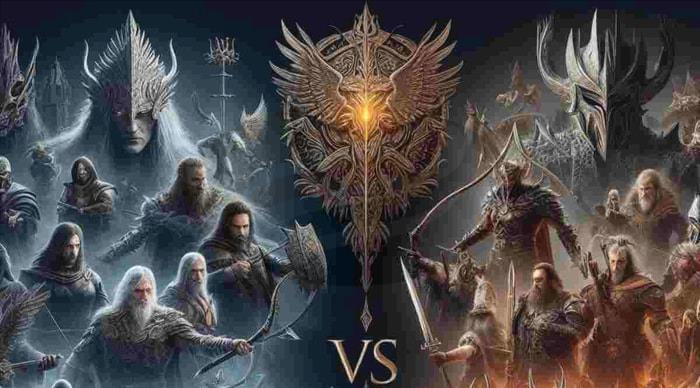
Understanding their differences helps players select the experience that best matches their gaming preferences and playstyle requirements.
Lords of the Fallen presents a classic mythological struggle between cosmic forces of light and darkness. Players assume the role of a prophesied hero tasked with preventing the resurrection of an ancient evil deity. This straightforward narrative structure provides clear objectives but may feel conventional to veterans of the genre. The storytelling follows a more direct path with explicit narrative beats and character motivations.
Elden Ring employs FromSoftware’s signature environmental storytelling and fragmented lore system. As a Tarnished warrior in the Lands Between, you piece together the history of the shattered Elden Ring through exploration and item descriptions. This approach encourages deep community discussion and theory-crafting, creating a living narrative that evolves beyond the game itself.
Common Mistake: Many players approach Elden Ring expecting traditional narrative delivery and miss crucial lore elements hidden in item descriptions and environmental details.
Lords of the Fallen demonstrates superior technical graphical fidelity with exceptionally detailed character models and environmental textures. The game’s dual-world mechanic, activated through your Umbral Lantern, creates dynamic visual transitions that dramatically alter atmosphere and gameplay possibilities. Environmental diversity spans gothic cathedrals, decaying fortresses, and surreal dreamscapes, each with distinct visual identities.
Elden Ring prioritizes artistic cohesion over raw graphical power, creating a vast, interconnected world with consistent visual language. While individual textures may appear less detailed, the overall art direction creates memorable landscapes that feel both epic and intimate.
Optimization Tip: Adjust shadow quality and draw distance settings to maintain performance while exploring Elden Ring’s massive open world, especially on mid-range systems.
Elden Ring’s open-world design represents a revolutionary departure from traditional Souls-like level structure. Players enjoy unprecedented freedom to explore six major regions in any order, discovering hidden dungeons, optional bosses, and environmental secrets. This non-linear approach encourages curiosity and rewards thorough exploration with unique items and narrative revelations.
Lords of the Fallen employs a more traditional interconnected linear design reminiscent of earlier Souls titles. The world unfolds through carefully crafted pathways and shortcuts, creating a sense of progression through mastery rather than geographic discovery.
Time Estimate: Completing Elden Ring’s main story typically requires 60-80 hours, while 100% completion can exceed 150 hours. Lords of the Fallen offers a more condensed 25-35 hour campaign focused on curated experiences.
Both games build upon the established Dark Souls combat foundation of deliberate actions, stamina management, and enemy pattern recognition. However, their tactical emphases create distinctly different combat experiences that appeal to different player types.
Lords of the Fallen emphasizes tactical positioning and enemy management through its unique soul-flaying mechanics. Successful combat requires careful attention to enemy placement and environmental advantages, making each encounter a strategic puzzle.
Elden Ring introduces more aggressive combat options with jump attacks, guard counters, and the powerful Spirit Ash summoning system. These additions create faster-paced encounters while maintaining the methodical precision the genre is known for.
Advanced Strategy: Master the weapon art system in Elden Ring to create specialized builds that can adapt to different enemy types and situations. Check out our Weapons Unlock guide for similar progression systems in other games.
Both titles include quality-of-life improvements that make the Souls-like experience more accessible without compromising challenge. Manual saving functionality allows players to manage their progression without losing significant progress to unexpected challenges.
Multiplayer features span cooperative assistance and competitive invasions, though implementation differs between titles. Elden Ring’s asynchronous messaging system and summoning pools create a more dynamic online ecosystem.
Lords of the Fallen offers more immediate accessibility through clearer objective markers and tutorial systems. Elden Ring maintains FromSoftware’s traditional hands-off approach to player guidance.
Practical Tip: Utilize Elden Ring’s summoning system for particularly challenging boss encounters rather than struggling excessively alone.
Both Lords of the Fallen and Elden Ring deliver exceptional Souls-like experiences through different design priorities. Your choice depends heavily on whether you value expansive freedom or focused design, environmental storytelling or direct narrative.
For players seeking massive exploration and build diversity, Elden Ring provides unparalleled content depth and replay value. Those preferring tighter level design and more immediate narrative clarity may find Lords of the Fallen more satisfying.
Consider your available time commitment and preferred playstyle when selecting between these outstanding titles. For comprehensive gaming guidance, explore our Complete Guide section for similar analytical breakdowns.
Selection Criteria: Match your preference for open-world exploration versus interconnected level design when deciding between these games.
Action Checklist
- Assess your preference for open-world exploration vs linear progression
- Determine your available time commitment (25-35 hours vs 60-150 hours)
- Research character build options and class systems before starting
- Configure graphics settings based on your system capabilities
- Plan multiplayer engagement strategy for cooperative or competitive play
- Review our Class Guide for similar character development systems
No reproduction without permission:GameCDjnh » Lords of the Fallen and Elden Ring: A Comparison of Two Games Comparing Lords of the Fallen vs Elden Ring: Combat, World Design, and Player Experience Differences