
Complete guide to understanding the relationship between Deltarune and Undertale with practical gameplay tips
The Parallel Universe Relationship Explained
Deltarune functions as an alternate reality to Undertale rather than continuing its storyline directly. Creator Toby Fox has explicitly described these games as existing in parallel universes, where certain characters and thematic elements reappear in different contexts. This creates a fascinating multiverse concept where familiar faces inhabit completely new narratives.
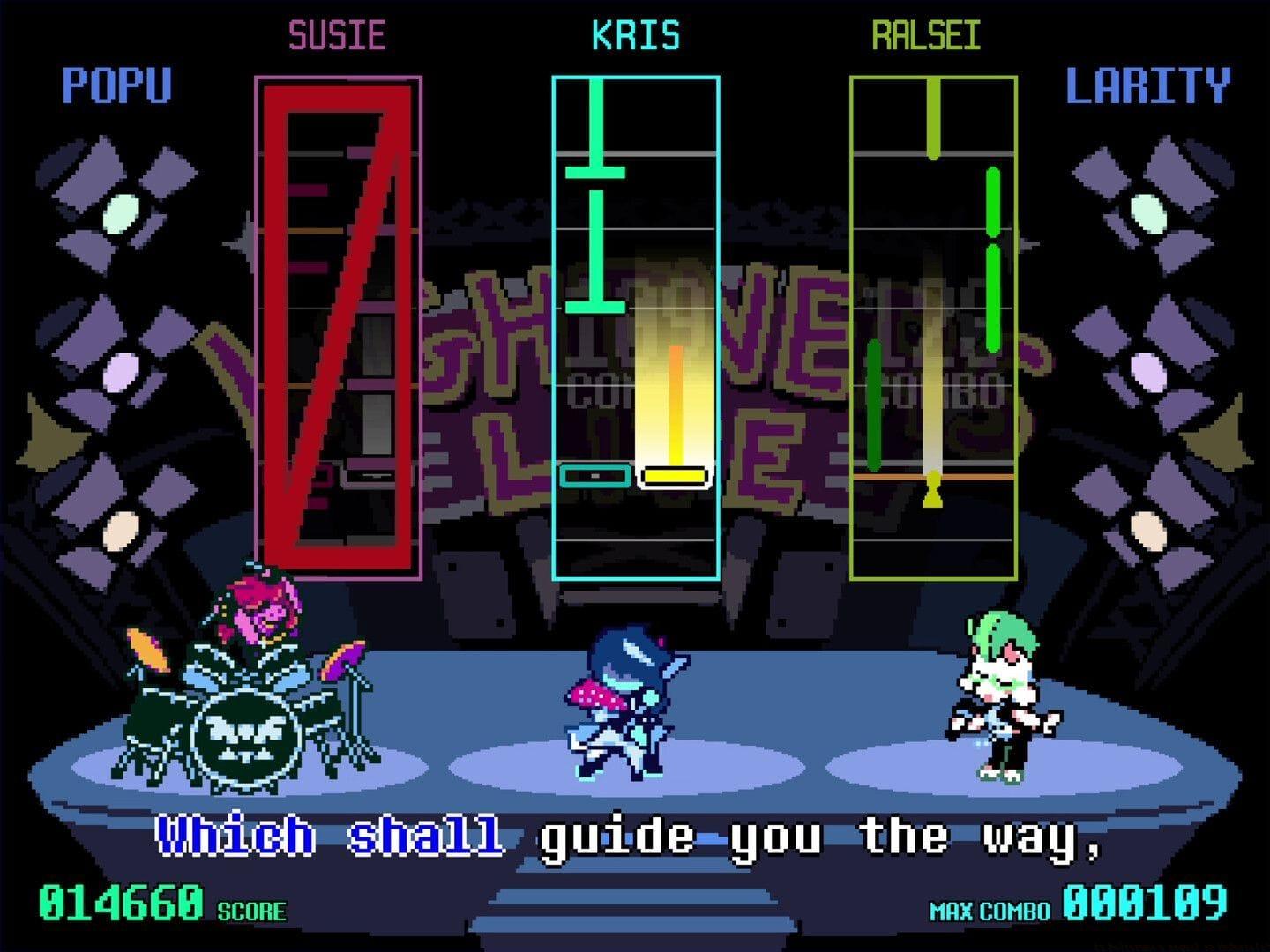
The visual similarities and recurring character designs often mislead players into assuming a direct sequel relationship. However, the fundamental narrative structures differ significantly – while Undertale focuses on monster liberation from an underground prison, Deltarune introduces an entirely new Dark World concept with different stakes and character motivations.
Common pitfalls include assuming character relationships carry over directly between games. For example, Susie and Ralsei may resemble Undertale characters superficially, but they possess completely original backstories and character development arcs that stand independently from the previous game’s narrative.
Gameplay Mechanics and Character Analysis
Deltarune introduces players to protagonist Kris, who partners with the fierce Susie and mysterious Ralsei on a quest to preserve balance between worlds. The trio dynamic creates unique party-based interactions that differ from Undertale’s predominantly solo adventuring approach, adding strategic depth to both combat and dialogue sequences.
The battle system retains the bullet-hell mechanics that made Undertale famous but incorporates significant innovations. Team attacks, formation strategies, and combined special moves create more complex tactical options. The TP (Tension Points) system replaces traditional MP mechanics, rewarding precise timing and strategic ability usage during encounters.
Character development follows distinct patterns – Kris remains mostly silent like Frisk but exhibits more defined personality through environmental interactions and companion reactions. Susie’s character arc from potential antagonist to loyal ally provides one of the game’s most compelling narratives, while Ralsei’s mysterious origins continue to fuel fan theories about deeper universe connections.
Optimization tip: Master the ACT command variations early, as different enemy types respond uniquely to specific action combinations. Advanced players should experiment with pacifist, neutral, and violent approaches to unlock hidden dialogue and discover alternate scene triggers.
Playing Order Strategy and Newcomer Tips
While Deltarune functions as a standalone experience, playing Undertale first provides significant advantages for understanding subtle references and mechanical nuances. The learning curve for bullet-dodging mechanics, mercy systems, and puzzle-solving approaches becomes much smoother with prior Undertale experience.
New players should focus on mastering defensive maneuvers early, as Deltarune’s combat patterns often require more precise movement than its predecessor. Common beginner mistakes include underestimating the importance of team coordination and neglecting to explore every area thoroughly for hidden lore and items.
Strategic recommendation: Complete Undertale’s True Pacifist route before starting Deltarune to maximize narrative connections understanding. This provides context for character cameos and thematic callbacks that enhance the overall experience without spoiling Deltarune’s unique storyline.
For players short on time, focusing on Deltarune’s core narrative remains perfectly viable, but be prepared to miss approximately 30-40% of the interconnected lore and subtle references that enrich the experience for series veterans.
Expert Insights and Community Resources
Toby Fox’s development commentary reveals deliberate design choices to create connected yet independent experiences. The parallel universe concept allows for creative freedom while maintaining familiar elements that resonate with Undertale fans. Future chapter releases promise to further explore the boundaries between these interconnected worlds.
Explore Further: How many DR chapters will there be?
Both titles represent exceptional value for RPG enthusiasts seeking innovative gameplay mechanics and emotionally resonant storytelling. The unique animation style, combined with unforgettable musical scores and deeply developed characters, creates immersive experiences that reward multiple playthroughs with different approaches.
Community discoveries continue to uncover hidden connections through data mining, Easter egg hunting, and theoretical analysis. Popular research areas include timeline inconsistencies, character appearance variations, and musical motif recurrences that suggest deeper cosmological links between the games’ universes.
Additional community resources provide valuable insights:
No reproduction without permission:GameCDjnh » Is Deltarune a sequel to Undertale? Complete guide to understanding the relationship between Deltarune and Undertale with practical gameplay tips