
Understanding CS:GO skin gambling risks and practical strategies for responsible gaming habits
Understanding CS:GO Skin Gambling Mechanics
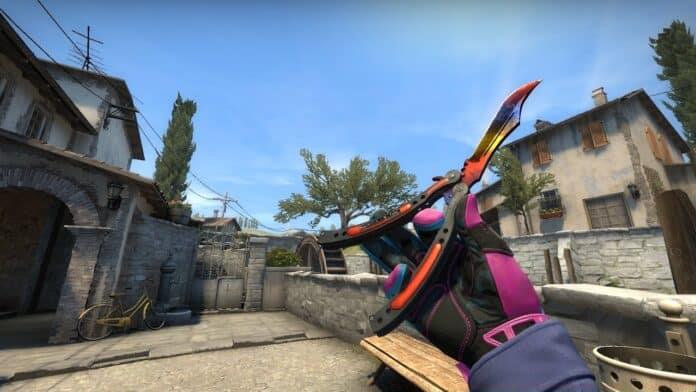
Within the competitive landscape of Counter-Strike: Global Offensive, skin gambling has emerged as a controversial yet increasingly prevalent activity. Players utilize virtual cosmetic items—purely aesthetic enhancements that don’t affect gameplay mechanics—to place wagers on professional match outcomes or participate in various chance-based games. Understanding this ecosystem requires recognizing how digital assets acquire perceived value despite their purely cosmetic nature.
The rapid expansion of skin gambling platforms represents one of gaming’s most significant recent developments. What began as niche communities has transformed into a multi-million dollar industry with hundreds of specialized websites catering exclusively to CS:GO enthusiasts. This growth trajectory demonstrates how virtual economies can develop complex financial ecosystems independent of traditional gaming structures.
Industry observers remain divided on the fundamental nature of skin gambling. Regulatory advocates argue these activities constitute legitimate online gambling requiring standard consumer protections and age verification systems. Conversely, some contend that since virtual skins lack tangible value outside game environments, they shouldn’t be classified alongside traditional gambling forms. This regulatory gray area creates significant challenges for consumer protection efforts.
Youth Vulnerability and Psychological Risks
The demographic profile of skin gambling participants reveals alarming patterns of youth involvement. Gambling Commission research indicates 17% of adolescents aged 11-16 have engaged in skin gambling within the past year, representing significant exposure during formative developmental stages. This early introduction normalizes gambling behaviors before individuals possess the cognitive maturity to understand long-term consequences or practice effective risk assessment.
Younger participants face substantially elevated addiction vulnerability compared to adult gamblers. Adolescent brains undergoing neurological development demonstrate heightened susceptibility to dopamine-driven reward systems that gambling activities deliberately exploit. This biological predisposition, combined with limited life experience regarding financial management, creates perfect conditions for problematic gambling habits to establish deep roots.
Financial consequences frequently extend far beyond initial expectations. Numerous documented cases show individuals spending hundreds to thousands of dollars pursuing virtual items with no guaranteed return on investment. The absence of traditional monetary transactions sometimes obscures the real-world financial impact, leading participants to underestimate their cumulative spending until facing significant economic strain.
Practical protection strategy: Establish pre-commitment spending limits before accessing gambling platforms and use external accountability partners to monitor behavioral patterns. Recognize that the ‘sunk cost fallacy’ often traps gamblers into chasing losses beyond reasonable thresholds.
Financial Consequences and Regulatory Gaps
The regulatory landscape surrounding skin gambling remains dangerously underdeveloped despite its rapid commercial expansion. While technically legal in most jurisdictions due to legislative gaps regarding virtual items, these activities often escape standard gambling regulations designed to protect consumers. This regulatory vacuum leaves participants vulnerable to predatory practices without established recourse mechanisms.
Third-party platforms dominate the skin gambling ecosystem, operating through complex webs of legal entities that complicate jurisdictional accountability. These sites typically offer extensive game varieties and betting options specifically designed to maximize user engagement across experience levels. However, the absence of regulatory oversight means fairness verification remains virtually impossible for average users.
Accessibility represents perhaps the most significant concern within the current skin gambling infrastructure. Critics rightly highlight how easily minors can bypass age verification systems, with many platforms implementing minimal barriers to entry. The combination of enticing interface designs, social validation mechanisms, and simplified access points creates particularly potent risks for younger demographics lacking developed impulse control.
Common mistake to avoid: Never assume platform legitimacy based on professional appearance alone. Research regulatory compliance, user reviews, and security certifications before depositing valuable skins. Remember that sophisticated website design doesn’t guarantee ethical business practices or financial stability.
Comparative Analysis: Skin vs Traditional Gambling
Understanding skin gambling’s unique risks requires examining both similarities and distinctions from traditional gambling formats. Both activities fundamentally involve risking assets on uncertain outcomes, utilizing similar psychological triggers and potentially leading to parallel addiction pathways and financial consequences. The shared neurological reward mechanisms mean existing gambling addiction research largely applies to skin gambling contexts.
Critical differences emerge in how participants perceive risk and value. Skin gambling’s use of virtual items sometimes creates psychological distance from real-world financial consequences, leading participants to take greater risks than they would with traditional currency. This valuation disconnect can accelerate problematic behavior patterns before participants recognize developing issues.
The unregulated nature of most skin gambling platforms introduces additional risk dimensions absent from licensed casinos and betting establishments. Participants have no reliable method to verify game fairness, ensure platform solvency, or guarantee payout integrity. This regulatory vacuum shifts all risk to consumers while providing minimal recourse for unethical practices or platform failures.
Advanced awareness tip: Track time and resource investment using external tools rather than platform-provided analytics. Compare your skin gambling engagement patterns against traditional gambling behaviors to identify potential normalization of excessive risk-taking.
Prevention Strategies and Responsible Gaming
Parental awareness and intervention represent the first line of defense against underage skin gambling participation. Open conversations about virtual item value, gambling risks, and financial responsibility should begin before children encounter these platforms. Monitoring gaming activities and payment methods helps identify early warning signs while establishing clear household guidelines regarding virtual economies.
Individual players benefit from implementing structured approaches to skin engagement. Setting predetermined spending limits, maintaining separation between gaming and gambling activities, and regularly assessing time and financial investments help maintain healthy boundaries. Recognizing personal vulnerability factors—such as chasing losses or increasing bet sizes to recover funds—enables early intervention before behaviors become problematic.
The debate surrounding comparative harm between skin gambling and traditional formats continues evolving as research accumulates. Skin gambling’s accessibility and perceived lower stakes may increase addiction vulnerability through frequent engagement opportunities. Conversely, traditional gambling’s direct financial consequences often become apparent more quickly, potentially enabling earlier recognition of problematic patterns.
Optimization approach: Focus skin acquisitions on personal enjoyment rather than investment potential. High-quality skins can enhance gameplay experience through visual customization, but should represent discretionary spending within entertainment budgets rather than speculative investments.
Ultimately, individual responsibility remains crucial regardless of gambling format. Understanding personal risk tolerance, recognizing warning signs, and maintaining perspective on the entertainment purpose of gaming activities help preserve positive engagement while minimizing potential harm.
No reproduction without permission:GameCDjnh » Is CS:GO Skin Gambling As Harmful As Regular Gambling? Understanding CS:GO skin gambling risks and practical strategies for responsible gaming habits