
Master animal training in RimWorld Odyssey with comprehensive strategies for taming, skill development, and colony optimization
Introduction: The Strategic Value of Animal Companions
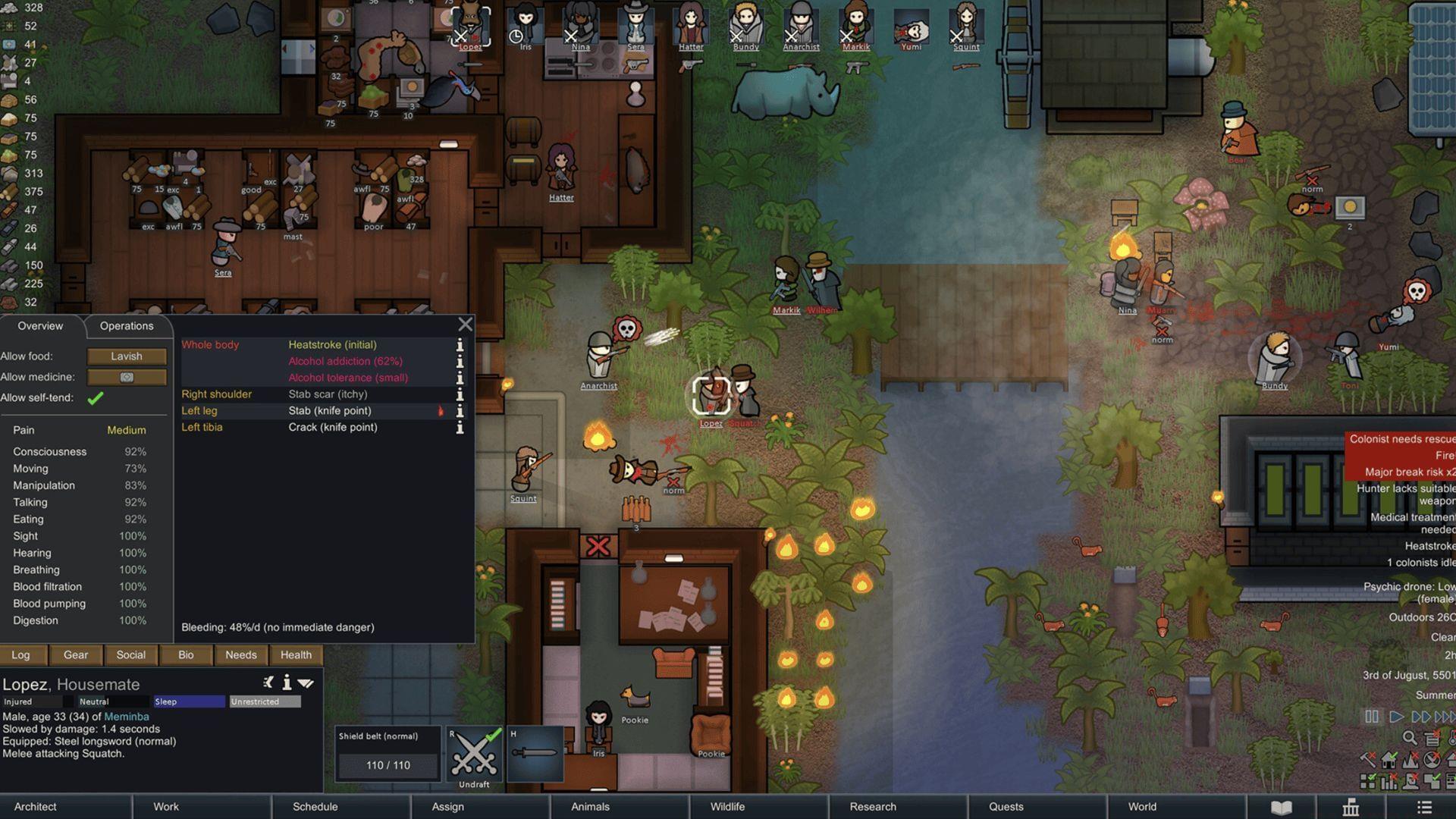
Mastering animal husbandry in RimWorld Odyssey represents one of the most impactful strategic decisions for colony development. Properly trained creatures serve as force multipliers, enhancing productivity, defense capabilities, and overall survival resilience. From resource transportation to combat support, these animal allies provide diverse benefits that dramatically reduce pawn workload while increasing operational efficiency.
Many colonies overlook the tremendous potential of systematic animal training, missing out on automated hauling systems, mobile medical response teams, and formidable combat auxiliaries. This comprehensive guide reveals the methodologies to transform wild creatures into invaluable colony assets through progressive training regimens and strategic species selection.
Taming Fundamentals: From Wild to Willing
The taming process requires careful preparation and understanding of creature behaviors. Begin by selecting a wild animal and initiating the Tame command through a colonist with adequate Animal skill levels. Success probabilities vary significantly based on handler expertise, animal temperament, and available food types.
Essential preparation includes ensuring your designated handler carries appropriate sustenance in their inventory. Dietary requirements differ substantially between species – herbivores typically respond to vegetables or hay, carnivores require raw meat, while omnivorous creatures accept either option or specially prepared kibble. Understanding these preferences dramatically increases taming success rates.
Novice handlers should prioritize docile species with minimal aggression responses to failed taming attempts. Recommended starting choices include alpacas for wool production, muffalos as caravan beasts, boars for versatile utility, or huskies for loyal companionship. These species offer manageable risk profiles while providing immediate practical benefits to developing colonies.
Training Progression: Building Animal Skills Systematically
Once successfully tamed, access the animal’s Training interface to initiate skill development. The training hierarchy follows a mandatory progression path with four primary skill categories:
- Obedience – Foundation training teaching creatures to respond to commands and remain with their assigned handler. This prerequisite skill must reach completion before advancing to specialized training.
- Release – Combat training enabling animals to engage enemies when commanded. Essential for defensive strategies and offensive operations.
- Rescue – Medical response training allowing animals to transport injured colonists to safety and medical facilities.
- Haul – Logistics training teaching creatures to transport resources between locations automatically.
The sequential nature of animal education cannot be circumvented – obedience mastery unlocks subsequent training tiers. While this progression requires substantial time investment, the long-term benefits significantly outweigh the initial resource allocation. Training efficiency improves with handler skill levels, animal happiness, and proper facility conditions.
Animal Selection Strategy: Matching Species to Colony Needs
Strategic species selection aligns animal capabilities with colony requirements. Different creatures excel in specific roles, making informed choices crucial for optimization:
- Huskies & Labradors – Excellent beginner choices with straightforward training requirements. Superior hauling capabilities and reliable rescue performance make them versatile additions.
- Wargs & Bears – Combat specialists with formidable attack capabilities. Require experienced handlers and present higher risks during training failures.
- Boomalopes – Unique chemfuel production through natural biological processes. Ideal for technologically advanced colonies requiring consistent fuel supplies.
- Cows & Yaks – Sustainable resource providers offering continuous milk production and caravan transport capabilities.
Specialization strategy should guide your selection process. Colonies requiring logistical support benefit from canine species, while militarily-focused settlements should invest in combat-trained animals. Consider breeding programs for sustainable animal populations, ensuring continuous availability of trained creatures.
Advanced Management: Health, Happiness and Efficiency
Animal welfare directly impacts training effectiveness and operational reliability. Neglected creatures suffering from malnutrition, injuries, or inadequate shelter demonstrate reduced training responsiveness and may develop behavioral issues.
Implement comprehensive care protocols including regular feeding schedules, appropriate shelter construction, and proactive medical attention. Infections and untreated wounds not only hinder training progress but may result in permanent stat reductions or fatalities. Designate specific animal zones to control movement and prevent dangerous encounters.
Environmental factors significantly influence animal performance. Creatures exposed to extreme temperatures, inadequate resting areas, or constant disturbances demonstrate diminished training results. Establish dedicated animal housing with climate control, sleeping spots, and secure boundaries to maximize welfare and training efficiency.
Common Pitfalls and Optimization Strategies
Avoid these frequent animal training mistakes that undermine colony efficiency:
- Advanced Species Prematurely – Attempting to tame dangerous creatures without adequate handler experience results in unnecessary injuries and resource waste.
- Insufficient Food Diversity – Limited food options reduce taming success rates and slow training progression.
- Neglected Medical Care – Untreated animal injuries create training interruptions and permanent capability reductions.
- Poor Zone Management – Unrestricted animal access leads to food contamination, resource destruction, and dangerous interactions.
Advanced optimization techniques include specialized handler assignments, breeding program establishment, and training schedule coordination. Designate specific colonists with high Animal skill as dedicated handlers, prioritize training during optimal mood conditions, and implement systematic breeding to maintain animal population sustainability.
For more RimWorld Odyssey expertise, explore these related guides:
- Advanced component acquisition strategies for mid-game expansion
- Comprehensive colony management techniques for sustainable development
- Medieval settlement building parallels from similar genre titles
No reproduction without permission:GameCDjnh » How to train animals in RimWorld Master animal training in RimWorld Odyssey with comprehensive strategies for taming, skill development, and colony optimization