
Master creature staggering mechanics in Revenge of the Savage Planet with advanced timing strategies and combat optimization
Understanding the Stagger System Fundamentals
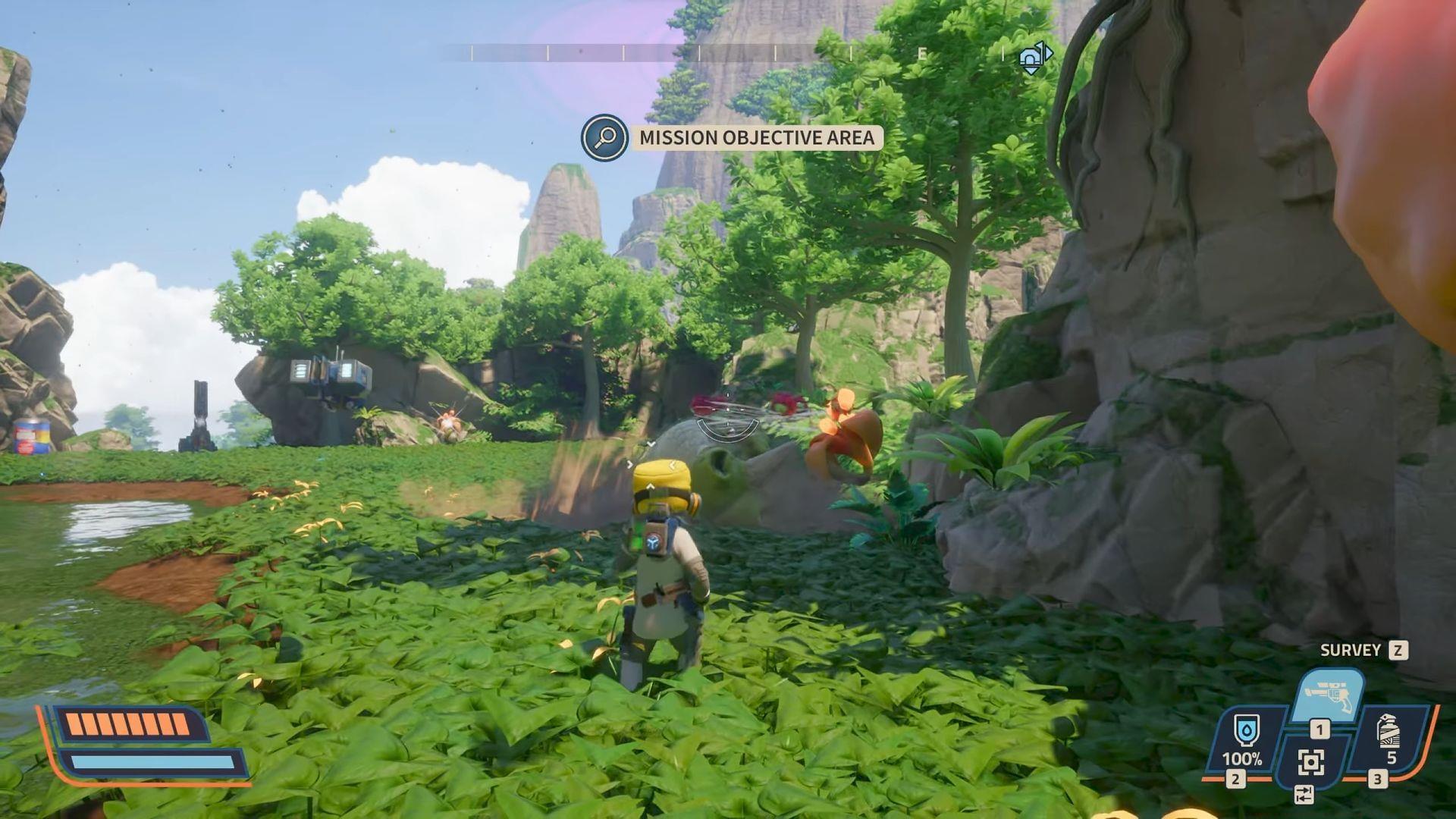
Mastering the stagger mechanic in Revenge of the Savage Planet transforms challenging capture missions into manageable encounters. This combat technique creates temporary vulnerability windows where creatures become immobilized, allowing strategic follow-up actions. Understanding that staggering isn’t about brute force but precise timing separates novice hunters from expert capturers.
Successful staggering occurs when you strike exposed weak points during specific attack animations. These vulnerable moments typically last only 2-3 seconds, requiring both anticipation and accuracy. The game provides clear visual feedback through glowing markers or distinctive color changes on creature anatomy. Learning to recognize these signals early in enemy movement patterns significantly increases your staggering success rate.
Essential Reading: Advanced strategies for defeating the Wormzilla boss in Revenge of the Savage Planet
Advanced Stagger Execution Techniques
The execution phase begins when weak spots illuminate during creature attack cycles. Rather than immediately firing, experienced players wait for the optimal moment within this window. Landing consecutive accurate hits—typically 2-3 depending on creature size and type—triggers the full stagger state. During this immobilized period, creatures may stumble, freeze completely, or display disorientation animations.
Your strategic options during stagger windows include immediate capture with the Proton Whip, dealing focused damage to specific body parts, or repositioning for follow-up attacks. Different weapon types affect stagger duration and effectiveness. Energy-based weapons often create longer stagger windows, while projectile weapons might require more precise weak spot targeting but deal additional damage during the vulnerable state.
Movement during stagger sequences proves critical. Positioning yourself at optimal lasso distance before the stagger occurs ensures you maximize the brief window. Advanced techniques involve staggering multiple creatures sequentially or using environmental elements to extend vulnerability periods. Some creatures have secondary weak spots that become accessible only after initial staggering.
Common Mistakes and Optimization Strategies
Premature firing represents the most common staggering error. Novice players often waste significant ammunition attacking before weak spots activate. Each creature type follows predictable pattern cycles—learning these rhythms allows for efficient ammo conservation. Panic firing when missing a stagger window compounds mistakes, as reloading often causes players to miss subsequent opportunities.
Optimization begins with understanding creature behavior hierarchies. Larger predators typically have longer telegraphing animations but shorter stagger windows, requiring precise timing. Smaller creatures might have quicker cycles but more frequent stagger opportunities. Recording failed attempts and analyzing timing errors dramatically improves learning curves.
Advanced optimization includes stagger chaining—using the initial stagger to position for immediately triggering a secondary stagger once the creature recovers. This technique requires understanding recovery animations and having appropriate weapons ready for follow-up weak spot targeting. Some late-game equipment specifically enhances stagger duration or weak spot visibility.
Explore additional Revenge of the Savage Planet guides:
- Comprehensive guide to obtaining Brainard in Revenge of the Savage Planet
- Mastering the In the Bag Achievement completion in Revenge of the Savage Planet
- Advanced techniques for using Dormant Fungal Receptors in Revenge of the Savage Planet
No reproduction without permission:GameCDjnh » How to Stagger a creature in Revenge of the Savage Planet Master creature staggering mechanics in Revenge of the Savage Planet with advanced timing strategies and combat optimization