
Master Fertilizer crafting in The Planet Crafter: Biolab unlocking, material farming, and advanced optimization strategies
Understanding Fertilizer’s Critical Role
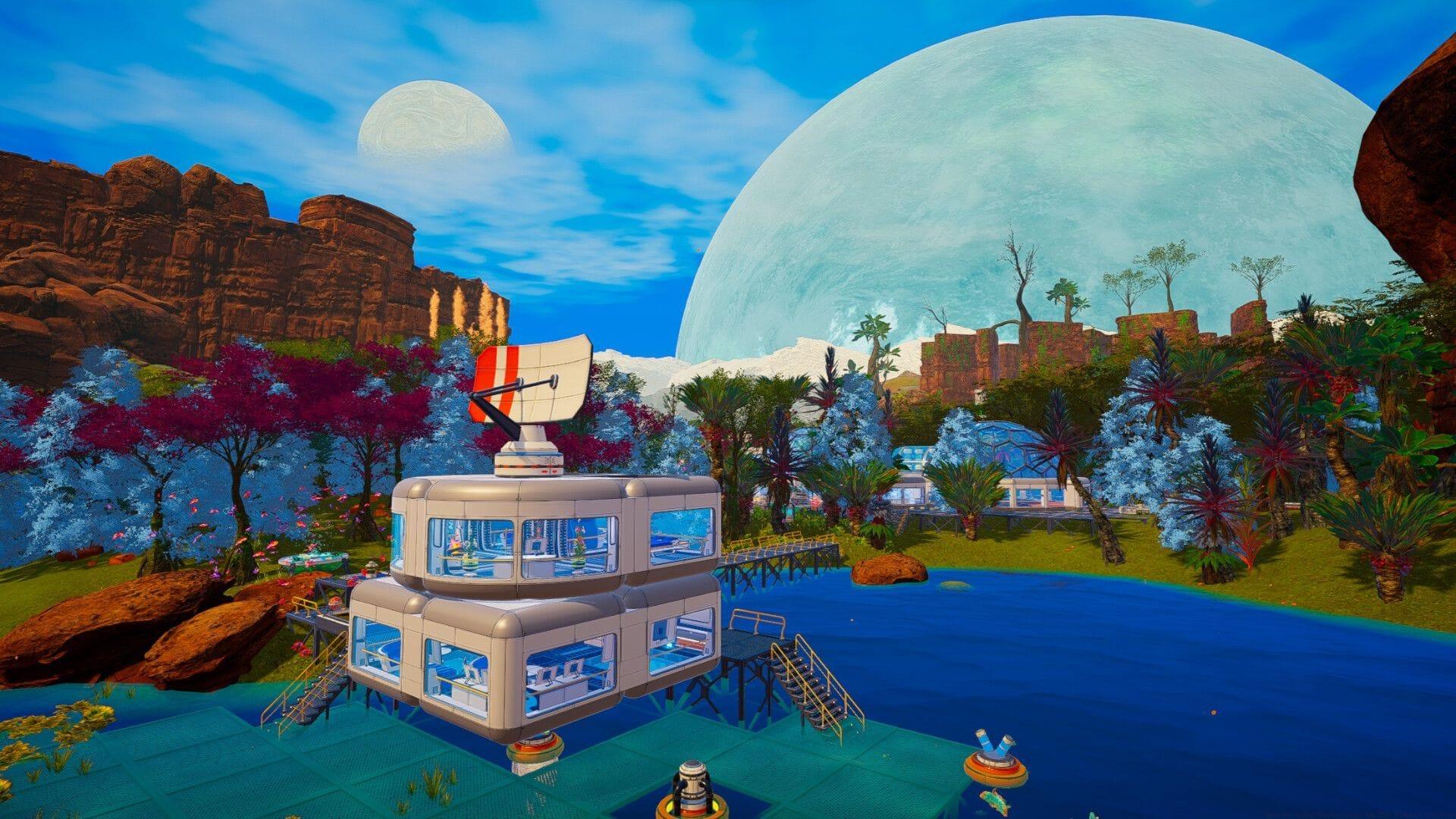
Transforming desolate planets into vibrant ecosystems in The Planet Crafter requires strategic resource management, with Fertilizer standing as a pivotal mid-game component. This essential resource enables construction of advanced biological structures including Biodomes, automated Food Growers, and specialized Rockets for atmospheric enhancement. Unlike fundamental resources available from game start, Fertilizer represents a progression milestone that demands careful preparation and systematic advancement through the terraforming stages.
Pro Tip: Plan your base layout with future Fertilizer production in mind by allocating space for multiple Food Growers near your planned Biolab location. This spatial optimization reduces transportation time between production facilities.
Unlocking the Biolab: Biomass Requirements
Achieving the 835g Biomass threshold represents a significant terraforming milestone that unlocks the Biolab blueprint. This specialized facility serves as your primary Fertilizer production center and becomes available once your planetary ecosystem demonstrates substantial biological growth. Focus on deploying Grass Spreaders and Tree Spreaders strategically across moisture-rich areas to accelerate Biomass accumulation.
Common Mistake: Many players overlook temperature and pressure requirements when trying to reach the Biomass target. Ensure your Heaters and Pressurizers are adequately leveled to support optimal plant growth conditions. Placing biological spreaders near lakes or in valleys with higher natural moisture can boost growth rates by up to 30%.
Monitor your progression through the Terraformation Index screen, paying particular attention to the Biomass graph. The transition from 500g to 835g typically represents the most challenging phase, requiring coordinated development across all terraforming metrics rather than focusing exclusively on biological growth.
Material Farming Strategies
After establishing your Biolab, systematic material collection becomes essential for sustained Fertilizer production. You’ll require consistent supplies of three key components: Eggplants from automated Food Growers, Algae from water filtration systems, and Sulfur from subterranean cave networks.
Eggplant Optimization: Establish dedicated Food Growers specifically for Fertilizer production rather than repurposing your survival food supply. This separation ensures you maintain adequate nutrition while supporting crafting needs. Each standard Food Grower can produce approximately 4-6 Eggplants per cycle when optimally placed with adequate lighting.
Algae Collection: Deploy Water Collectors near thermal vents or in high-humidity biomes for improved yield. Advanced players should consider building multiple T2 Water Collectors, which provide significantly higher Algae production rates and automatically filter water simultaneously.
Sulfur Mining: Sulfur deposits cluster primarily in cave systems, particularly the Central Cave and Ice Caves. Equip a high-capacity oxygen tank and multiple lights for extended exploration sessions. Mark sulfur-rich areas with beacons for efficient return trips, and consider building small outposts near major cave entrances to reduce travel time.
Advanced Crafting and Optimization
While crafting represents the primary Fertilizer acquisition method, experienced players can supplement production through strategic exploration. Wreckage sites and loot crates occasionally contain Fertilizer caches, providing valuable early-game boosts before full production capability.
Production Scaling: As your terraforming efforts advance, establish multiple Biolabs operating simultaneously. A well-organized production chain with dedicated resource routing can yield 10-15 Fertilizer units per hour, sufficient for rapid Biodome expansion and advanced biological projects.
Resource Balance: The initial sacrifice of Eggplants for Fertilizer production creates temporary food constraints. Mitigate this by maintaining a 3:1 ratio between food-dedicated and Fertilizer-dedicated Growers during early mid-game, gradually shifting to 1:2 as your food reserves stabilize.
End-Game Preparation: Fertilizer requirements escalate dramatically when constructing Rockets and advanced terraforming structures. Begin stockpiling once basic needs are met, aiming for a minimum reserve of 50-75 units before initiating late-game projects. This buffer prevents production bottlenecks during critical construction phases.
Exploration Note: Systematic wreckage site investigation can yield 5-10 Fertilizer units during early exploration phases, significantly accelerating initial progress. Prioritize wreckages near starting areas before venturing into more dangerous territories.
No reproduction without permission:GameCDjnh » How to make Fertilizer in The Planet Crafter Master Fertilizer crafting in The Planet Crafter: Biolab unlocking, material farming, and advanced optimization strategies