
TL;DR
- Four gem types (circle/red, square/blue, star/yellow, diamond/green) provide equipment-specific stat bonuses
- Gem enhancement requires strategic EXP management with exponentially increasing costs per level
- Gem removal at blacksmiths incurs fees and level downgrades, making placement decisions crucial
- Death causes inventory gem loss, requiring careful risk management during dangerous content
- Alchemists can remove negative stat bonuses, optimizing your gem configurations
When diving into tree of savior as a new player, understanding the gem system becomes essential for character progression. Unlike traditional jewelry systems, TOS gems serve as primary equipment customization tools available from early levels. The game features four distinct gem categories: circle gems (red) for offensive boosts, square gems (blue) for defensive enhancements, star gems (yellow) for utility improvements, and diamond gems (green) for specialized stat modifications. Each gem type provides unique stat bonuses that vary significantly depending on which equipment slot they occupy—weapons, armor, and accessories each interact differently with gem properties.
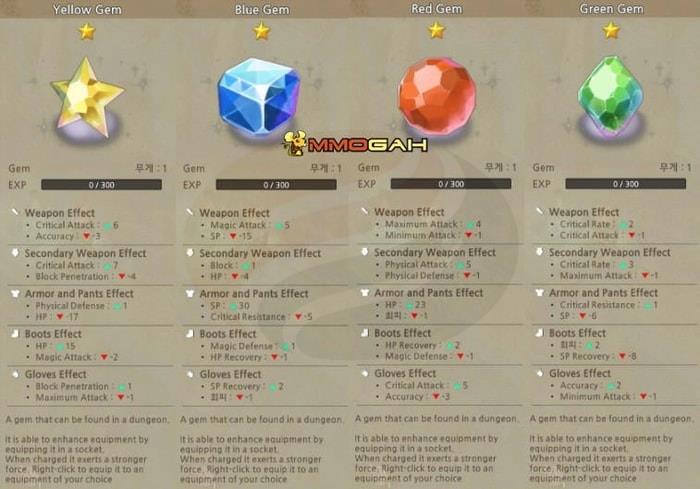
For optimal performance, prioritize red gems in weapon slots where they provide substantial attack bonuses. A level one red gem typically grants +4 maximum attack while reducing minimum attack by -1, creating a risk-reward dynamic. Blue gems excel in armor pieces, offering defensive stats like physical or magical defense. Understanding these slot-dependent interactions early prevents wasted resources and ensures efficient character building throughout your TOS journey.
The gem enhancement process in Tree of Savior follows an exponential EXP requirement curve that demands strategic planning. Begin by accessing the gem enhancement interface through your character menu. You can level gems using two primary methods: sacrificing other gems for EXP or utilizing miscellaneous materials gathered during adventures. Each level one gem provides 100 EXP when used as enhancement material, meaning fusing three level one gems yields the 300 EXP needed for a level two upgrade.
The progression difficulty increases dramatically with each level. While level two requires only 300 EXP, level three demands 900 EXP, and level four escalates to 2700 EXP. This tripling pattern continues, making high-level gem enhancement a significant resource investment. Many players underestimate the material requirements for reaching level five gems, which need 8100 EXP—equivalent to sacrificing 81 level one gems.
Optimize your enhancement strategy by identifying which materials provide the best EXP-to-value ratio. Common beginner mistakes include using rare materials for gem enhancement when they’re better utilized for other crafting purposes. Always evaluate whether the stat gains justify the resource expenditure, especially for marginal improvements at higher enhancement levels.
Gem management extends beyond simple enhancement to include strategic removal and risk assessment. The most critical consideration involves the death penalty system—upon character death, all gems in your inventory will drop, while socketed gems remain safe. This mechanic makes inventory management crucial during dangerous content like dungeons or world bosses.
Removing gems from equipment requires visiting a blacksmith and paying removal fees. The process carries an additional penalty: extracted gems downgrade by one level. Removing a level one gem destroys it completely, while higher-level gems revert to their previous tier. This system emphasizes the importance of careful initial gem placement decisions.
Fortunately, alchemists provide solutions for optimizing gem configurations. They can remove negative stat bonuses from gems, transforming suboptimal choices into powerful assets. Plan your gem strategies around these services, scheduling blacksmith and alchemist visits as part of your regular gameplay routine to minimize downtime and resource waste.
Applying gems to equipment follows a straightforward process: right-click the gem in your inventory, then left-click the target equipment. The system may seem complex initially but becomes intuitive with practice. Socketing gems directly from inventory eliminates unnecessary NPC visits, streamlining your equipment optimization process.
For new players, focus on obtaining and enhancing red gems for your primary weapon during early levels. The attack bonuses significantly impact clearing speed and progression efficiency. As you reach mid-game content, diversify your gem portfolio to include blue gems for survival in challenging encounters.
Advanced players should consider gem configurations tailored to specific content—prioritizing damage for solo play while balancing defense and utility for party scenarios. Proper gem management becomes increasingly important for maintaining competitive performance as you approach end-game content where marginal optimizations create significant advantages.
This comprehensive guide should equip you with essential gem system knowledge. Additionally, Mmogah offers affordable tos silver (tree of savior silver kaufen) services to support your progression. Beyond gems, managing your tree of savior silver economy and utilizing tos power leveling services can accelerate your journey through TOS’s expansive content.
Action Checklist
- Identify optimal gem types for your class and playstyle
- Enhance red gems to level 2 for your main weapon
- Socket all valuable gems into equipment to prevent inventory loss upon death
- Visit alchemist to remove negative stat bonuses from equipped gems
- Plan gem removal strategies before equipment upgrades to minimize costs
No reproduction without permission:GameCDjnh » Guide for Gem Enhancement in Tree of Savior Master Tree of Savior's gem system with expert strategies to optimize equipment and avoid costly mistakes