
Master Little Alchemy 2 with expert clay recipes, strategic combinations, and mythological discoveries for maximum gaming success
Understanding Little Alchemy 2’s Core Mechanics
The magical practice of transmuting substances has captivated gaming audiences across numerous titles, with alchemy systems becoming increasingly sophisticated in modern game design. From the complex physics-based interactions in Noita to the expansive crafting systems of Skyrim, players consistently demonstrate fascination with experimental combination mechanics.
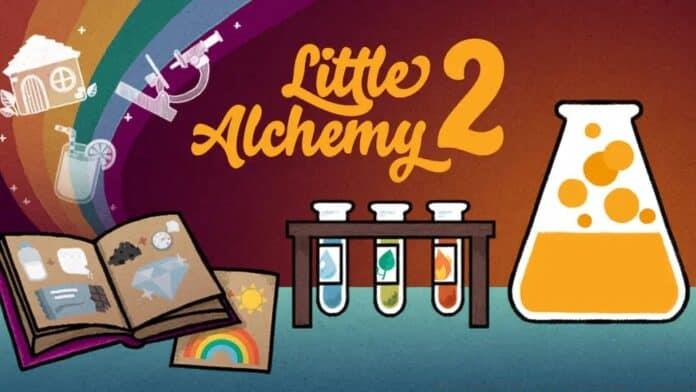
Little Alchemy 2 distills this alchemical essence into its purest digital form, available across browser, mobile, and PC platforms. Beginning with just four primordial elements—air, earth, fire, and water—players embark on a journey of discovery, transforming basic components into hundreds of sophisticated items ranging from simple materials like clay to elaborate constructs such as mythical characters.
Similar to technology trees in strategy games, progression follows a logical escalation from fundamental ingredients to advanced recipes. The game’s design philosophy centers on clay as both literal and metaphorical foundation, enabling incremental discoveries from basic pottery to complex urban developments. This structured experimentation creates an engaging loop that rewards curiosity and systematic thinking.
Clay Creation: Multiple Pathways and Techniques
Mastering clay production represents a critical milestone in Little Alchemy 2, with this versatile material serving as gateway to numerous advanced discoveries. Understanding the multiple synthesis paths—seven distinct recipes total—empowers players to approach combinations strategically rather than randomly.
The foundational four-step method provides the most reliable clay production pathway:
Advanced players should note that accidental steam creation represents the most common beginner mistake. When cooling lava, always select air rather than water to avoid derailing your clay production. Alternative clay recipes include combining pottery with stone or mud with mineral, but the elemental method remains most efficient for early-game progression.
Advanced Clay Applications and Building Systems
Once mastered, clay becomes your primary construction material, unlocking extensive architectural possibilities. The most immediate application involves brick production through clay-fire combination, initiating a building progression chain that transforms simple materials into complex structures.
Bricks serve as fundamental construction units that combine to form walls, with dual walls merging to create houses. This architectural tech tree continues expanding, enabling creation of villages, cities, and eventually skyscrapers—each advancement opening new combination possibilities. Strategic players should stockpile clay early, as construction projects typically require multiple iterations of the material.
Beyond basic architecture, clay facilitates tool creation when combined with metal or wheel, and enables ceramic production through clay-fire double application. These secondary progressions demonstrate the material’s versatility beyond mere construction, serving multiple advancement paths simultaneously.
Mythological and Creative Clay Combinations
Little Alchemy 2 beautifully incorporates mythological themes surrounding clay’s historical significance in creation stories worldwide. The material frequently appears in cultural narratives about artificial life, reflected through several imaginative in-game combinations.
Players can animate clay by infusing it with narrative essence—combining clay with story or legend conjures a golem, referencing Jewish folklore about clay beings brought to life through mystical means. Similarly, merging clay with life force produces humans, echoing numerous creation myths where deities sculpt humanity from earthly materials.
These mythological combinations demonstrate the game’s depth beyond simple material transmutation, encouraging players to consider cultural and symbolic relationships between elements. Experimenting with clay in conjunction with abstract concepts often yields surprising discoveries that reward creative thinking over straightforward logic.
Pro Tips and Optimization Strategies
Maximizing your Little Alchemy 2 experience requires strategic approaches beyond basic combination discovery. For clay-focused advancement, prioritize creating multiple clay units early—this versatile resource bottlenecks numerous progression paths, so stockpiling prevents later interruptions.
Avoid the common frustration of accidental steam creation by developing disciplined combination habits: always use air rather than water when transforming lava to stone. This specific mistake represents the most frequent roadblock for newcomers mastering clay production.
Advanced optimization involves leveraging clay’s seven recipes situationally. While the elemental method works reliably, alternative paths like clay+tool=pottery become valuable when you’ve already discovered related elements. For mythological creations, remember that clay combines with both concrete concepts (brick, pottery) and abstract ideas (story, life)—exploring both dimensions accelerates discovery.
The game’s availability across Android, iOS, and PC platforms enables seamless progression across devices. Cloud saving facilitates continued experimentation during spare moments, making Little Alchemy 2 perfect for both extended sessions and brief creative breaks throughout your day.
No reproduction without permission:GameCDjnh » How to Make Clay In Little Alchemy 2? Answered Master Little Alchemy 2 with expert clay recipes, strategic combinations, and mythological discoveries for maximum gaming success