
Master Fire Emblem Engage’s combat system with essential stat explanations and advanced optimization strategies
Understanding Core Combat Statistics
Building an effective army in Fire Emblem Engage requires deep understanding of each character’s statistical profile and how these numbers translate to battlefield performance. Unlike simpler RPG systems, Engage features interconnected stats that create complex tactical considerations for team composition and unit deployment.
Each warrior possesses unique base statistics that evolve through level progression, influenced by individual growth rates that determine how quickly specific attributes improve. These growth patterns create distinct character specializations, making some units naturally suited for frontline combat while others excel at magical support or ranged assaults.
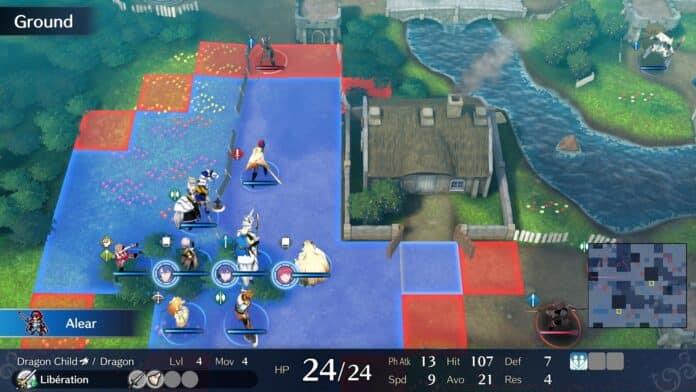
Primary Character Attributes
- HP:
- Represents a unit’s vitality and determines how much damage they can sustain before falling in battle. Higher HP allows characters to absorb more attacks, making them ideal frontline tanks.
- BLD: Build
- Governs a unit’s physical constitution and weight capacity, affecting their ability to wield heavier weapons without speed penalties. Characters with low Build may struggle with powerful axes and lances.
- STR: Strength
- Directly influences physical damage output with weapons like swords, axes, and lances. Essential for melee combatants who rely on brute force to overcome enemies.
- MAG: Magic
- Determines potency of magical attacks and healing spells. Critical for mages, healers, and hybrid classes that utilize tome weapons and staves in combat.
- DEX: Dexterity
- Affects accuracy, critical hit probability, and special attack effectiveness. High Dexterity units consistently land attacks and trigger devastating critical strikes more frequently.
- SPD: Speed
- Controls attack frequency, determining whether units can perform follow-up attacks or avoid enemy doubles. Arguably the most important stat for avoiding damage through evasion.
- DEF: Defense
- Reduces damage taken from physical attacks like swords and arrows. High Defense characters can safely engage melee combatants without taking significant damage.
- RES: Resistance
- Mitigates damage from magical attacks and certain status effects. Crucial for surviving encounters with enemy mages and dealing with magical threats.
- LCK: Luck
- Influences critical evasion, hit rate consistency, and item discovery rates. While often overlooked, Luck provides subtle advantages throughout gameplay.
Combat Performance Metrics
- Move:
- Determines how many spaces a unit can traverse per turn, affecting positioning and battlefield mobility. Cavalry and flying units typically have higher Move values.
- Rating:
- Composite score representing a unit’s overall statistical power, calculated by summing all primary attributes. Useful for quick comparisons but doesn’t reflect specialized effectiveness.
- PH Attack:
- Total physical damage output combining Strength stat with equipped weapon’s might. This is the final number used when calculating damage against enemy Defense.
- Hit:
- Percentage chance of successfully landing an attack, influenced by Dexterity, weapon accuracy, and various combat modifiers. Low Hit rates make attacks unreliable.
- Crit:
- Probability of triggering a critical hit that triples damage output. Boosted by high Dexterity, specific skills, and weapon properties.
- Avo:
- Dodge percentage determining how likely a unit is to avoid incoming attacks entirely. Calculated primarily from Speed with contributions from Luck and terrain.
- Ddg:
- Critical avoidance rate that reduces enemy critical hit chances against your unit. Particularly important for protecting fragile characters from sudden burst damage.
- Rng:
- Attack distance determining how far a unit can strike enemies. Most melee weapons have 1 range, while bows and magic typically reach 2 or more spaces.
Advanced Stat Mechanics and Interactions
Growth Rate Dynamics and Long-Term Planning
Character development in Fire Emblem Engage follows predetermined growth patterns that significantly impact end-game viability. Each unit possesses hidden growth percentages for every stat, determining how likely they are to gain points upon leveling up. Understanding these patterns allows for strategic investment in characters with favorable growth distributions for their intended roles.
For example, units like Alfred typically exhibit strong HP and Defense growth, making them natural frontline tanks, while Céline often excels in Magic and Resistance for magical combat. Planning around these innate tendencies prevents wasted effort on characters unsuited for specific combat roles.
Stat Synergies and Combat Combinations
Successful team composition requires understanding how stats interact during combat scenarios. The relationship between Speed and Build creates critical tactical considerations – units with high Speed but low Build may still suffer attack speed penalties when wielding heavy weapons, potentially losing their ability to double attack enemies.
The damage calculation formula demonstrates another key interaction: (STR/MAG + Weapon Might) – Enemy DEF/RES. This means that stacking massive Strength matters little if you cannot penetrate enemy Defense, highlighting the importance of balanced stat development rather than single-attribute specialization.
Class-Specific Optimization Strategies
Different character classes benefit disproportionately from specific stat investments. Swordmasters thrive with high Speed and Dexterity for consistent critical hits, while Generals prioritize Defense and HP to withstand enemy assaults. Advanced players should consider secondary class options that complement a unit’s natural stat growth patterns.
Emblem ring synchronization introduces another layer of stat optimization, with certain emblems providing massive bonuses to specific attributes. Pairing units with emblems that enhance their already strong stats creates specialized powerhouses, while using emblems to patch statistical weaknesses creates more versatile combatants.
Practical Implementation Guide
Team Composition and Role Distribution
Building a balanced army requires distributing statistical strengths across different unit types. Aim for a mix of high-Defense frontliners, high-Resistance magic tanks, high-Speed damage dealers, and supportive units with balanced stats. Avoid over-specialization that leaves your team vulnerable to specific enemy types.
A common mistake is neglecting Speed in favor of raw damage stats, resulting in units that get doubled by faster enemies and take twice as much damage. Always ensure your frontline units have sufficient Speed to avoid this punishing mechanic, even if it means sacrificing some offensive power.
Common Statistical Pitfalls and Solutions
New players often misunderstand Build’s importance, equipping powerful weapons that reduce their attack speed below effective thresholds. Calculate your attack speed as Speed – (Weapon Weight – Build) to ensure you maintain combat effectiveness. If this value drops significantly, consider lighter weapons or Build-increasing items.
Another frequent error involves overvaluing the composite Rating stat while ignoring individual attribute distributions. A unit with high overall Rating but poorly distributed stats may perform worse than a specialized unit with lower total points allocated to relevant combat attributes.
Advanced Optimization Techniques
Seasoned commanders utilize skill inheritance and emblem synchronization to create statistically perfect units. Skills like Speed +% or Strength +% can patch growth deficiencies, while emblem rings provide massive temporary stat boosts during combat. Plan your skill loadouts around covering statistical weaknesses rather than enhancing already strong areas.
Item management plays a crucial role in stat optimization. Permanent stat boosters should target a unit’s most important combat attributes rather than being distributed evenly. Give Energy Drops to your primary damage dealers, Speedwings to units barely missing doubling thresholds, and Talismans to magic tanks facing frequent spellcaster encounters.
No reproduction without permission:GameCDjnh » Fire Emblem Engage All Stats and Their Meaning Master Fire Emblem Engage's combat system with essential stat explanations and advanced optimization strategies