
TL;DR
- Mud blocks spawn naturally in Mangrove Swamp biomes and can be harvested efficiently with any shovel
- Create mud manually using water bottles on dirt blocks, including coarse and rooted dirt variants
- Transform mud into decorative blocks, building materials, and even clay through specific crafting recipes
- Utilize mud’s unique sinking property for aesthetic builds and automated item collection systems
- Combine mud with stalactites to produce clay blocks, expanding your terracotta crafting options
Minecraft continues to evolve with each major update, introducing game-changing elements that expand creative possibilities. The 1.19 “The Wild” update brought mud blocks into the sandbox universe, offering builders and crafters innovative material options. These versatile blocks serve multiple functions beyond basic construction, from decorative applications to advanced redstone-compatible mechanics.
Understanding mud’s full potential requires knowledge of both natural acquisition and manual production methods. This comprehensive guide covers everything from biome exploration to advanced crafting techniques, ensuring you maximize this resource’s creative and functional applications throughout your Minecraft journey.
Locating Mangrove Swamp Biomes
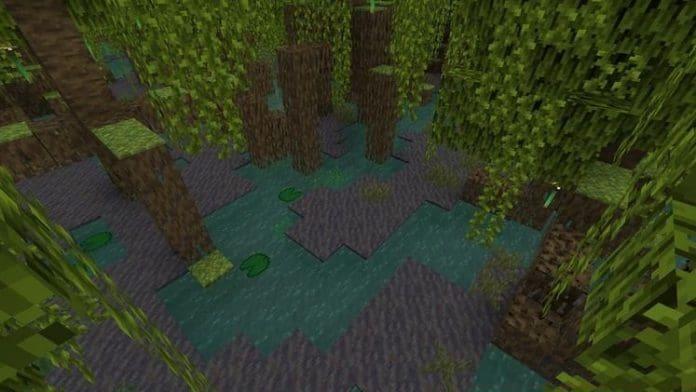
Mud blocks generate abundantly throughout Mangrove Swamp biomes, which typically appear in warm climate zones near jungle and desert regions. These distinctive swamps feature mangrove trees with extensive root systems growing directly from mud patches. The blocks display a darker, richer brown coloration compared to standard dirt, making them visually identifiable even from distance.
For efficient harvesting, equip any shovel—whether wood, stone, iron, diamond, or netherite—to significantly accelerate collection. While hand-mining remains possible, shovel usage reduces collection time by approximately 70%. Strategic biome exploration early in gameplay ensures ample mud reserves for future building projects and crafting requirements.
Pro Tip: Mangrove Swamps often border river biomes and feature distinctive blue-green water coloration. Listen for frog croaking sounds as auditory cues when exploring potential swamp locations during exploration phases.
Crafting Mud from Dirt Blocks
When natural sources prove inaccessible, mud production through crafting provides a reliable alternative. Using a water bottle on any dirt block variant—including standard dirt, coarse dirt, and rooted dirt—transforms the block into mud through a simple right-click interaction. This method proves particularly valuable when building in biomes where Mangrove Swamps remain undiscovered or distant from your primary base location.
Water bottles create mud without consumption, allowing repeated use from a single bottle. For mass production, establish an automated dirt farm near water sources and maintain multiple water bottles in your inventory. This approach enables rapid mud generation regardless of your current biome location or exploration progress.
Common Mistake Alert: Attempting to use water buckets instead of bottles won’t create mud—this common confusion wastes time. Always craft glass bottles and fill them at water sources specifically for mud production purposes.
Building Material Transformations
Mud serves as the foundation for multiple decorative and structural blocks through straightforward crafting recipes. Combine mud with mangrove roots to create Muddy Mangrove Roots, offering textured building options with distinctive visual appeal. Alternatively, mix mud with wheat to produce Packed Mud blocks, which feature a compressed, smoother appearance ideal for rustic construction projects.
Packed Mud unlocks further crafting potential through conversion to Mud Bricks—versatile building blocks that can be fashioned into slabs, stairs, and walls. These materials introduce earthy architectural options that complement desert, jungle, and medieval building themes. The warm terracotta-like coloration blends beautifully with various wood types and stone variants for cohesive structural designs.
Architectural Insight: Mud bricks offer superior blast resistance compared to mud blocks, making them preferable for defensive structures and explosion-prone areas near creepers or TNT-based farms in your Minecraft world.
Clay Production and Entity Interactions
Mud blocks possess the unique ability to transform into clay when positioned above a block featuring a stalactite (pointed dripstone). This conversion occurs gradually as the stalactite draws moisture from the mud, providing renewable clay sources without requiring riverbed exploration. The resulting clay blocks can be harvested for clay balls and subsequently fired into terracotta, expanding decorative possibilities.
Unlike full blocks, mud features distinctive entity interaction properties. Characters and mobs sink slightly into mud surfaces, creating footprint-like impressions without movement impairment—unlike soul sand which slows entity speed. This sinking property enables creative landscaping for swampland builds and path creation.
Falling blocks including sand and gravel convert to item form upon mud contact, while hoppers positioned beneath mud blocks automatically collect items dropped on the surface. This mechanic facilitates automated farming systems and item collection designs without complex redstone circuitry requirements.
Technical Application: Use mud blocks beneath sand or gravel generators to create automatic resource collection systems, eliminating manual harvesting from falling block towers in your industrial Minecraft operations.
Action Checklist
- Explore warm biomes for Mangrove Swamps, listening for frog sounds as location cues
- Craft iron shovel for optimal mud harvesting efficiency in located swamp biomes
- Create glass bottles and fill with water for manual mud production away from swamps
- Establish mud-to-clay conversion system using pointed dripstone for terracotta production
- Design automated item collection using mud blocks with hoppers beneath falling block generators
No reproduction without permission:GameCDjnh » How to Get Mud In Minecraft and Its Uses Master Minecraft mud mechanics: locate natural sources, craft efficiently, and build unique structures with this versatile block