
Master sensor farming in Arc Raiders with advanced strategies, location optimization, and efficient crafting workflows
Understanding Sensors: More Than Just Crafting Materials
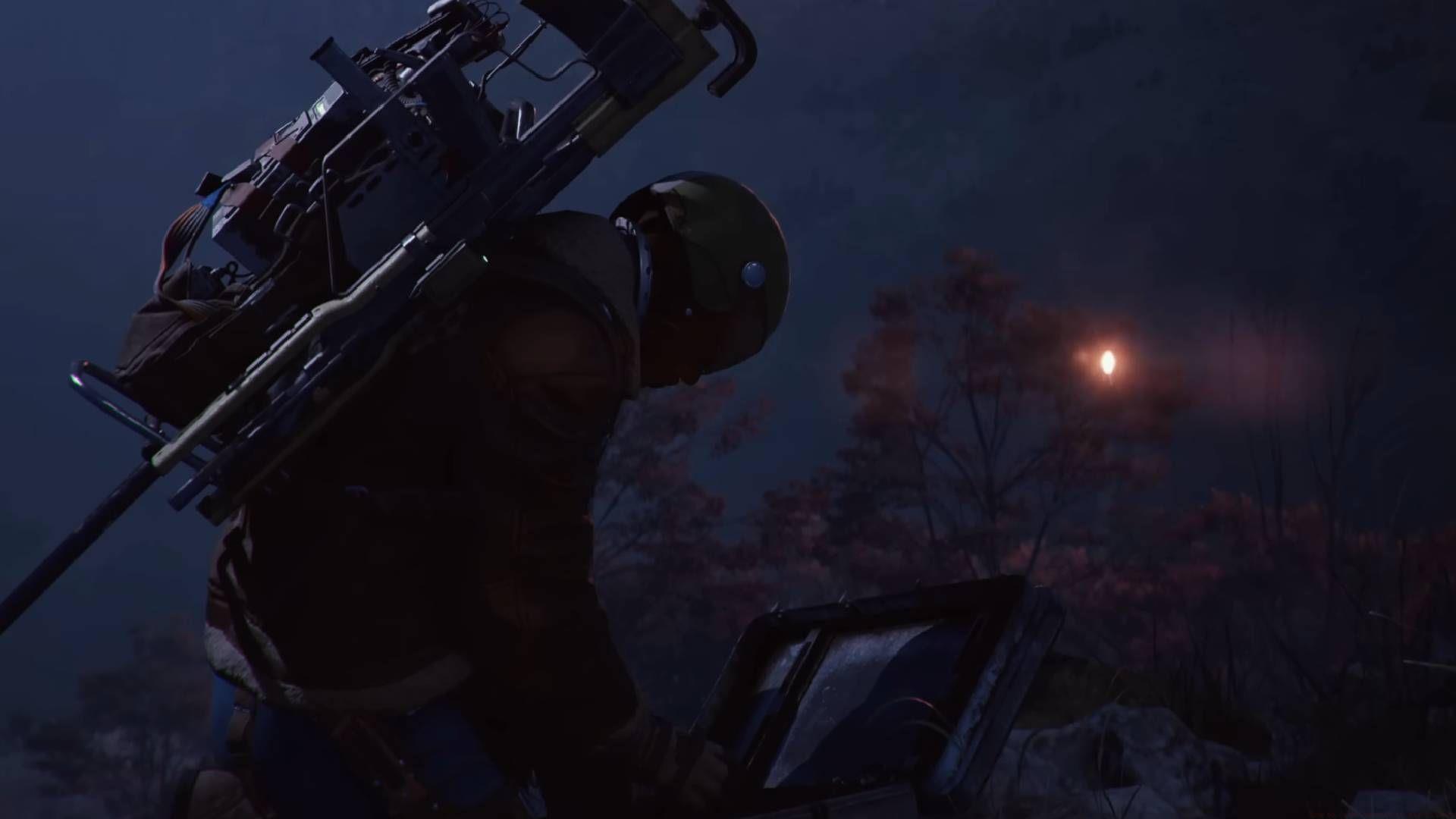
Arc Raiders presents players with a diverse array of discoverable items throughout its hostile environments, with Sensors representing a critical tier-2 crafting component. Unlike basic materials, sensors function as specialized electronic components required for advanced equipment manufacturing. Their importance escalates dramatically during mid-to-late game progression where explosive devices and security tools become essential for mission completion.
Understanding sensor mechanics begins with recognizing their spawn behavior. Similar to most high-value loot in Arc Raiders, sensors follow dynamic spawning algorithms rather than fixed locations. This design intentionally prevents repetitive farming routes and encourages exploration-based gameplay. The randomization ensures each expedition feels distinct while rewarding thorough investigation of environmental containers.
Pro Tip: Begin sensor collection earlier than you think necessary. Most players underestimate how many sensors later crafting recipes require, leading to progression bottlenecks.
Strategic Location Analysis: Where Sensors Spawn
The most effective sensor acquisition methodology combines map intelligence with systematic container searching. Begin each farming session by opening your tactical map and marking potential high-value locations based on building types and container density. This preparatory step transforms random searching into targeted collection operations.
When operating within the Control Tower complex, prioritize vertical exploration. Access the upper floors via the building’s zip line transportation system, where you’ll discover concentrated clusters of breachable security lockers. These specialized containers exhibit significantly higher sensor drop rates compared to standard containers found on lower levels. The vertical design intentionally rewards players who explore beyond ground floor areas.
The Research and Administration building presents alternative farming opportunities through its technological security containers. These distinctive blue-and-silver containers contain specialized electronic components and have documented higher sensor yield percentages. While exploring secondary structures, maintain awareness that sensor distribution follows pseudo-random algorithms—sometimes you’ll discover clusters in unexpected locations that other players might overlook.
Advanced Strategy: On the Blue Gate operational map, establish a farming circuit between Raiser’s Refuge and Reinforced Reception. This optimized route maximizes container checks per minute while maintaining defensive positioning opportunities.
For players operating on the Blue Gate tactical map, establish a reconnaissance pattern near the Raiser’s Refuge operational zone, particularly in proximity to Reinforced Reception. This geographical area combines manageable enemy density with above-average container concentration, creating efficient farming conditions. Multiple expeditions through this circuit can yield substantial sensor stockpiles for workshop conversion.
Advanced Farming Techniques and Optimization
Superior sensor collection requires moving beyond basic looting to implement optimized farming methodologies. Develop a scanning pattern that prioritizes technological containers over standard lockers, as their specialized nature yields better sensor returns per time invested. Always check behind obstacles and in less obvious locations—the spawning algorithm occasionally places sensors in visually obscured containers.
Common Farming Errors to Eliminate:
1. Fixed Route Dependency: Repeating identical paths reduces efficiency due to spawn randomization. Instead, adapt your route based on container availability and enemy movements.
2. Container Skipping: Even damaged or ordinary-looking containers can contain sensors. The visual appearance doesn’t always correlate with content quality.
3. Solo Overextension: Attempting to clear high-density areas alone often results in death before extraction. Balance risk with potential sensor yield.
Solo operators should focus on stealth-based collection in lower-risk zones, while squads can aggressively farm higher-yield areas through coordinated tactics. Team play enables specialization—designate one member as container specialist while others provide security. This division of labor dramatically increases sensors collected per expedition.
Efficiency Metric: Track your sensors-per-minute ratio. Optimized farming should yield 3-5 sensors per 10 minutes in moderate-risk zones, scaling with map knowledge and equipment level.
From Collection to Crafting: Practical Applications
After successful extraction with sensor acquisitions, return to Speranza and proceed directly to the workshop for material conversion. Sensors serve as primary components for several critical equipment categories that dramatically enhance mission capability.
Crafting Priority Recommendations:
1. Raider Hatch Keys: These access tools unlock restricted areas containing premium loot. Craft these first to create positive feedback loops for future farming.
2. Jump Mines: Tactical explosive devices that provide both area denial and offensive capabilities. Particularly valuable for defensive extraction scenarios.
3. Tagging Grenades: Reconnaissance tools that mark enemies through obstacles. Essential for squad coordination and avoiding ambushes.
Advanced crafting strategy involves calculating sensor-to-gear conversion efficiency. Some recipes provide greater tactical value per sensor invested—prioritize these during initial crafting sessions. Maintain a balanced inventory rather than over-investing in one equipment type, as mission requirements vary significantly.
Inventory Management Protocol: Designate specific storage containers in Speranza for sensor stockpiling. This organizational approach prevents accidental crafting material depletion and enables bulk crafting sessions when you’ve accumulated optimal quantities.
Resource Allocation Tip: Allocate 60% of sensors to essential tools (keys and mines), 30% to situational gear (grenades), and retain 10% as emergency reserve for unexpected recipe discoveries.
For comprehensive gameplay enhancement, explore these additional Arc Raiders strategic guides:
- Solo play viability analysis and tactics optimization
- Prickly Pear location mapping for healing item sustainability
- Tactical map risk assessment and navigation strategies
- Trader network unlocking and economic optimization
- Mechanical component acquisition for advanced crafting
No reproduction without permission:GameCDjnh » How to farm Sensors in Arc Raiders Master sensor farming in Arc Raiders with advanced strategies, location optimization, and efficient crafting workflows