
Complete Overwatch 2 hero guide: 43 characters, strategic roles, and expert gameplay optimization tips
Introduction to Overwatch 2’s Hero Ecosystem
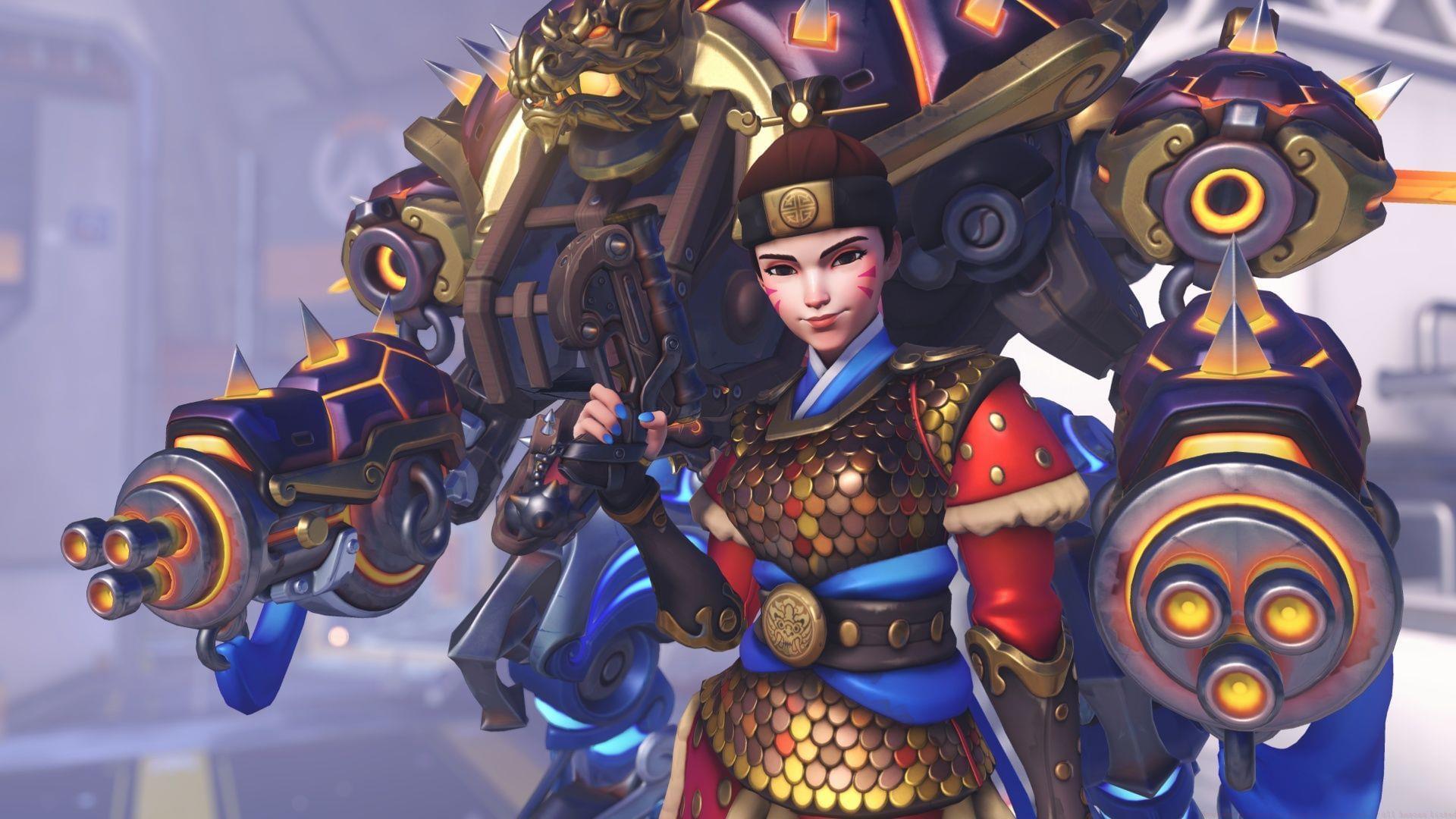
Overwatch 2 represents Blizzard Entertainment’s evolution of their acclaimed team-based shooter franchise, building upon the foundation established in 2016. The transition from Overwatch to Overwatch 2 in October 2022 marked significant gameplay refinements while maintaining the core hero-based combat system that captivated millions. This tactical shooter distinguishes itself through exceptional character design and diverse playstyles, with its roster achieving iconic status within gaming culture. Currently in Season 17, Overwatch 2 offers 43 distinct heroes, strategically distributed across three primary role categories that enable varied team compositions and tactical approaches.
The hero system forms the backbone of Overwatch 2’s strategic depth, with each character bringing unique abilities, ultimate skills, and tactical roles that complement specific team strategies. Understanding these role dynamics is essential for both new players learning the fundamentals and veterans optimizing their competitive edge.
Damage Heroes: Assault Specialists and Their Roles
The Damage category encompasses offensive specialists designed to eliminate opponents and control key areas. These heroes typically feature high mobility, burst damage potential, and specialized tools for breaking enemy formations. Mastering Damage heroes requires precise aim, strategic positioning, and understanding engagement timing to maximize effectiveness while minimizing vulnerability.
Optimal Damage hero selection depends on map geometry, enemy composition, and team strategy. Assault specialists like Soldier: 76 provide consistent ranged pressure, while flankers such as Tracer excel at disrupting backline supports. Area denial experts like Junkrat control choke points, and sniper specialists including Widowmaker can eliminate key targets from distance. Successful Damage players constantly assess threat priorities and adapt their positioning to maintain offensive pressure while avoiding unnecessary deaths.
Support Heroes: Backbone of Team Survival
Support heroes form the sustain backbone of any successful team composition, providing healing, utility effects, and strategic advantages that enable frontline durability. These characters range from pure healers like Mercy to hybrid supports such as Zenyatta who balance restoration with offensive capabilities. Understanding support synergies with tank and damage teammates dramatically improves team survival rates and ultimate economy.
Advanced support play involves predictive positioning, resource management, and threat assessment beyond simple healing metrics. Positioning near environmental cover while maintaining line-of-sight to allies, managing cooldowns for critical moments, and communicating enemy flanker positions separate competent supports from game-changers. Support ultimates often serve as teamfight determinants, making proper timing and positioning crucial for maximizing their impact.
Hero Release Timeline and Roster Evolution
Also read: Overwatch 2 Season 17: All Battle Pass skins revealed so far
The Overwatch hero roster has experienced substantial evolution since its inception. The original 2016 launch introduced 21 foundational heroes that established core gameplay archetypes. Over the subsequent four years, 11 additional characters joined the lineup, beginning with Ana as the first post-launch addition. These incremental expansions refined role diversity and introduced new strategic dimensions to team compositions.
With Overwatch 2’s debut, Sojourn inaugurated the sequel’s character additions, followed by regular hero introductions that have expanded the roster to its current 43 characters. Freja represents the most recent addition as the 43rd hero, continuing Blizzard’s pattern of annual character releases that refresh meta strategies and player engagement. This consistent expansion schedule ensures the game maintains strategic diversity while introducing new gameplay mechanics through hero abilities.
Advanced Hero Selection Strategies
Each Overwatch 2 hero contributes uniquely to both gameplay mechanics and narrative worldbuilding, with character backgrounds intertwining with match capabilities. Strategic hero selection begins with understanding map-specific advantages, counter-picking enemy compositions, and complementing teammate selections. Flexibility across multiple heroes within your preferred role significantly improves competitive performance.
Effective counter-picking involves identifying enemy win conditions and selecting heroes that disrupt their strategy. Against shield-heavy compositions, heroes with barrier-breaking capabilities gain value. Versus mobile dive comps, area denial and crowd control specialists can neutralize engagement attempts. Always consider ultimate economy interactions—some hero combinations create powerful synergy chains, while others waste overlapping resources.
Communication during hero selection phases dramatically improves team coordination. Discussing planned strategies, identifying potential counter measures, and establishing combo opportunities before matches begin creates cohesive teamplay foundations that random selections cannot replicate.
Common Hero Usage Mistakes and Solutions
For more news on Overwatch 2, follow Sportskeeda:
- How old is Kiriko in Overwatch 2?
- Overwatch 2 Season 17 patch notes
- Reaper Mythic weapon skin in Overwatch 2: All variants, price, and how to unlock
- D.Va Mythic skin in Overwatch 2: All variants, price, and how to unlock
Many players undermine their effectiveness through common mechanical and decision-making errors. Positioning too aggressively without escape options, wasting crucial cooldowns on low-value targets, and improper ultimate usage represent frequent mistakes across all skill levels. Recognizing these patterns enables conscious correction and rapid skill improvement.
Advanced optimization involves mastering ability sequencing for maximum efficiency, understanding animation cancel techniques to increase actions-per-minute, and developing situational awareness beyond immediate combat. Recording and reviewing gameplay highlights recurring mistakes that real-time play often overlooks. Focus improvement on one specific aspect per session rather than attempting comprehensive overhaul—incremental refinement creates lasting skill development.
Remember that hero mastery extends beyond mechanical execution to encompass game sense, prediction capabilities, and adaptive decision-making under pressure. The most effective players combine technical skill with strategic intelligence to outmaneuver opponents through superior planning and execution.
No reproduction without permission:GameCDjnh » How many heroes are there in Overwatch 2? All heroes listed Complete Overwatch 2 hero guide: 43 characters, strategic roles, and expert gameplay optimization tips