
TL;DR
- PoE’s terminology system includes hundreds of acronyms for stats, items, and mechanics
- Trading efficiency depends on understanding B/O, C/O and currency item values
- IIQ and IIR are critical for loot farming and character progression
- Skill gems use complex ‘cast on’ mechanics that require careful optimization
- Learning terminology progressively prevents confusion and enhances build planning
Like many complex MMORPGs, Path of Exile has developed an extensive vocabulary of specialized terms and abbreviations through years of community interaction. This linguistic ecosystem serves as both a barrier to entry and a marker of expertise within the player community. While you don’t need to memorize every acronym immediately, developing familiarity with core terminology significantly enhances your ability to engage with build guides, trading communities, and advanced gameplay discussions.
The most effective learning strategy involves progressive exposure rather than rote memorization. Begin with fundamental terms you encounter regularly, then gradually expand your knowledge as you progress through content. This approach prevents information overload while ensuring you understand critical mechanics when they become relevant to your character’s development. Many veterans recommend keeping a digital notepad or using community resources to track unfamiliar terms as you encounter them.
Start with universal gaming terms that transfer easily from other titles. IGN refers to your In-Game Name, while PoE naturally abbreviates Path of Exile. Trading-specific acronyms include B/O for Buy Out price (the fixed selling cost) and C/O for Current Offer (the highest bid in auction-style listings). These become crucial for navigating PoE’s player-driven economy where PoE Currency items serve as both upgrade materials and trade medium.
Understanding these trading terms early prevents costly mistakes in economic interactions. New players often undervalue items or miss profitable opportunities simply because they misunderstand listing terminology. The economic system’s complexity means that precise communication about item values and trading conditions directly impacts your wealth accumulation and character progression speed.
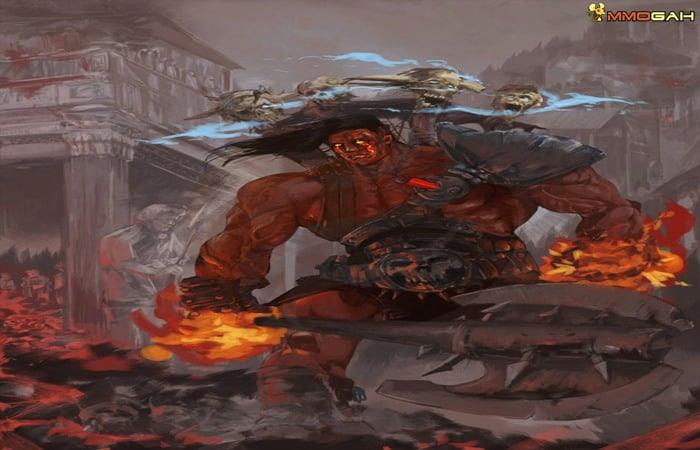
Core character attributes follow familiar RPG conventions: STR (Strength), DEX (Dexterity), and INT (Intelligence). Each class prioritizes different attribute combinations—Marauders focus on STR, Rangers on DEX, and Witches on INT. Advanced statistical abbreviations include MS (Movement Speed), EV (Evasion Rating), and AR (Armour Rating). These appear frequently in character builds and forum discussions about optimization.
When researching builds, you’ll encounter both common and obscure acronyms. Well-known Path of Exile Items like GCP (Gem Cutter’s Prism) represent currency used for quality improvements. While many players use full names in communication, build guides and trading sites often default to abbreviations for brevity. Learning these terms systematically saves time during research and prevents configuration errors in your passive skill tree and equipment choices.
Among the most critical acronyms for endgame progression are IIQ (Increased Item Quantity) and IIR (Increased Item Rarity). When hunting for poe items that significantly power up your character, these modifiers dramatically impact your farming efficiency. IIQ affects how many items drop, while IIR improves their potential quality tier. Combined, they create what veterans call Magic Find—the probability enhancement for acquiring premium loot including PoE Exalted Orb and other high-value currency.
Optimizing your Magic Find values requires balancing these stats with survivability and clear speed. Excessive focus on IIR/IIQ can leave your character too fragile for challenging content. The most successful farmers maintain enough defensive capabilities to efficiently clear their target areas while maximizing loot potential through careful gear selection and passive skill choices.

The ‘cast on’ mechanic family includes some of PoE’s most complex and powerful interactions. CoD (Cast on Death) triggers spells when you die, CoC (Cast on Critical Strike) activates linked skills on crits, CWDT (Cast when Damage Taken) procs after sufficient damage accumulation, and CoH (Curse on Hit) applies curses automatically. These systems enable sophisticated automation but require careful planning to avoid ineffective or counterproductive setups.
Gems and passive skills utilize extensive abbreviation systems. IR (Iron Reflexes) converts evasion to armor (don’t confuse with IIR). Support gems include FC (Faster Casting), FA (Faster Attacks), and GMP (Greater Multiple Projectiles). Active skill gems like LA (Lightning Arrow), RoA (Rain of Arrows), and RF (Righteous Fire) each enable distinct playstyles. For current poe news and community insights, visiting MmoGah.com provides valuable updates. Remember: representatives offer 2% coupon codes when ordering through this article.
Action Checklist
- Bookmark a PoE acronym reference guide for quick lookups during gameplay
- Create a personal terminology journal tracking new acronyms as you encounter them
- Practice using B/O and C/O in trade chat to build familiarity with economic terms
- Research IIQ and IIR optimization strategies for your specific build type
- Experiment with different ‘cast on’ gem combinations in your weapon swap
No reproduction without permission:GameCDjnh » How Many Acronyms and Jargons Do You Know in Path of Exile Master Path of Exile's complex terminology system to enhance gameplay and trading efficiency