
TL;DR
- Ice Wall creates 4×2 formations that freeze and damage enemies upon contact
- Positioning in narrow corridors maximizes enemy clustering and continuous freeze effects
- Plague Doctor’s Bloodletting negates freeze but ice wall still provides terrain control
- Maximize ice wall skill points for increased duration and damage in corridor-heavy maps
- Use ice wall to split enemy teams and control engagement zones in PvP
The fundamental Cryomancer and Psychokino synergy revolves around strategic ice manipulation. When enemies make contact with the ice structures, they immediately suffer freezing effects and substantial damage. This occurs whenever you or party members utilize MLA spells or standard attacks against the ice formations. The interaction generates projectile patterns that can chain damage across multiple targets, including previously defeated enemies that may be resurrected. Two primary formation types enable effective targeting, with the initial pattern offering superior control through concentrated shot patterns. Mastering this class combination requires understanding both the crowd control and damage amplification aspects.
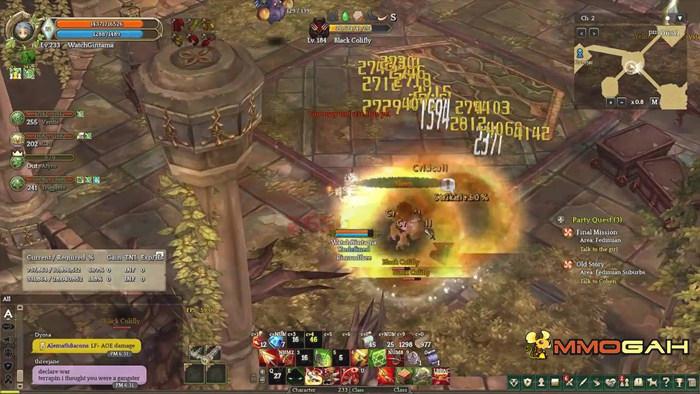
A common mistake beginners make is underestimating the area coverage of ice formations. The optimal approach involves anticipating enemy movement patterns and placing walls where they’ll naturally converge. Advanced players should note that the freeze duration scales with intelligence attributes, making stat allocation crucial for maximum effectiveness. The projectile patterns follow predictable trajectories that can be mastered with practice against different enemy types.
Strategic positioning transforms ice wall from a simple crowd control tool into a game-changing tactical asset. The formation creates a four-by-two grid directly in front of your character with additional panels extending to both sides. However, achieving maximum coverage requires subtle positional adjustments—specifically moving slightly toward the center after casting completes the optimal setup. Between the two available formations, the initial pattern consistently outperforms for focused engagements since it prevents accidental targeting of unintended areas. The secondary formation extends reach significantly but sacrifices precision control.
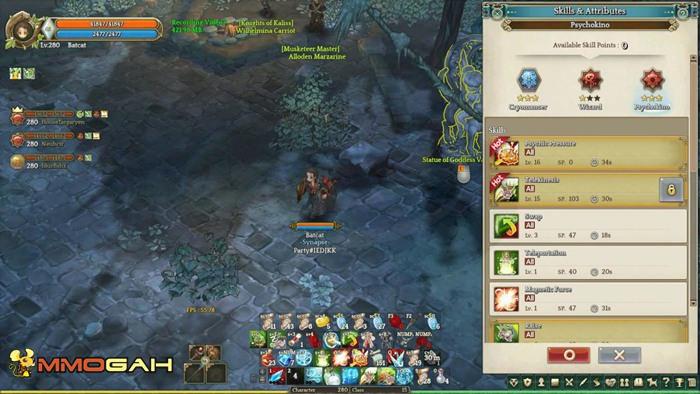
The most effective ice wall deployment occurs in confined alleyways and narrow passages where enemy units naturally cluster together. In these environments, frozen targets frequently retrigger the freeze effect immediately upon thawing, creating near-permanent crowd control loops. As demonstrated in the accompanying visual guide, you needn’t activate every panel simultaneously—selective activation conserves resources while maintaining pressure. Attempting full deployment often results in interruption and wasted cooldowns that could otherwise contribute to damage output.
Optimization tip: Time your ice wall placement during enemy ability animations when they’re committed to positions. Advanced players can predict spawn patterns in dungeon settings, pre-placing walls where new enemy waves will appear. This advanced technique typically requires 2-3 hours of practice to master but dramatically increases clear speed in endgame content.
Player versus player combat introduces complex counterplay dynamics that demand adaptive ice wall usage. Crucially, Plague Doctors possess Bloodletting, a specialized ability granting complete immunity to freeze effects and several other crowd control conditions. When facing opponents with this capability, your ice wall strategy must shift from reliance on freezing to tactical terrain manipulation. The structure remains immensely valuable for dividing enemy teams or isolating high-priority targets from their support.
Ice wall stands unique as the only skill capable of creating persistent terrain obstacles that block movement and vision. Even when freeze immunity negates the primary crowd control aspect, enemies still receive damage upon contact and face movement restrictions. The persistent nature of these structures makes them ideal for zone control in objective-based modes, functioning similarly to strategic terrain abilities in other games.
A critical advanced technique involves using partial ice wall deployments to create chokepoints rather than complete barriers. This forces enemies into predictable paths where your party can concentrate damage. Against Bloodletting users, coordinate with teammates who possess armor penetration or true damage abilities to bypass the immunity. For comprehensive PvP strategies, consult our Class Selection Guide to understand complementary class synergies.
Common PvP mistake: Placing ice walls too far from the action, allowing enemies to easily circumvent them. Optimal placement occurs 5-10 units from enemy clusters, forcing engagement on your terms. The cooldown between strategic placements typically allows for 2-3 key walls per major teamfight, with each lasting 15-20 seconds based on skill investment.
Maximizing ice wall effectiveness requires careful attribute distribution and situational awareness. Allocating maximum points to the skill significantly enhances both structural integrity and duration, making the obstacles more durable against enemy destruction attempts. The enhanced duration proves particularly decisive in dungeon environments featuring numerous corridors and confined spaces, where extended area denial creates overwhelming tactical advantages.
The terrain control capabilities draw parallels to iconic zone control abilities in other popular games, but with substantially extended duration potential. Strategic ice wall placement can single-handedly dictate engagement terms in corridor-rich maps, effectively creating temporary fortifications that disrupt enemy formations. For weapon optimization to complement this build, reference our detailed Weapons Unlock Guide to ensure your equipment synergizes with your crowd control focus.
Advanced optimization involves timing ice wall deployments with Psychokino’s telekinesis abilities to create unexpected attack angles. This advanced combination typically requires 3-4 hours of practice to execute consistently but can completely reshape battlefield flow. The skill’s game-changing potential becomes fully realized when combined with proper team coordination and map knowledge.
This comprehensive guide should significantly enhance your Cryomancer/Psychokino gameplay in Tree of Savior. If leveling presents challenges, consider Mmogah’s services—they offer safe and trustworthy tos silver alongside 100% hand work tos power leveling assistance. Their professional approach ensures account security while accelerating progression.
For those seeking broader strategic context, our Complete Guide provides additional insights into character development and endgame content strategies.
Action Checklist
- Practice ice wall formations in safe zones to master the 4×2 pattern and side extensions
- Test positioning adjustments in corridor maps to optimize enemy clustering
- Master partial deployments against Bloodletting users in PvP scenarios
- Coordinate ice wall with Psychokino telekinesis for advanced combos
- Allocate maximum skill points to ice wall and test in dungeon corridors
No reproduction without permission:GameCDjnh » Guide for Batcat’s Cryo/Kino in Tree of Savior Master Cryomancer and Psychokino synergy in Tree of Savior with advanced ice wall tactics and PvP strategies