
How Gray Zone Warfare’s dynamic weather system transforms tactical FPS gameplay with realistic challenges
Introduction to Winds of War Update
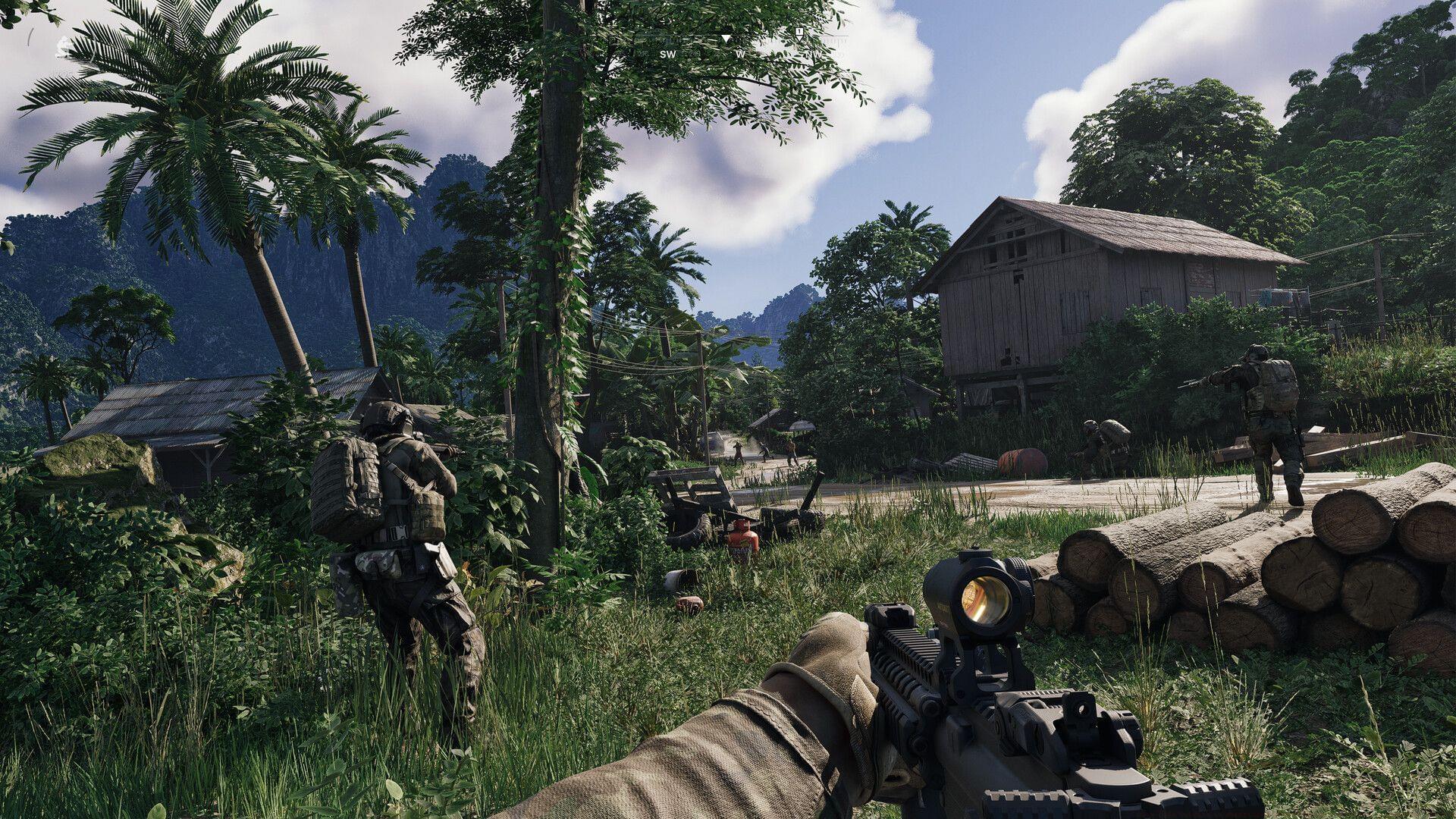
The upcoming Winds of War update represents a transformative moment for Gray Zone Warfare, moving beyond traditional first-person shooter mechanics to embrace environmental realism. This comprehensive overhaul introduces a sophisticated dynamic weather system that fundamentally alters how players approach tactical combat scenarios.
Unlike standard graphical enhancements, this weather integration directly influences core gameplay mechanics, requiring strategic adaptation and planning. The system cycles through various atmospheric conditions including rain, fog, and humidity variations, each presenting unique challenges that experienced operators must overcome.
Gameplay Impact and Mechanics
The dynamic weather implementation extends far beyond cosmetic changes, introducing tangible gameplay consequences that separate novice players from veterans. High humidity conditions create lens fogging on optical scopes, significantly reducing target acquisition capabilities at critical moments.
Rainfall affects both visibility and audio cues, masking enemy movements while making your own positioning more detectable. Wind direction and intensity influence bullet trajectory and sound propagation, requiring adjustments to ranging calculations and situational awareness.
Temperature variations impact weapon performance and character stamina, with extreme conditions affecting aiming stability and movement efficiency. These environmental factors force players to consider meteorological conditions as part of their tactical planning, much like real special operations personnel.
Advanced Tactical Strategies
Successful navigation of Gray Zone Warfare’s new weather dynamics requires strategic foresight and equipment preparation. During heavy precipitation, prioritize close-quarters engagements where optical limitations are minimized, and consider switching to iron sights or red dot sights that suffer less from condensation issues.
Foggy conditions favor stealth approaches and ambush tactics, as visibility constraints work to the advantage of patient, stationary players. Always check weather forecasts at mission start and plan your route accordingly, avoiding open areas during storms and utilizing covered approaches whenever possible.
Team coordination becomes increasingly vital in poor visibility scenarios. Establish clear communication protocols for weather-related changes and designate team members with complementary equipment loadouts to cover various environmental challenges.
Common Mistakes to Avoid
Many players underestimate how drastically weather affects their established tactics, leading to preventable failures. Avoid relying on long-range scopes during high humidity without carrying backup optics, as fogged lenses can render your primary weapon ineffective at crucial moments.
Don’t neglect audio cues in rainy conditions – the sound masking works both ways, allowing enemy squads to approach undetected if you’re not maintaining proper audio discipline. Overconfidence in familiar terrain during weather events frequently results in ambushes, as environmental changes alter traditional power positions and sightlines.
Failing to adjust movement speed and noise discipline in windy conditions often gives away positioning, as wind carries sound further while simultaneously masking your ability to hear approaching threats. Always assume weather conditions favor your opponents equally and plan accordingly.
No reproduction without permission:GameCDjnh » Gray Zone Warfare is changing gaming forever with dynamic weather update How Gray Zone Warfare's dynamic weather system transforms tactical FPS gameplay with realistic challenges