
Comprehensive guide to Natlan’s Six Heroes, Och-Kan’s downfall, and strategic lore insights for Genshin Impact players
The Rise and Fall of Och-Kan
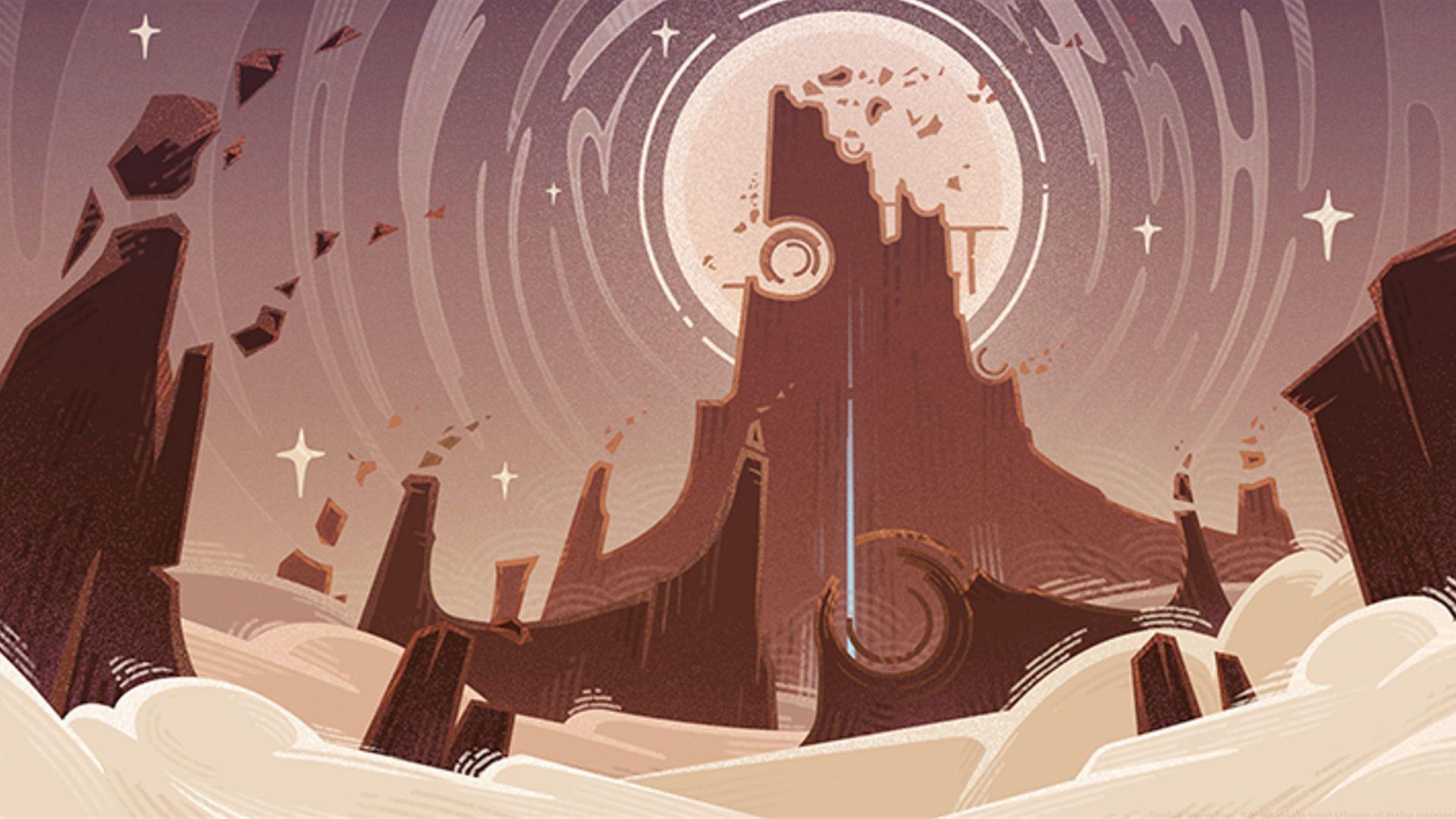
Genshin Impact’s recent Archon Quest, “Prelude Song of the Welkin Moon: The Journey Home,” provides crucial insights into Natlan’s ancient history while building anticipation for the Nod-Krai region expansion. Through carefully crafted flashback sequences, players witness how Och-Kan’s oppressive regime fundamentally shaped the political and cultural landscape of early Natlan civilization.
Strategic Insight: When analyzing these flashbacks, pay close attention to environmental details and character interactions – they often contain subtle clues about future game content and character relationships.
Och-Kan maintained dominance through systematic fearmongering and psychological manipulation rather than genuine loyalty from his subjects. His governance philosophy centered on perpetual warfare, systematic oppression, and relentless territorial expansion. This created the perfect conditions for the Six Heroes coalition to emerge as the primary resistance force protecting Natlan’s sovereignty.
Unlike typical human rulers, Och-Kan possessed extraordinary heritage as the direct descendant of Kukulkan, blessed with the Flamelord’s Blessing that granted him hybrid dragon-human physiology. His upbringing focused on a singular mission: eliminate Xiuhcoatl, the primordial Pyro Dragon, and establish unified governance combining human and dragon societies.
During his formative years, Och-Kan immersed himself in human communities, mastering draconic rituals while forming alliances with future heroes including Lianca, Ixquieh, and Xbalanque. He participated in conflicts against elder dragons, assisted in deciphering ancient draconic texts, and initially championed inspirational ideologies that attracted followers.
Common Mistake: Many players underestimate how significantly Xbalanque’s disappearance impacted the power dynamics. This event created the vacuum that enabled Och-Kan’s rapid ascent to self-proclaimed Sacred Lord status.
The subsequent period saw Och-Kan implementing radical policy shifts: terminating tributes to the Night Kingdom, banning ceremonial sacrifices, and redirecting aggression toward dragonkind through systematic persecution campaigns. His animosity toward draconic beings intensified as his physical appearance progressively manifested more draconic characteristics, marking a pivotal transformation in Genshin Impact’s historical narrative.
His metamorphosis included developing vertical pupils, golden epidermal markings, and distorted limb structures. To reinforce his authority, he commissioned extensive excavations beneath his capital city, constructing enormous mechanized constructs utilizing prohibited arcane knowledge.
In clandestine operations, he betrayed entities like Ixlel, imprisoning her essence within a draconic effigy and harnessing her energy to power his metropolitan operations. Even his father Kukulkan returned to confront him, cautioning that his actions had unleashed malevolent cosmic forces. Despite these warnings, Och-Kan remained convinced his methodology represented humanity’s only viable survival strategy, regardless of collateral damage.
The Grand Alliance and Its Structure
The Grand Alliance constituted a formally organized coalition founded by the Six Heroes, with each champion representing one of Natlan’s sovereign tribal nations. Its primary objective involved establishing Ochkanatlan as a unified state guided by collective vision. Och-Kan served as the central figurehead – a charismatic and influential leader promising to steer humanity toward prosperity. Initially, the alliance operated as a mutual defense and cooperation pact rather than a centralized military authority.
Optimization Tip: Understanding the original tribal structure helps players comprehend current faction relationships in modern Natlan, providing context for future alliance mechanics.
Within Genshin Impact’s timeline, this period signaled the commencement of Natlan’s gradual decline. However, Och-Kan’s perspective and methodology underwent significant evolution. His fixation on maintaining unity drove him to systematically eliminate opposition elements. He advocated for eliminating tribal autonomy, methodically centralizing governance under his personal control.
Following the tragic losses of Ixquieh and Ahpub – respected leaders of the Nanatzcayan and Collective of Plenty factions – their supporters were persuaded to transfer authority to the alliance under ostensibly provisional arrangements. This delegated power was never restored to its original tribal holders.
The Flower-Feather Clan, guided by First Speaker Lianca, mounted organized resistance against Och-Kan’s expanding influence. She openly defied his directives and ultimately perished during insurrection activities. Other significant figures like Uenuku of the Oceanids completely severed ties with the alliance. Yupanqui, previously an esteemed warrior, accepted the diminished position of Ordnance Officer within the Grand Alliance hierarchy but grew increasingly disillusioned with the coalition’s corrupted ideals in this Genshin Impact historical period.
Advanced Strategy: Note how character roles like Ordnance Officer may preview future gameplay mechanics or faction-specific positions in Nod-Krai content updates.
Profiles of the Six Heroes
The Six Heroes formed the foundational core of the Grand Alliance, representing legendary figures who embodied their respective tribes’ aspirations. The Archon Quest Prelude reacquaints players with two verified members through historical recollections.
Ixquieh served as chieftain of the Nanatzcayan (Children of Echoes) tribe and belonged to the original Six Heroes roster. She previously fought alongside her sibling Ahpub and Xbalanque during the rebellion against the Pyro Dragon Xiuhcoatl in Genshin Impact’s chronicled history.
Throughout the Grand Alliance era, she exercised significant leadership responsibilities. Her life concluded tragically following an intense philosophical confrontation with Ahpub, resulting in his accidental lethal action against her.
Lianca, bearer of the Ancient Name Vuka, functioned as the inaugural matriarch of the Flower-Feather Clan and occupied a crucial position among Natlan’s ancient Six Heroes. She previously journeyed with Xbalanque and Och-Kan, advocating for peaceful coexistence and ecological harmony between human and dragon societies.
She mastered the Chain Breaker artifact and gained renown for her exceptional staff combat techniques. Lianca ultimately fell in combat opposing Och-Kan, following treacherous actions by her biological son.
Practical Tip: Tracking Ancient Names like Vuka provides clues about character motivations and potential connections to current game characters through naming conventions.
Although the Archon Quest didn’t feature all Six Heroes, regional lore confirms these additional established Grand Alliance members:
- Ahpub (Ancient Name: Uwezo): Ixquieh’s twin brother. He commanded the Collective of Plenty during the Alliance period and previously battled alongside Xbalanque. After unintentionally causing his sister’s death, he committed ritual suicide by immolation.
- Yupanqui (Ancient Name: Malipo): An illustrious representative from the Huitztlan (Scions of Canopy) tribe and former associate of Xbalanque. Yupanqui occupied the Ordnance Officer position within the Grand Alliance framework and subsequently joined the Seven Heroes resistance against Och-Kan.
- Uenuku (Ancient Name: Umoja): Originating from the People of the Springs, Uenuku also accompanied Xbalanque and contributed to Alliance operations. This combatant reportedly controlled the artifact designated Footprint of the Rainbow. For undisclosed reasons, he eventually withdrew from the coalition.
Common Mistake: Players often confuse the Six Heroes with the later Seven Heroes – note that Yupanqui transitioned between these groups, indicating evolving resistance movements.
The Final Confrontation and Aftermath
The Grand Alliance’s collapse culminated in the ultimate uprising against Och-Kan’s regime. With Yupanqui’s support, an enigmatic individual known as the Scarlet-Eyed Youth emerged to contest the self-appointed Sacred Lord’s authority within Genshin Impact’s narrative.
During their decisive encounter, Och-Kan unveiled his monstrous draconic form, completely abandoning his remaining humanity. He ultimately suffered defeat and disappeared within a dark morass, presumed deceased – a critical juncture in Genshin Impact’s contemporary timeline.
Och-Kan survived the conflict’s immediate consequences by previously fragmenting his consciousness and physical manifestation. His cognitive essence became confined within the city’s central core, transforming into the entity called Cocouik, while his corporeal form mutated into the tainted dragon spirit plaguing Ochkanatlan.
Following the Cataclysm event, a youthful researcher named Bona encountered Cocouik during archaeological investigations. They collaboratively sought the Jade of Return artifact, attempting to reclaim lost elements. In Genshin Impact, the Traveler subsequently participates in this expedition through the World Quest series “Lost Traveler in the Ashen Realm,” assisting Cocouik in confronting Och-Kan’s physical remnant.
Optimization Tip: The Jade of Return likely connects to future artifact sets or gameplay mechanics – document these lore elements for potential gameplay advantages.
During the ultimate showdown, Cocouik reunites with his physical manifestation and discloses hidden truths. Och-Kan admits concealing the Golden Entreaty, an enigmatic object linked to Kukulkan’s research initiatives. Before dissipating, he transfers it to Little One (the Traveler’s saurian companion), drawing parallels between them due to shared divine blessings. His concluding statements contain only cautions, potentially representing his final redemption effort.
The narrative content in Genshin Impact’s Archon Quest Prelude, “Song of the Welkin Moon,” provided previously unknown perspectives on Natlan’s historical development. Och-Kan’s ascension and collapse illuminate contemporary tribal divisions, the Exile’s Curse origins, and the concealed history between dragon and human civilizations.
As development progresses toward Nod-Krai, players will probably discover additional remnants from this forgotten epoch, particularly sophisticated technologies previously employed by ancient draconic civilizations. These findings are rapidly becoming focal points for Fatui operations in Nod-Krai, specifically Marionette (Sandrone), whose participation received subtle暗示 during the Archon Quest narrative.
Advanced Strategy: Monitor Fatui involvement patterns – Sandrone’s interest in ancient technology suggests potential new gameplay systems or enemy types in upcoming updates.
No reproduction without permission:GameCDjnh » Genshin Impact lore: Och-Kan and the Grand Alliance of Natlan explained Comprehensive guide to Natlan's Six Heroes, Och-Kan's downfall, and strategic lore insights for Genshin Impact players