
F1 25 delivers unparalleled realism while remaining accessible to all players with groundbreaking features and refined mechanics
Unmatched Realism and Immersive Gameplay
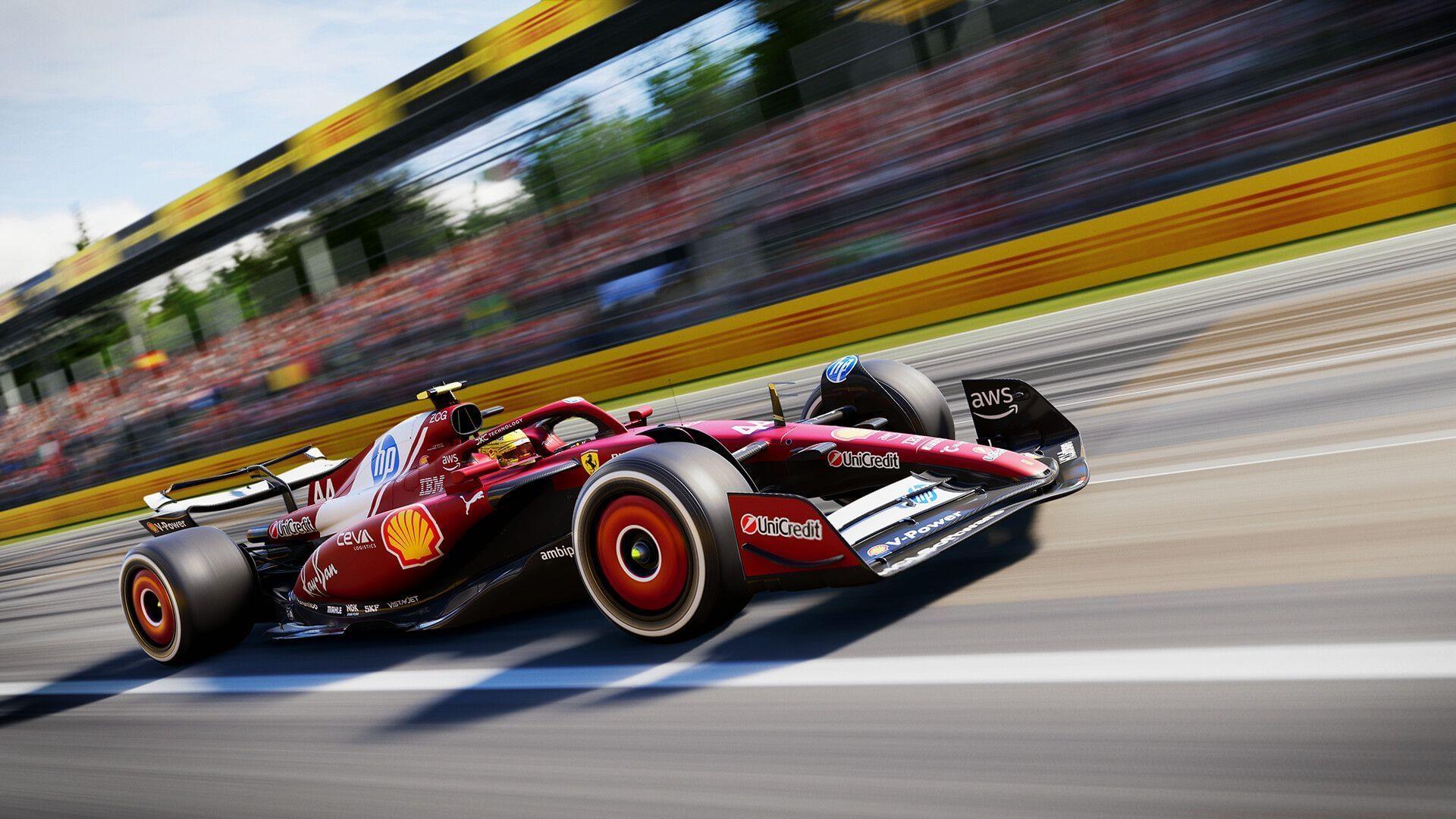
F1 25 represents a monumental leap forward in the EA and Codemasters Formula 1 franchise, delivering an experience that captures the essence of motorsport with unprecedented accuracy. The game combines cutting-edge technology with refined mechanics to create the most authentic virtual racing simulation available today. While it approaches perfection in many areas, certain limitations prevent it from achieving complete mastery of the genre.
The integration of LIDAR-scanned tracks creates an unparalleled level of precision in track recreation, providing drivers with millimeter-accurate surface details that directly impact vehicle performance and tire management. Combined with advanced physics modeling, the game simulates the complex dynamics of modern Formula 1 cars with remarkable fidelity. The team management aspects add strategic depth, though the experience varies significantly between career modes.
Looking for more gaming insights? Check out our comprehensive guides on racing game optimization and controller setup recommendations for competitive play.
F1 25 delivers exceptionally smooth gameplay that maintains consistency across various racing conditions and scenarios. The advanced LIDAR technology implemented for track scanning provides unprecedented surface accuracy, affecting everything from tire degradation to aerodynamic performance. Each circuit features unique characteristics that demand specific setup adjustments and driving techniques.
Having tested the game across multiple control methods including keyboard, DualSense controller, and professional force feedback racing wheels, it’s evident that the developers have prioritized tactile feedback and control precision. The force feedback system communicates critical information about tire grip, suspension loading, and track surface changes with remarkable clarity.
Every corner and braking zone delivers distinct haptic responses that help drivers understand grip limits and vehicle behavior. Driving over curbs generates sharp, high-frequency vibrations while off-track excursions produce deeper, more sustained feedback. Weather conditions dramatically alter handling characteristics – wet weather racing requires careful throttle modulation and earlier braking points to maintain control.
The cockpit view provides the most immersive perspective, replicating the visual experience of real F1 drivers with accurate mirror placement and limited peripheral vision. Audio engineering has seen substantial upgrades, with the 1.6-liter V6 turbocharged hybrid engines producing authentic sound profiles that change based on throttle position and gear selection. Lighting enhancements, particularly with ray tracing enabled, create realistic reflections and shadows that enhance spatial awareness.
Compared to previous iterations, the driving experience feels substantially more connected and responsive. When using a proper sim racing setup, the boundary between virtual and real racing becomes remarkably blurred. This level of authenticity explains why professional drivers increasingly utilize F1 games for circuit familiarization and race preparation.
Accessibility for All Skill Levels
Many newcomers to Formula 1 gaming hesitate to engage with the series, assuming it requires extensive sim racing experience or specialized equipment. F1 25 effectively dismantles these barriers through comprehensive accessibility options and flexible difficulty scaling. The game welcomes players of all skill levels while maintaining depth for veterans.
The AI difficulty system provides granular control over opponent performance, allowing players to fine-tune the challenge level to match their abilities. Assist settings can be customized individually, enabling newcomers to utilize stability control and automatic gearboxes while gradually reducing assistance as skills improve. This progressive learning curve prevents frustration while encouraging skill development.
Advanced players should experiment with turning off racing line assists and reducing traction control to shave precious tenths off lap times. A common mistake for beginners is over-braking into corners – focus on smooth brake release and early throttle application for better corner exit speed.
Modern gaming peripherals are not mandatory for enjoying F1 25. Controller play has been significantly optimized, with analog stick sensitivity tuned for precise steering input. Keyboard controls remain viable with proper assist configuration, though controller input generally provides superior throttle and brake modulation.
Performance optimization ensures smooth gameplay across varied hardware configurations. Testing conducted on both high-end systems (NVIDIA RTX 3080 Ti) and mid-range setups (Radeon RX Vega 64) demonstrated consistent frame rates above 60 FPS at High settings. While ray tracing remains exclusive to premium hardware, the visual experience remains impressive without it.
Reverse Tracks: The Game-Changing Innovation
Reverse track layouts represent one of F1 25’s most innovative features, fundamentally altering racing dynamics on familiar circuits. The inclusion of reversed versions of Red Bull Ring, Silverstone, and Zandvoort introduces fresh challenges that test even experienced drivers’ track knowledge and adaptability.
Long-time F1 enthusiasts initially questioned the value of reverse tracks, having memorized every straight and corner through years of observation and gameplay. However, experiencing these familiar circuits in reverse configuration reveals entirely new racing lines and overtaking opportunities. The psychological adjustment required highlights how deeply ingrained traditional track knowledge becomes.
Initial attempts at Red Bull Ring (R) frequently resulted in missed braking points and track limit violations as muscle memory conflicted with new visual cues. These mistakes, while frustrating initially, ultimately enhanced the learning experience and renewed appreciation for circuit design. The challenge reinvigorates circuits that had become predictable through repetition.
Reverse layouts have injected renewed excitement into time trial and multiplayer modes, creating demand for additional reversed circuits in future updates. The potential for reversed Monaco presents particularly intriguing possibilities – imagine navigating the famous Fairmont Hairpin in reverse, requiring completely different car setup and driving technique. This feature demonstrates the developers’ commitment to innovation within the established Formula 1 framework.
Career Mode Evolution and Limitations
Career mode remains the cornerstone of F1 25’s single-player experience, with significant enhancements to My Team management alongside noticeable shortcomings in Driver Career development. The transition from Owner-Driver to dedicated Team Principal creates deeper strategic engagement but highlights imbalances between game modes.
My Team career immerses players in the complex world of Formula 1 team management, replicating the responsibilities shouldered by figures like Toto Wolff and Christian Horner. Resource allocation becomes critically important, with early career stages forcing difficult decisions about which driver receives car upgrades. This scarcity mechanic creates authentic managerial challenges and long-term planning requirements.
Team facility development unlocks additional capabilities, eventually enabling simultaneous car development for both drivers. The system allows players to define their management philosophy – whether favoring a clear number one driver or maintaining driver equality. This flexibility enhances replay value and personal investment in team development.
The inclusion of F1 icons like Ayrton Senna and Michael Schumacher adds historical depth, though the overall driver pool feels constrained. Beyond current F1 drivers and select F2 prospects like Kush Maini, free agent options remain limited. Expanding the roster to include veteran drivers like Sergio Perez and Daniel Ricciardo would improve team building flexibility.
Driver Career mode suffers from stagnation, lacking the innovation seen in My Team. The absence of brand partnership opportunities and business development features represents missed potential. Real-world examples like Red Bull’s América Móvil partnership or Lando Norris’s entrepreneurial ventures demonstrate opportunities for deeper career progression systems.
Two-Player career modes provide compelling alternatives, with Contracts mode allowing progression from teammates to rivals while Co-Op maintains partnership throughout careers. These modes create engaging social experiences with natural competitive dynamics that stop short of the intense rivalries seen in professional motorsport.
Advanced Livery Customization
F1 25’s livery editor represents a significant leap forward in creative expression, providing unprecedented control over team identity and sponsorship integration. The revamped Decal Editor removes previous limitations while introducing new customization features that reward creative exploration.
Sponsor integration has been completely reworked, eliminating fixed logo placement positions that previously constrained design possibilities. The new system allows precise positioning of sponsor decals, enabling seamless integration with custom liveries. This flexibility prevents the visual clashes that often occurred when sponsor colors conflicted with team design schemes.
Sponsor loyalty mechanics unlock special liveries that reflect successful partnerships, mirroring real-world examples like Red Bull’s Honda tribute designs. These exclusive designs provide tangible rewards for maintaining sponsor relationships while adding visual variety to the career mode experience.
The creative process becomes increasingly engaging as designers experiment with color combinations, decal layering, and sponsor integration. Hours can be spent perfecting liveries that reflect personal style and team identity. This attention to aesthetic detail enhances emotional investment in created teams and strengthens connection to the career mode narrative.
Cinematic Storytelling Excellence
Braking Point 3.0 elevates narrative storytelling in racing games, delivering a cinematic experience that surpasses previous iterations in both production quality and emotional engagement. The return of Konnersport’s storyline after its F1 22 absence demonstrates EA’s commitment to evolving the narrative dimension of Formula 1 gaming.
The ongoing saga of Aiden Jackson, Devon Butler, and Callie Mayer creates compelling character dynamics that mirror the dramatic tensions showcased in Netflix’s Drive to Survive. Story moments blend seamlessly with gameplay, creating emotional stakes that enhance racing intensity. The narrative successfully balances personal drama with competitive racing scenarios.
F1 25 Iconic edition owners gain access to the APXGP storyline, integrating elements from the upcoming Brad Pitt F1 movie through gameplay challenges that combine actual film footage with in-game racing. This innovative cross-media approach creates unique narrative experiences that bridge cinematic and interactive storytelling.
Both narrative arcs extend beyond their contained stories through integration with My Team mode, allowing players to continue developing Konnersport and APXGP beyond the scripted narratives. This continuity strengthens player attachment to these teams and creates organic storytelling opportunities based on career mode performance and decisions.
Final Verdict and Recommendations
F1 25 stands as the most complete and technically accomplished Formula 1 simulation to date, delivering unprecedented realism while maintaining accessibility across player skill levels. The game excels in core racing mechanics, visual presentation, and innovative features like reverse tracks, though certain career mode elements prevent it from achieving perfection.
The experience caters equally to veteran sim racers and newcomers to the sport, providing appropriate challenge levels and assistance options for all players. The ability to meaningfully engage with the game using controllers or keyboards ensures broad accessibility without compromising depth for dedicated racing rig users.
While My Team career mode demonstrates significant evolution in management simulation, Driver Career requires substantial development to match its depth. The inclusion of brand partnerships, business ventures, and expanded driver contracts would create more comprehensive career progression.
F1 25 successfully captures the essence of modern Formula 1, from the technical precision of car setup to the strategic complexity of team management. The game deepens appreciation for motorsport while providing thrilling racing experiences that blur the line between virtual and reality.
Reviewed on: PC (Key provided by Electronic Arts)
Platforms: PC, Xbox Series X/S, PlayStation 5
Developer: Codemasters
Release Date: May 30, 2025
No reproduction without permission:GameCDjnh » F1 25 review: A Formula One game that knows where it’s going F1 25 delivers unparalleled realism while remaining accessible to all players with groundbreaking features and refined mechanics