
Comprehensive guide to EWC 2025 Club Championship results, eligibility rules, and strategic insights for esports organizations
Introduction to the Club Championship
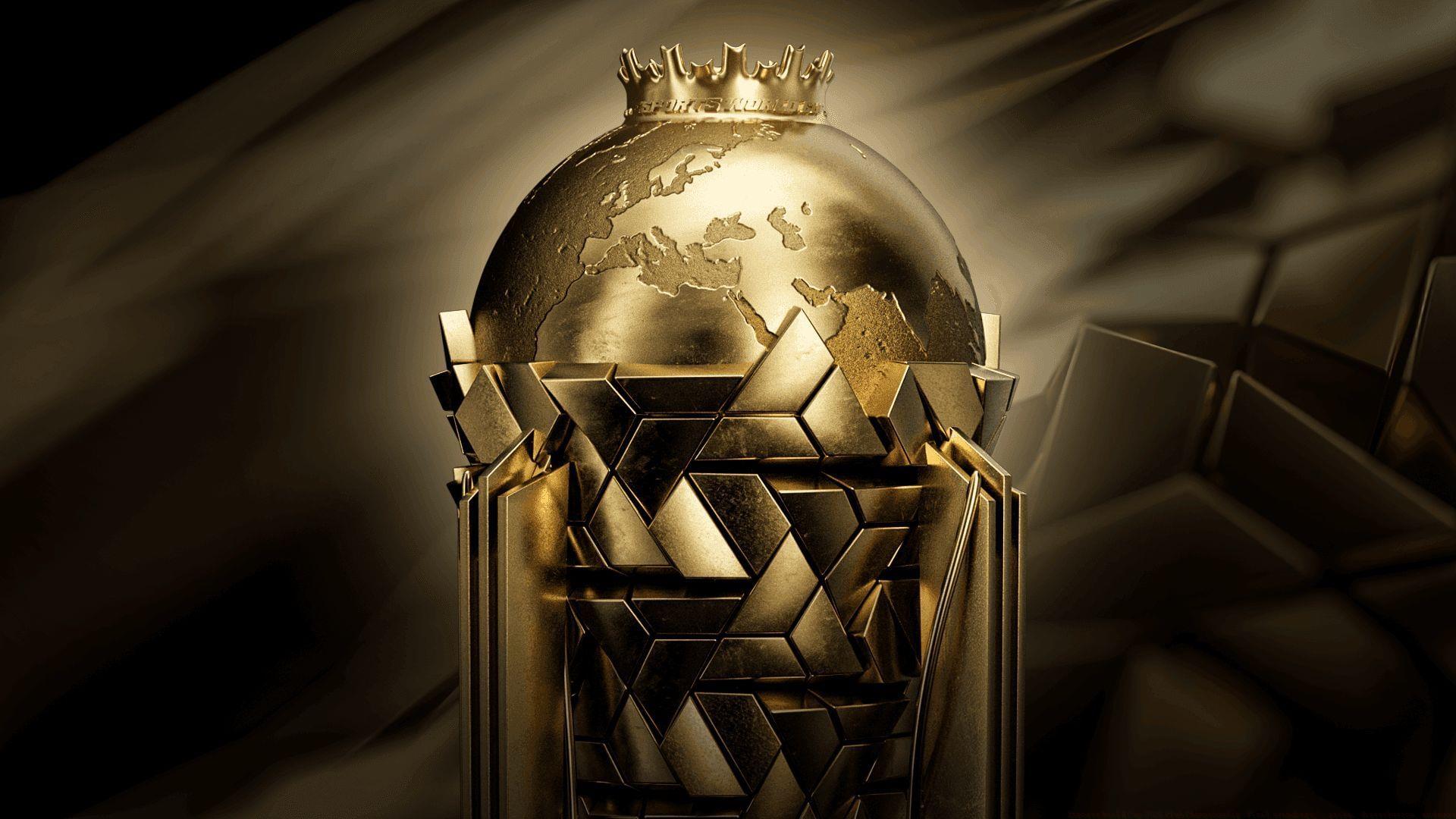
The Esports World Cup 2025 concluded with groundbreaking achievements beyond individual game prize pools. The revolutionary Club Championship introduced a $27 million prize distribution specifically designed to reward organizational excellence across multiple competitive titles. This innovative format challenged esports clubs to demonstrate consistency and versatility rather than focusing on single-game dominance.
Over thirty elite organizations received invitations to participate in this cross-title competition, creating unprecedented stakes for multi-game performance. The championship’s straightforward scoring system made it accessible while maintaining competitive integrity, establishing a new benchmark for measuring esports organizational success.
Eligibility and Qualification Criteria
Organizational eligibility for the Club Program followed rigorous evaluation criteria focusing on competitive pedigree and global influence. Selection committees assessed teams based on their competitive track records spanning multiple esports titles and their demonstrated international reach and fan engagement metrics.
Critical restrictions excluded joint venture teams from participation, creating clear organizational boundaries. For instance, while all primary Team Falcons rosters contributed points toward the Club Championship standings, the Falcons AP.Bren Mobile Legends partnership roster operated under separate eligibility rules. This distinction ensured that organizations maintained direct control over their competitive rosters to qualify for championship points.
Strategic team selection emerged as a crucial factor, with organizations needing to balance specialization versus diversification across game titles. Successful clubs typically maintained competitive rosters in 3-5 major titles while avoiding overextension that could dilute performance quality.
Points System and Scoring Mechanics
The championship employed a transparent points distribution system that heavily rewarded top placements while ensuring meaningful recognition for consistent performance. The tiered structure created clear incentives for organizations to pursue championship victories across multiple games.
Here is the comprehensive points breakdown for every game:
Additional point tiers included 600 points for 2nd place, 400 points for 3rd-4th place, and scaled rewards down to the 8th position. This structure emphasized the tremendous value of championship victories while still rewarding organizations that consistently reached later tournament stages.
Crucially, teams only qualified for Club Championship rewards by achieving top-eight finishes in at least two different games or securing at least one tournament championship victory. This requirement prevented organizations from relying on single-game dominance and encouraged diversified competitive investments.
Strategic Implications for Organizations
The Club Championship format has profound implications for how esports organizations structure their competitive operations. Forward-thinking clubs now prioritize developing competitive depth across multiple titles rather than concentrating resources on single-game supremacy.
Common strategic mistakes include over-investing in one dominant title while neglecting secondary games, failing to understand the specific point thresholds needed for qualification, and mismanaging roster transitions between tournament cycles. Successful organizations typically maintain core rosters in 2-3 primary titles while developing emerging talent in additional games.
Advanced optimization strategies involve strategic game selection based on organizational strengths, careful timing of roster acquisitions to align with championship cycles, and developing coaching infrastructure that can support multiple game titles simultaneously. Organizations that master cross-title coordination gain significant advantages in the Club Championship standings.
The Esports World Cup 2025 Club Championship establishes a new paradigm for evaluating organizational success in competitive gaming, rewarding versatility and strategic planning alongside competitive excellence.
No reproduction without permission:GameCDjnh » Esports World Cup 2025 Club Championship: Final standings, prize distribution, and more Comprehensive guide to EWC 2025 Club Championship results, eligibility rules, and strategic insights for esports organizations