
Exclusive insights from Dragon Quest HD-2D Remake developer on trilogy completion, design choices, and future possibilities
The Vision Behind the Remakes
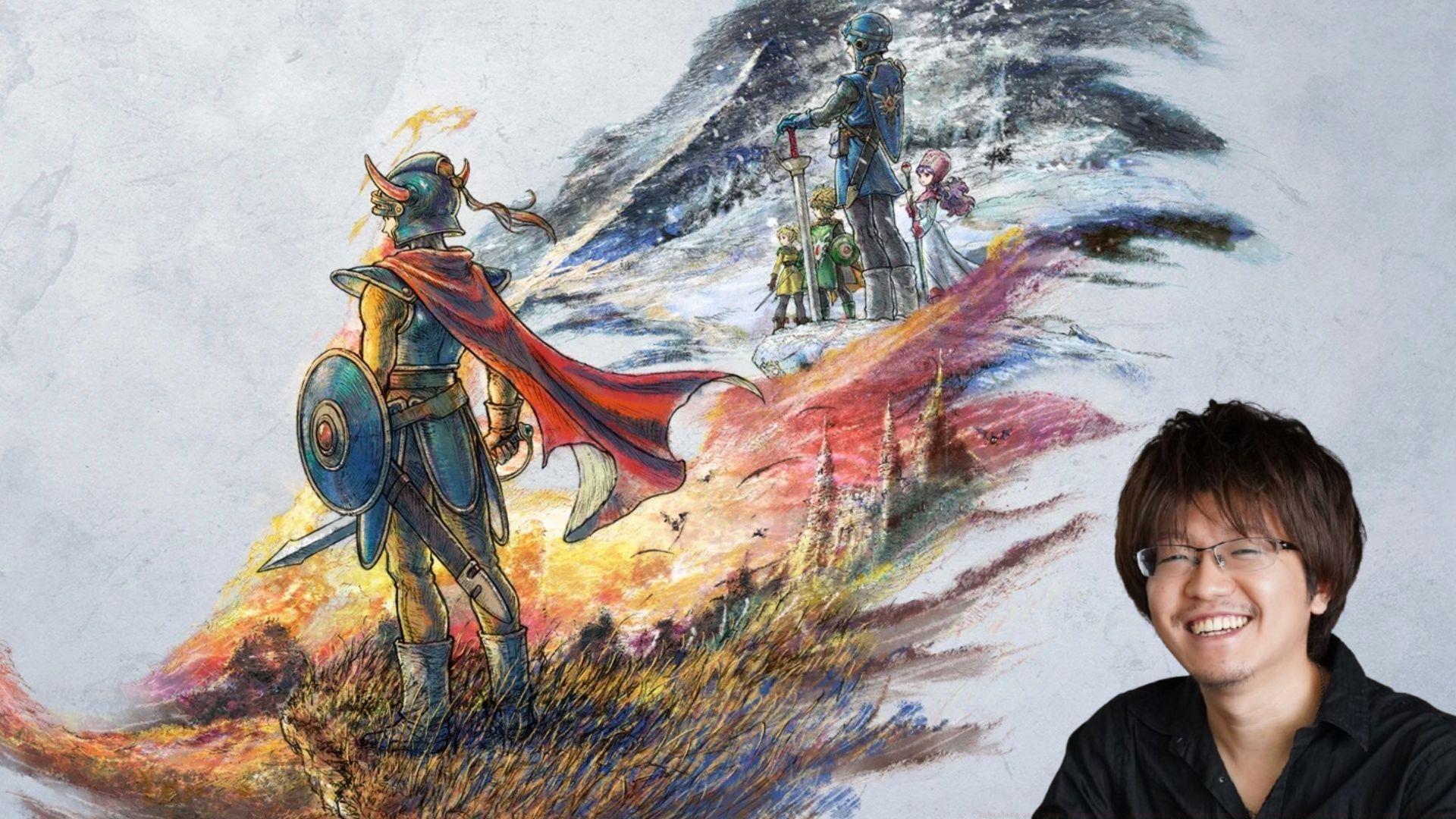
Following the successful launch of Dragon Quest I & II HD-2D Remake, I had the privilege of conducting an exclusive follow-up interview with Masaaki Hayasaka, building on our previous discussion about Dragon Quest III HD-2D Remake. As someone who considers these games among my personal favorites, I was thrilled to reconnect with the developer via email to explore the completed trilogy’s development journey and its reception among players worldwide.
Masaaki Hayasaka: It’s truly an honor to participate in another interview session! The overwhelming response to Dragon Quest III HD-2D Remake has been deeply moving. This experience has reinforced my appreciation for the original game’s legendary status and highlighted how eagerly fans were anticipating these modern reinterpretations.
Q. One of the most compelling aspects of this remake trilogy involves the substantial lore expansions, particularly providing Hargon with meaningful motivations rather than portraying him as simply evil. Given Yuji Horii’s role as the original DQII story writer, what level of involvement did he maintain in shaping these new narrative elements?
Masaaki Hayasaka: Mr. Horii maintained active involvement throughout the development process. Every newly introduced scenario underwent his careful review and approval before implementation. However, these narrative expansions weren’t necessarily concepts he had envisioned decades ago. Rather, our development team proposed creative suggestions, asking “What if we incorporated scenarios like these?” and sought his guidance on their integration.
Since we established the III→I→II release sequence early in development, we had already initiated discussions with Yuji Horii regarding Hargon-centered narrative expansions, ensuring cohesive storytelling across the trilogy.
Q. Dragon Quest I & II originated during RPG’s formative years when technical limitations dictated simpler designs. When expanding these foundational titles, what specific areas received priority during development discussions regarding necessary modernization?
Masaaki Hayasaka: Our primary focus centered on implementing “modern game adjustments.” Initial conversations revolved around aligning ability systems, spell mechanics, and other gameplay elements with contemporary Dragon Quest standards. From a level design perspective, we experimented with field dimensions and incorporated additional dungeons and towns to optimize progression flow.
Following these foundational decisions, we developed supplementary scenarios to ensure the content volume met modern gaming expectations. Consequently, level design and scenario development emerged as the two areas requiring the most significant adaptation work.
Game Design and Character Development
Q. The introduction of combat skills represents another significant enhancement, particularly valuable given these titles’ notorious difficulty. The Prince of Midenhall gained valuable battle capabilities while maintaining his non-magical identity, though he lacks powerful AOE attacks like Gigaslash. What design philosophy informed this specific limitation?
Masaaki Hayasaka: The Prince of Midenhall’s limited AOE capabilities were indeed an intentional design choice. As an exceptionally powerful physical attacker, providing him with extensive area-effect abilities would have created significant balance issues, potentially diminishing other characters’ contributions.
Our director specifically distributed AOE responsibilities among the remaining three party members, ensuring all four protagonists maintain distinct combat roles and opportunities to excel. However, players who progress through the entire game will discover that the Prince of Midenhall becomes sufficiently powerful that this limitation becomes less noticeable. We believe we achieved an effective balance between character specialization and overall party synergy.
Practical Tip: For optimal party performance, assign AOE responsibilities to your magic-users while leveraging the Prince’s single-target damage against priority enemies. This specialization strategy maximizes combat efficiency.
Q. The scroll system introduces fascinating customization options, allowing characters to learn skills outside their traditional repertoire. Access to Ripple of Disruption provides crucial boss-control capabilities, but the Prince learning Puff Puff seems particularly humorous. What inspired giving this traditionally comic ability to such a serious character?
Masaaki Hayasaka: With the scroll system, we prioritized player agency in character development decisions. Puff-Puff has historically been available regardless of character gender in previous titles, so we honored that tradition by offering both the Princess of Moonbrooke and Prince of Midenhall the opportunity to learn it. We anticipated the comedic value of witnessing this power-focused, stoic protagonist employing such a lighthearted ability!
Common Mistake: Many players overlook scrolls early game, but acquiring Ripple of Disruption before major boss fights can dramatically reduce difficulty by preventing enemy power-ups.
World Building and Narrative Expansion
Q. The expanded mermaid section in Dragon Quest II enhances world-building while potentially connecting the trilogy to Dragon Quest XI’s elaborate mermaid narrative. Was this connection intentional, or did it primarily address DQII’s underutilized mermaid elements?
Masaaki Hayasaka: The seabed environment’s creation originated from practical development considerations. Initially, we designed Dragon Quest II’s overworld with substantial scale to increase game content volume. However, Yuji Horii requested we reduce the overworld size, citing potential player overwhelm.
This constraint inspired the “create a seabed alternative” solution. Since the original game included ships and seabed-related dungeons, this concept integrated seamlessly. We incorporated mermaid lore and Lorelei’s Harp elements to establish meaningful connections with other series titles, providing narrative significance to the new environment. So yes, establishing these inter-title connections formed part of our intentional design approach.
Q. Mariella, introduced in the Super Famicom version and Builders 2, receives significantly expanded responsibilities as Hargon’s lieutenant in this remake. What development considerations influenced her elevated narrative role?
Masaaki Hayasaka: Despite our desire to emphasize Hargon’s presence, his Dragon Quest II role confines him to ritual performances until the game’s conclusion, limiting his narrative presence. This created the need for an alternative antagonist to drive the central conflict.
We identified Mariella as an ideal candidate since she already existed as a named character within Hargon’s Hall in the original game. While creating an entirely new character remained possible, leveraging an established figure provided greater narrative cohesion. This reasoning motivated her promotion to primary antagonist status in this remake.
Optimization Tip: Pay close attention to Mariella’s battle patterns—her enhanced role means she employs more sophisticated tactics than in original versions, requiring adapted combat strategies.
Difficulty and Game Balance
Q. Dragon Quest I & II HD-2D Remake maintains noticeable difficulty spikes, particularly in Dragon Quest I’s challenging boss encounters. Was this design intended to encourage strategic skill and debuff utilization rather than simply presenting arbitrary challenges?
Masaaki Hayasaka: Dragon Quest I presents a unique situation within the series—and indeed among command-based JRPGs—as it features a solo protagonist throughout the entire journey. This distinctive characteristic means players cannot rely on party-based tactics employed in other Dragon Quest titles, mirroring the original game’s design philosophy.
Essentially, while belonging to the same series, Dragon Quest I incorporates fundamentally different combat mechanics. Our remake includes adjustments to align difficulty with contemporary expectations while preserving Dragon Quest I’s essential character. We implemented balance modifications to ensure players fully experience this “quintessential Dragon Quest I challenge” from the midgame forward. Since Dragon Quest I & II are packaged together, we aimed to deliver two distinctly different gaming experiences.
Common Mistake: Many players attempt to power through Dragon Quest I without utilizing debuffs and defensive skills. The solo nature demands strategic ability use rather than brute force approaches.
Q. Without revealing spoilers, Dragon Quest II’s conclusion provides a memorable moment for series veterans. What emotional or thematic responses do you hope players experience during this culminating sequence?
Masaaki Hayasaka: I don’t prescribe specific reactions, as I believe this ending resonates differently with each individual. Some players may feel deeply moved, others might experience confusion, while many will engage in speculative interpretation—it’s designed to elicit diverse responses.
That said, I consider this “open-to-interpretation” conclusion perfectly aligned with Dragon Quest’s storytelling ethos. Knowing Yuji Horii personally crafted this narrative conclusion fills me with profound admiration for his creative vision.
Developer Reflections and Future
Q. Having immersed yourself in Dragon Quest I-III throughout this extensive development process, how has your relationship with these games evolved since project inception?
Masaaki Hayasaka: These games have become profoundly “special” to me. Growing up with Dragon Quest, then collaborating with creator Yuji Horii on remaking the series’ foundational trilogy represents an unparalleled honor for any game developer. The overwhelming positive reception has been incredibly gratifying.
While this project presented substantial challenges, it simultaneously provided invaluable professional growth opportunities. Learning directly from Yuji Horii and forming lasting partnerships with talented colleagues made this development journey feel like embarking on an epic Dragon Quest adventure myself.
Q. Looking beyond this trilogy, which classic Dragon Quest titles would interest you for potential future remake projects?
Masaaki Hayasaka: I belong to the Dragon Quest VII generation chronologically. My affection for this title runs so deep that I’ve completed it approximately four or five times throughout my life. Interestingly, a remake announcement for that very game recently surfaced!
Dragon Quest Monsters: Terry’s Wonderland (released as Dragon Warrior Monsters in North America) also holds special significance for my demographic. This would likely be my choice if selecting another remake candidate, though its 3DS remake places it in relatively recent territory.
Q. What final message would you share with dedicated fans embarking on their Dragon Quest I & II HD-2D Remake journey?
Masaaki Hayasaka: The Erdrick Trilogy remakes carried the important mission of expanding Dragon Quest’s audience, particularly internationally. Some potential players might hesitate due to the games’ nearly 40-year legacy, but we assure you of their contemporary relevance!
While the Dragon Quest series contains numerous masterpieces, we’re confident this new Erdrick Trilogy stands proudly among them. We hope established fans enjoy experiencing this refreshed Erdrick legend, while newcomers discover why Dragon Quest remains one of Japan’s most beloved RPG franchises. Our greatest satisfaction would come from this remake introducing more people to Dragon Quest’s magical world. We sincerely hope you enjoy the experience!
Dragon Quest I & II HD-2D Remake and Dragon Quest III HD-2D Remake are currently available across multiple platforms. This iconic trilogy comes highly recommended, especially when experienced in chronological order: DQIII, DQI, and DQII.
Advanced Strategy: For optimal narrative flow, play the trilogy in release order (III→I→II) to experience the story as developers intended, with revelations building appropriately across games.
No reproduction without permission:GameCDjnh » “Embarking on a grand Dragon Quest adventure”: Masaaki Hayasaka discusses Dragon Quest I & II Remake [Exclusive] Exclusive insights from Dragon Quest HD-2D Remake developer on trilogy completion, design choices, and future possibilities