
TL;DR
- Chapter Two and Lost Harvest DLC launch September 2025 with free story content and premium vehicle/quest additions
- Major QoL updates include vehicle storage overhauls, resource streamlining, and offline base management
- 2026 expansions introduce faction warfare evolution, water conflicts, and sandbox redesign
- Economic preparation requires Solari liquidity and market-sensitive item tracking
- Strategic resource acquisition through platforms like MmoGah enables immediate new content access
Funcom has officially revealed a comprehensive development timeline for Dune: Awakening, extending from September 2025 through late 2026. This ambitious schedule encompasses fresh narrative installments, significant downloadable content packages, core system refinements, and persistent sandbox environment enhancements. For dedicated players seeking competitive advantage, comprehending these forthcoming changes – and utilizing services such as MmoGah – becomes essential for maintaining leadership positions.
This analytical breakdown originates from Renfail’s initial YouTube presentation.
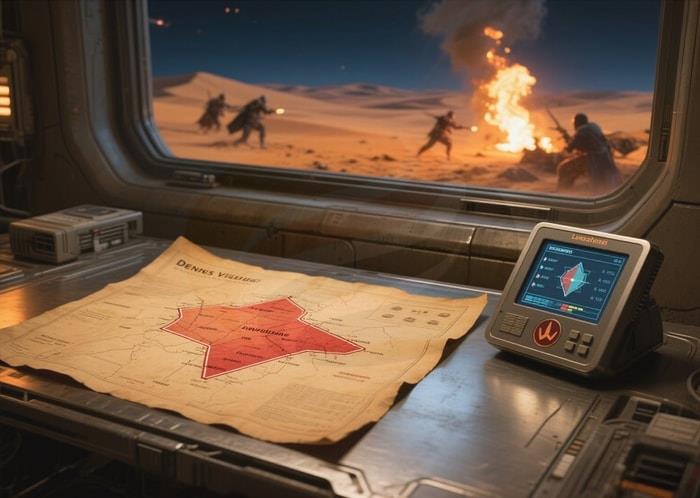
The complimentary Chapter Two narrative enhancement and the premium “Lost Harvest” expansion will synergistically operate, collectively broadening the Dune gaming universe this coming September.
🗺️ Campaign Progression: The ongoing primary storyline guarantees more profound exploration of Arrakis, showcasing legendary figures including Stilgar and Chani, plus concealed revelations buried within the barren landscape.
🗺️ Complimentary enhancements feature:
• Personal avatar visual customization mechanism
• Dynamic environmental incidents (sandworm attacks/faction skirmishes)
• Community-oriented missions that energize outpost centers
🗺️ Premium Components: “Lost Harvest” presents a speculated armored combat vehicle, additional mission chains, distinctive areas, ornamental construction packages, and broadened aesthetic selections for armaments and protective gear. These implementations won’t merely alter gameplay mechanics – they’ll substantially influence the virtual marketplace as novel vehicle components and scarce construction resources transform into intensely demanded commodities.
Expert Insight: The character redesign system represents a crucial quality-of-life improvement, allowing players to refresh their appearance without restarting progression. Random encounters inject much-needed unpredictability into exploration, while social quests foster player interaction in settlement zones. The tank vehicle introduction will likely shift PvP meta strategies, creating new combat dynamics across the desert landscape.
The development timeline additionally confronts persistent player grievances through focused improvements:
🚗 Inventory & Transport Revolution: Ground vehicles and storage units can presently receive custom labels, whereas the Attack Ornithopter acquires supplementary cargo compartments. Transform your foundation relocations! The Transport Ornithopter’s freight capability permits complete base transfers within a single journey.
🚗 Material Streamlining: Cobalt adhesive, infamous for excessive inventory consumption, undergoes optimization to alleviate carrying capacity stress.
🚗 Accessibility Enhancements: Rapid-seat exchange mechanisms, more dependable propulsion systems, and instanced remote-desert treasure prevent hostile area monopolization.
🚗 Remote Administration: Settlement levies and energy conditions will be notified through messaging systems, enabling you to monitor your base operations without active connection. Utilizing MmoGah’s Dune Awakening Solari acquisition service, participants can protect their installations from distance, guaranteeing operational continuity and preventing expensive disruptions.
Advanced Strategy: The Carrier Ornithopter’s expanded capacity fundamentally changes base relocation tactics – plan to consolidate resources before major moves. Cobalt paste optimization represents a critical inventory management victory, but experienced players should still prioritize storage efficiency through strategic container placement and resource cycling.
Projecting further forward, the development schedule pledges Chapter Three: Marauders of the Fractured Territories (DLC) and Chapter Four: The Conflict for Hydration (DLC).
Chapter Three will intensify the Landsraad framework, connecting faction advancement to varied undertakings including eliminations, competitive events, and faction combat, superseding the existing material-transportation cycle. This methodology minimizes hoarding complications while providing independent participants fresh advancement routes.
Chapter Four will focus on aqueous disputes, possibly revealing fresh ecosystems such as polar ice fields where renewed faction combat emerges.
• Foundational Sandbox Modifications: Remote desert areas are reverting to a “Spice Conflict sandbox” configuration, establishing restricted flight areas to promote terrestrial warfare and diverse landscape designs.
• Technical Infrastructure Development: Server reliability upgrades and console platform adaptation are simultaneously underway, expanding the prospective participant community.
Mechanics Deep Dive: The shift from resource delivery to activity-based progression in Chapter Three addresses a core community concern about repetitive gameplay loops. No-fly zones in deep desert regions will force tactical diversification, making ground vehicles and infantry strategies more relevant in endgame content.
Given such a substantial update cadence, strategic readiness becomes paramount:
⚔️ Preserve Solari fluidity during early phases – uncommon DLC exchanges require substantial reserves.
⚔️ Monitor market-volatile Dune Awakening Commodities such as vehicle components and rare building supplies – these assets are anticipated to experience value inflation following updates.
⚔️ Employ MmoGah to obtain limited resources or Solari, permitting you to bypass extended farming and commence immediately with fresh experiences.
⚔️ Adjust foundation design and spice-collection methodologies to correspond with impending modifications in the remote desert and Landsraad frameworks.
Common Pitfalls to Avoid: Many players underestimate the economic impact of major DLC releases. Avoid liquidating rare materials too early – their value typically peaks during the first two weeks post-launch as players scramble to acquire new content requirements. Base planning should incorporate flexibility for new building sets and potential terrain changes.
The forthcoming evolution of Dune: Awakening guarantees a fusion of storytelling richness, participant autonomy, and systematic polish. From encountering Fremen commanders in Chapter Two to operating novel transports across developing desert combat zones, each revision reshapes survival mechanics on Arrakis. By forecasting these transformations – and employing resource services like MmoGah – participants can convert unpredictability into advantage and establish their position in the sands of Arrakis.
Action Checklist
- Accumulate Solari reserves for DLC market fluctuations
- Identify and track vehicle modules, rare construction materials pre-DLC
- Restructure base layout for new building sets and potential terrain changes
- Test Carrier Ornithopter relocation strategies with current resources
- Plan faction activity diversification for Chapter Three progression system
No reproduction without permission:GameCDjnh » Dune: Awakening Future Roadmap – From Story Expansions to Gameplay Overhauls Master Dune: Awakening's 2025-2026 roadmap with expert strategies for content preparation and economy mastery