
Dragon Quest VII Reimagined brings revolutionary dual-class system and stunning visuals to the classic RPG experience
Introduction: Why This Remake Matters
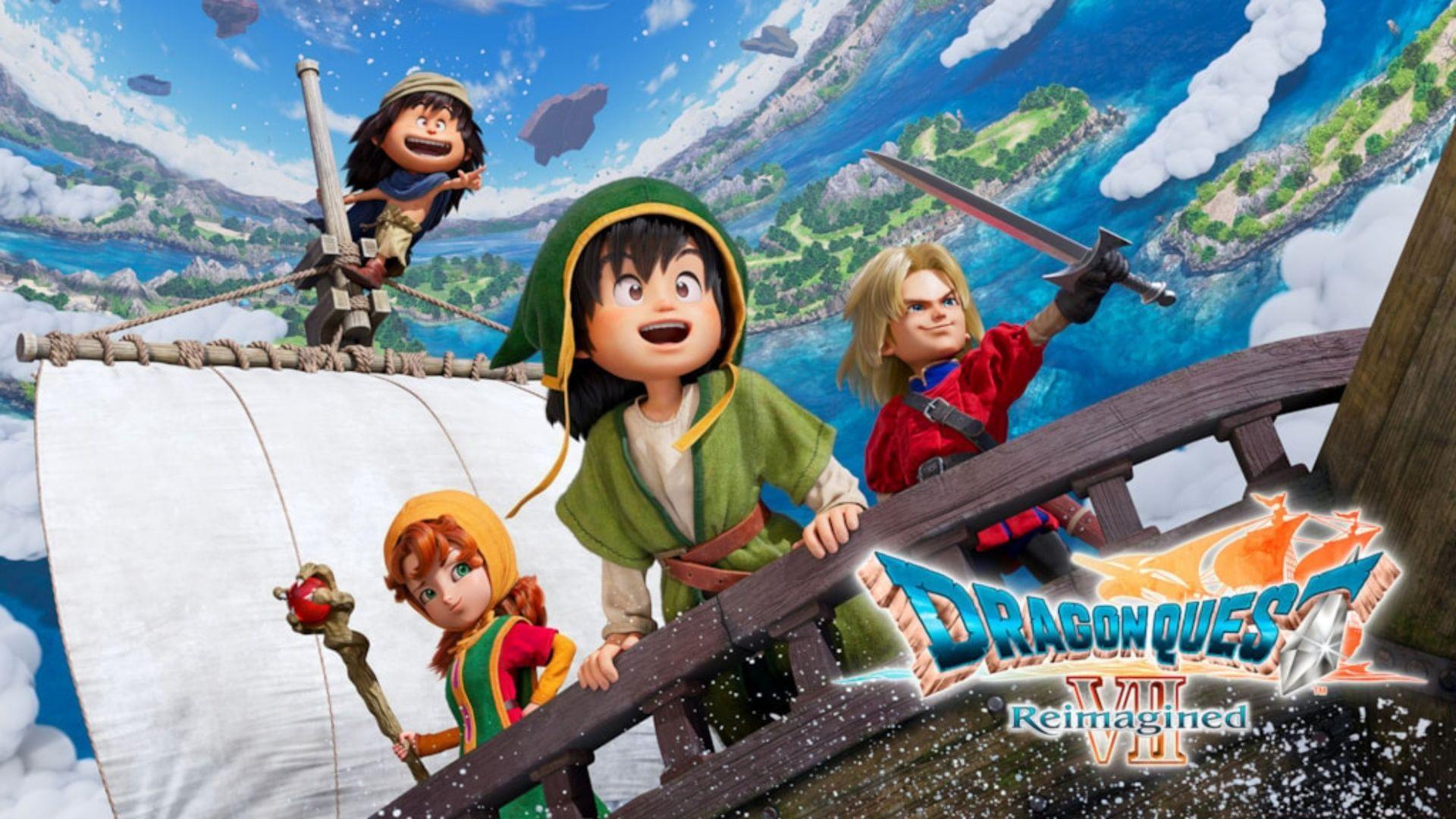
Dragon Quest VII Reimagined arrives in 2026, marking a pivotal moment for both series veterans and newcomers. My personal journey with DQVII has been complex – while recognizing its dedicated fanbase, I struggled to connect with the original’s pacing and mechanics. This sentiment is shared by producer Takeshi Ichikawa, who openly acknowledges the title’s historical shortcomings. His transparent approach to addressing these issues creates genuine excitement for the remake’s potential.
The development team’s commitment to improvement stems from firsthand understanding of what didn’t work previously. Rather than simply updating graphics, they’re rebuilding the experience from the ground up with player enjoyment as the primary focus. This philosophical shift promises to deliver the definitive version of a game that deserved better execution originally.
Gameplay Experience: Hands-On Impressions
During my preview session, the game demonstrated its emotional depth through the Wetlock narrative arc while showcasing refined dungeon design in Burnmont. Burnmont serves as an early Chapter 1 scenario, presenting a straightforward objective: prevent catastrophic events by navigating treacherous underground passages. The dungeon design balances accessibility with meaningful challenges, perfect for introducing mechanics.
Wetlock’s second chapter experience revealed the game’s narrative strengths with a complete party and multiple Job/Vocation options. The enhanced storytelling, amplified by professional voice acting and visual upgrades, intensifies the emotional impact of tragic story moments. Modern graphical capabilities allow facial expressions and environmental details to convey mood in ways the original couldn’t achieve.
Pro Tip: When exploring early dungeons like Burnmont, pay attention to environmental storytelling – subtle visual cues often hint at upcoming challenges or hidden treasures. The visible enemy system allows strategic engagement planning, but don’t underestimate enemy patterns that may have been redesigned for the remake.
Combat initially seemed challenging based on developer descriptions, but series veterans may find early bosses manageable. This accessibility stems partially from the revolutionary Moonlighting system, which provides significant tactical advantages from the game’s opening hours. The balance appears designed to welcome new players while offering depth for experienced RPG enthusiasts.
Moonlighting System: Dual-Class Revolution
The Moonlighting feature represents Dragon Quest VII Reimagined’s most significant gameplay innovation, enabling characters to simultaneously utilize two different Vocations. This dual-class system fundamentally changes character development strategy, allowing hybrid combinations previously impossible in the series. During discussions with Takeshi-san, I confirmed each party member receives a Unique Vocation reflecting their personality, complementing standard class options.
Strategic Advantage: Equipping multiple Vocations accelerates job level progression while unlocking synergistic ability combinations. The system encourages experimentation with complementary skill sets – pairing physical combat classes with magical support Vocations creates versatile characters capable of handling diverse combat situations. This flexibility addresses one of the original’s limitations by providing nearly endless party configuration possibilities.
Common Mistake to Avoid: Don’t spread your Vocation investments too thinly early on. Focus on mastering 2-3 core combinations that cover essential roles (damage, healing, support) before experimenting with niche specializations. The token system replacing Monster Vocations requires careful resource management – save monster tokens for characters who benefit most from specific stat bonuses or abilities.
The removal of traditional Monster Vocations represents a calculated design choice, replaced by an equipable token system that preserves monster-themed abilities in a more balanced format. While purists may initially mourn this change, the replacement system appears to offer more strategic depth while maintaining the original’s monster collection spirit through collectible tokens.
Visual Presentation & Audio Design
Dragon Quest VII Reimagined’s hand-crafted character and monster models represent a stunning visual achievement, blending traditional Akira Toriyama designs with modern rendering techniques. The animation quality brings battles and story moments to life with fluid movements and expressive character performances. While vocational costume changes have been sacrificed, the consistent visual quality across all character models maintains immersion.
The environmental design draws clear inspiration from Dragon Quest XI’s vibrant color palette and detailed world-building. Locations feel alive with careful attention to lighting, texture work, and atmospheric effects. The musical score, a series hallmark, receives new arrangements that honor Koichi Sugiyama’s original compositions while incorporating modern orchestral richness.
Optimization Tip: Take time to explore environments thoroughly – the visual upgrade includes subtle details and hidden visual storytelling elements that reward careful observation. The game’s artistic direction uses color coding to signify environmental hazards, safe zones, and interactive elements, providing visual guidance without intrusive UI elements.
The overall aesthetic successfully bridges nostalgia with contemporary expectations, creating a world that feels both familiar and freshly exciting. This careful balance demonstrates Square Enix’s understanding of what makes Dragon Quest visually distinctive while embracing modern technical capabilities.
Development Insights & Producer Perspective
Takeshi Ichikawa’s leadership inspires confidence given his extensive Dragon Quest pedigree, including work on the acclaimed Dragon Quest XII and his beginnings with the brilliant Dragon Quest Builders 2. His personal connection to DQVII’s original shortcomings translates to purposeful revisions rather than arbitrary changes. The development philosophy focuses on enhancing what worked while reimagining elements that hindered player engagement.
The team’s approach involves adding new narrative content alongside quality-of-life improvements, creating a more cohesive experience. Some original content has been trimmed to improve pacing, but these removals are compensated by new storylines and mechanics that deepen the overall adventure. This curatorial approach demonstrates respect for the source material while acknowledging where modern sensibilities differ.
Following my extensive preview session, I’m genuinely excited to revisit DQVII through this reimagined lens. The combination of Ichikawa’s visionary leadership and Square Enix’s recent success with Dragon Quest I & II HD-2D suggests this February 5, 2026 release could become the definitive way to experience this classic adventure. The remake appears positioned to correct historical missteps while introducing innovations that could influence future series entries.
No reproduction without permission:GameCDjnh » Dragon Quest VII Reimagined preview: The best DQVII has ever been Dragon Quest VII Reimagined brings revolutionary dual-class system and stunning visuals to the classic RPG experience