
Master RoadCraft’s differential lock system with expert terrain strategies and common mistake avoidance
Understanding Differential Lock Fundamentals
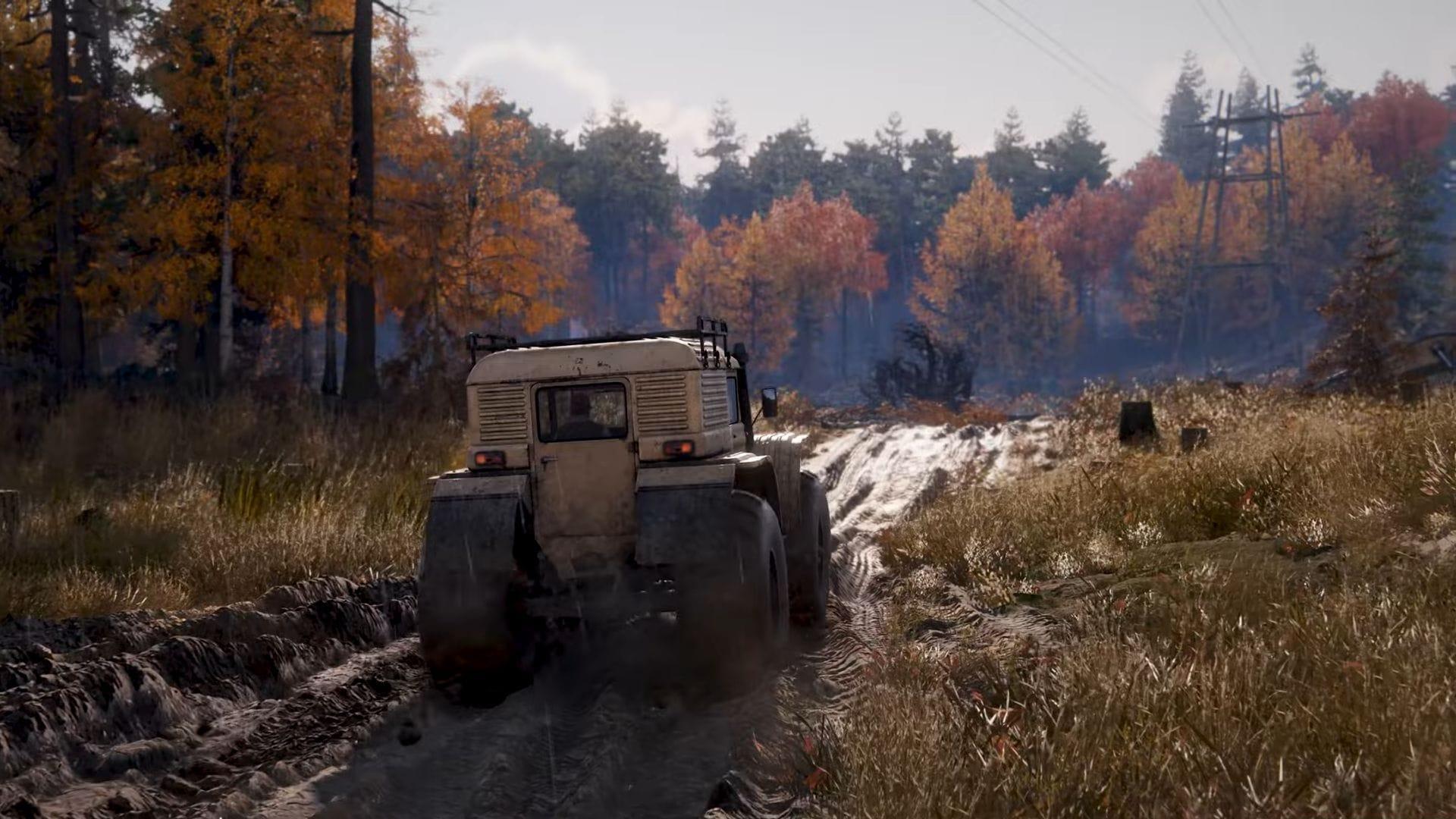
RoadCraft introduces three critical vehicle systems early in gameplay that form the foundation of advanced driving mechanics. The differential locking mechanism represents one of the most technically sophisticated systems that new players often struggle to master effectively.
At its core, the differential lock functions by mechanically coupling the independent axles on each vehicle side, eliminating the natural speed variation between wheels. This forced synchronization ensures both wheels rotate identically regardless of individual traction conditions, providing immediate power transfer to the wheel with better ground contact.
This mechanical advantage comes with significant handling consequences. The locked differential prevents wheels from rotating at different speeds during turns, creating steering resistance and potential tire scrubbing. Understanding this traction-control tradeoff separates novice drivers from terrain masters in RoadCraft’s challenging environments.
Strategic Application Scenarios
The most effective use case for differential lock occurs when one wheel encounters complete traction loss while its counterpart maintains solid ground contact. This frequently happens when navigating rocky outcrops, deep ruts, or uneven terrain where wheels experience dramatically different surface conditions.
Imagine your vehicle’s left front wheel spinning uselessly against a slick rock surface while the right wheel maintains grip on stable ground. Engaging differential lock at this critical moment transfers rotational force to the gripping wheel, providing the burst of forward momentum needed to overcome the obstacle.
Professional drivers recommend brief, targeted activation rather than continuous use. Engage the system the moment you detect wheel spin, maintain through the obstacle clearance, then immediately disengage to restore normal steering functionality. Extended use on hard surfaces can cause unnecessary drivetrain stress and significantly compromises vehicle maneuverability.
For maximum effectiveness, combine differential lock with All Wheel Drive when tackling combined challenges like rocky inclines. The synchronized systems provide both traction distribution and wheel synchronization for the most demanding ascents.
Advanced Driving System Synergy
RoadCraft’s All Wheel Drive system complements differential lock by addressing power distribution rather than wheel synchronization. While differential lock ensures wheels rotate together, AWD guarantees torque allocation to all four wheels, preventing power loss to spinning wheels without traction.
This becomes particularly valuable during steep inclines where weight transfer reduces traction on lighter axles. AWD automatically redirects power to wheels maintaining ground contact, while differential lock ensures those wheels work in perfect synchronization for maximum climbing efficiency.
Low Gear introduces a completely different approach to traction management by reducing wheel rotation speed rather than altering power distribution. In muddy conditions where rapid wheel spin digs vehicles deeper into soft terrain, Low Gear’s controlled rotation prevents the digging cycle that traps unprepared drivers.
The true mastery comes from understanding which system (or combination) matches specific terrain challenges. Use differential lock for individual wheel obstacles, AWD for traction distribution issues, and Low Gear for surface preservation in soft terrain.
Also check out — RoadCraft: How to make routes
Professional Optimization Techniques
Many RoadCraft players undermine their progress through common differential lock mistakes. The most frequent error involves leaving the system engaged on hard surfaces, which creates excessive steering effort and accelerates tire wear without providing traction benefits.
Advanced terrain reading allows anticipation of differential lock requirements before wheels lose traction. Watch for visual cues like loose rocks, mud patches, or elevation changes that typically cause single-wheel spin. Preemptive activation often prevents complete stops that require recovery momentum.
Performance monitoring provides critical feedback for system optimization. If you notice steering becoming excessively difficult during differential lock operation, you’ve likely maintained activation beyond its useful duration. Similarly, if wheels continue spinning with the system engaged, you may need AWD supplementation for proper power distribution.
Master drivers develop instinctive switching between systems based on terrain feedback. The differential lock becomes a temporary solution for specific obstacles rather than a continuous driving aid. This disciplined approach preserves vehicle systems while maximizing traversal efficiency across RoadCraft’s diverse landscapes.
Check out our other articles on the game:
- RoadCraft: Rebuild Edition content, pricing, and is it worth getting?
- RoadCraft: How to join a co-op session with friends
- Is RoadCraft cross-platform?
- RoadCraft stuttering and crashing on PC: Possible fixes and reasons
No reproduction without permission:GameCDjnh » Diff Lock function in RoadCraft, explained Master RoadCraft's differential lock system with expert terrain strategies and common mistake avoidance