
Master Clutchtime’s basketball deckbuilder mechanics with strategic tips and optimization techniques
Game Overview and Core Mechanics
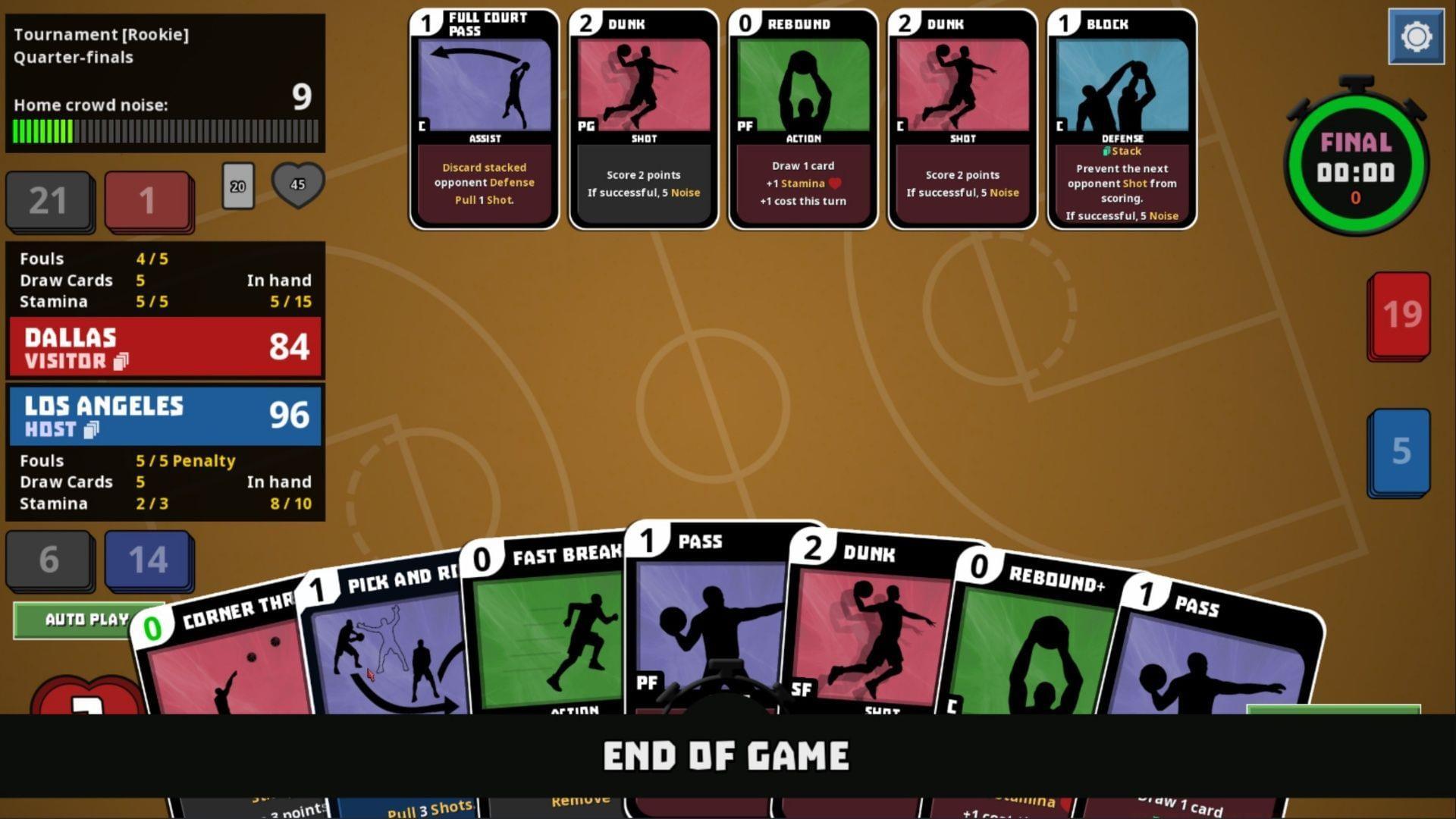
For enthusiasts of deckbuilding games and roguelikes, Clutchtime provides a refreshing departure from narrative-heavy gaming experiences. While I typically immerse myself in story-driven titles, this basketball-themed card battler from developer Bigosaur delivers precisely the mechanical depth and quick session-based gameplay I craved. Surprisingly, extensive basketball knowledge proves unnecessary—the game’s intuitive design makes its strategic complexities accessible to sports novices and veterans alike.
Starting each run involves selecting your competitive region, customizing participating teams, and choosing from various tournament formats. Difficulty settings significantly impact your strategic options by modifying card draw rates and stamina limitations. Matches authentically replicate basketball structure with four distinct quarters, creating natural breakpoints for strategic adjustments.
Before each contest begins, a Pre-Game Event opportunity emerges, permanently enhancing your deck with an additional card. While optional, skipping this advantage rarely makes strategic sense. The quarter clock displays “12 minutes,” but each card play advances time by 15 seconds, creating a 48-card limit per quarter that demands careful resource allocation.
The turn-based nature allows deliberate card selection, a welcome contrast to real-time decision pressure. Scoring cards automatically succeed unless countered by opponent Defensive Cards. Unlike traditional deckbuilders where aggressive play often dominates, Clutchtime requires balanced offensive and defensive strategies since opponents score using identical mechanics.
Advanced Card Strategy and Combos
Maintaining game control requires strategic deployment of defensive options like Deflect and Foul to disrupt opponent scoring attempts. However, defensive plays carry risks—Foul cards grant opponents Free Throws, mirroring real basketball penalties. This risk-reward dynamic demonstrates Bigosaur’s authentic understanding of basketball translated into compelling card game mechanics.
Stamina functions similarly to mana in trading card games, governing card play capacity alongside the quarter clock. Cards generating additional stamina, such as Rebound, provide crucial resource extension. Similarly, card draw effects maintain hand options, enabling sustained offensive pressure or defensive readiness.
Sticky cards represent Clutchtime’s most powerful combo enablers, persisting between turns when normal cards would discard. Corner Three exemplifies this category, reducing its stamina cost each turn it remains in hand. Strategic Sticky card accumulation enables devastating 12-15 point scoring bursts when opponents lack defensive preparations.
Common Mistake: New players often overinvest in immediate scoring cards, neglecting stamina generation and card draw. This creates mid-game resource starvation where valuable cards become unplayable. Always maintain a balanced deck with approximately 30% resource generation cards.
Advanced Technique: Chain Sticky card draw effects to assemble multiple cost-reduced cards simultaneously. A well-timed combo turn can overcome significant point deficits, but requires careful setup across multiple quarters while maintaining defensive coverage.
Progression System Analysis
Between quarters, deck enhancement opportunities arise through new card acquisitions and occasional upgrade events that reduce card costs. This progression system ensures varied gameplay across matches, though the mode unlock structure presents significant progression barriers.
Clutchtime features four distinct game modes: Tournament, Playoffs, Season, and Full Season. Tournament victories unlock Season mode, while Playoffs require Tournament completion on Starter difficulty. This necessitates consecutive victories across Rookie, Bench Player, and Starter difficulty tiers.
The most contentious progression element involves Full Season mode, locked behind Season victory on Coach difficulty—the game’s highest challenge tier. Reaching this requires grinding through Rookie, Bench Player, Starter, Star, and Superstar difficulties first. Each season demands victories against nine teams plus semi-final and final matches, creating an extensive commitment requirement.
Progression Optimization: Focus on mastering one difficulty level completely before advancing. The skill jump between tiers is significant, and attempting to rush progression often results in frustration. On higher difficulties, defensive card ratios should increase to 40% of your deck to counter improved AI offense.
This difficulty-gated progression represents the game’s primary flaw, potentially limiting player access to full content without alternative unlock methods. The gameplay experience would benefit from optional progression paths accommodating different player skill levels and time commitments.
Presentation and Player Experience
The decision to avoid licensed NBA imagery results in generic but functional visual design that doesn’t detract from gameplay quality. Customization options include country flag modifications and random name generation for most teams, providing adequate personalization despite the unlicensed approach.
While the soundtrack lacks memorability, this proves advantageous for players preferring external music during extended sessions. The interface maintains clarity with intuitive information placement, eliminating confusion about game state and available actions.
Initial matches may produce frustration as players grasp mechanics, but the learning curve quickly flattens into satisfying strategic depth. The core gameplay delivers exceptional engagement, though the Full Season accessibility issue remains a significant drawback.
Player Tip: During early learning phases, prioritize understanding card interactions over winning. Losing matches provide crucial information about AI behavior patterns and card synergy opportunities that inform future successful strategies.
Clutchtime successfully translates basketball’s tension into turn-based format, creating moments where comebacks feel impossible yet occasionally achievable through clever play. The essence of skilled deckbuilding—transforming unfavorable situations into victories—shines through consistently, delivering a tactically rich experience with extensive combo potential and satisfying mechanical depth.
No reproduction without permission:GameCDjnh » Clutchtime review: A real slam dunk in the world of deckbuilding roguelikes Master Clutchtime's basketball deckbuilder mechanics with strategic tips and optimization techniques