
Master The Last of Us Part 2 Remastered’s Chronological Mode with expert tips, optimal play strategies, and reward unlocks
Chronological Mode Explained: What It Is and How to Access It
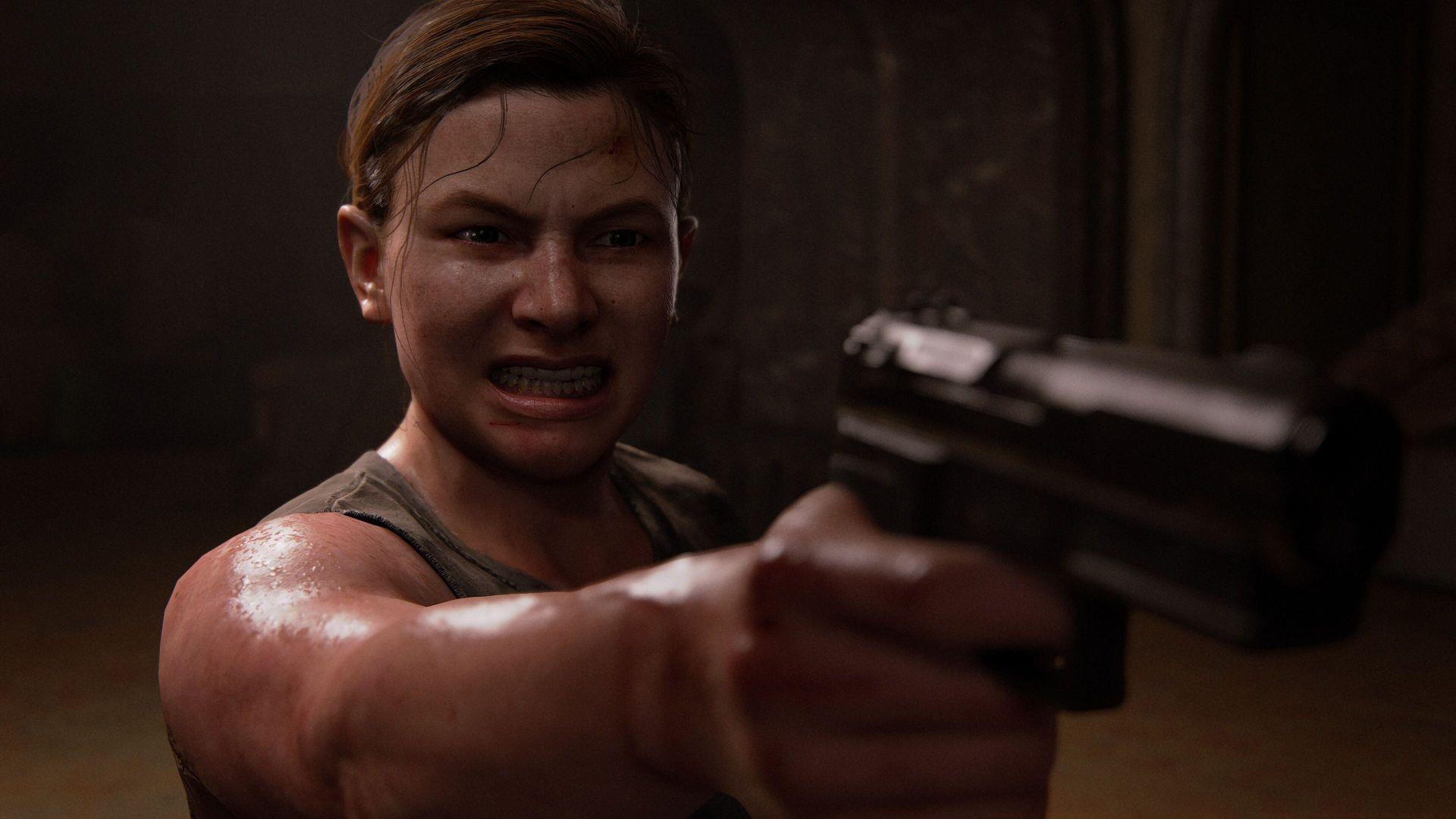
Naughty Dog continues to enhance The Last of Us Part 2 Remastered with significant post-launch support. The latest addition, Chronological Mode, arrives through a complimentary update—Patch 2.1.0 for PlayStation 5 and Patch 1.5 for PC. This feature provides a fundamentally altered narrative experience for the acclaimed survival-horror title, allowing veterans to revisit its complex world from a straightened chronological perspective.
The original campaign masterfully wove its tale through a series of deliberate flashbacks, following protagonist Ellie’s quest for vengeance against deuteragonist Abby. This non-linear structure was a conscious creative choice, juxtaposing past and present to deepen thematic resonance around grief, violence, and perspective. Chronological Mode dismantles this framework, reordering every story beat into a strict timeline that begins with earlier events and progresses forward without temporal jumps.
A clear example of this restructuring is the opening sequence. The standard game starts with a pivotal moment between Joel and Ellie, immediately establishing their strained relationship before flashing back. Chronological Mode, however, initiates the player’s journey by controlling Abby during a critical early flashback where she searches for her father in the wilderness. This places the foundational motivations of both main characters in immediate, linear context, fundamentally changing the narrative’s pacing and reveal structure.
This mode directly addresses one of the few criticisms levied at the original release: pacing disruption caused by its flashback-heavy narrative. For players who found the constant time-hopping jarring or detrimental to immersion, Chronological Mode provides a seamless, end-to-end story flow. It transforms the experience from a psychologically fragmented narrative into a more traditional, novelistic progression of events.
Accessibility is a key feature. Since Chronological Mode is delivered via a free title update, it is immediately available upon installing the latest patch. Players can select it from the outset when starting a new game—no completion prerequisites, hidden unlocks, or additional purchases are required. It’s crucial to understand that this mode alters only the sequence of story scenes; all gameplay mechanics, dialogue, encounters, and level design remain identical to the original experience.
Also Read: The Last of Us Part 2 Remastered review: More than meets the eye
Optimal Playthrough Strategy: Original vs. Chronological
Determining the optimal path through The Last of Us Part 2 Remastered depends entirely on your experience level and what you seek from the narrative. Naughty Dog’s official guidance is unambiguous: first-time players should always experience the original, non-linear story first. This preserves the carefully crafted emotional reveals, dramatic tension, and perspectival shifts that are central to the game’s artistic impact. Playing Chronological Mode first can dilute major plot twists and undermine the profound character development that relies on the original’s sequencing.
For newcomers, the recommended strategy is a two-phase approach:
- Phase 1 – Original Narrative: Complete the full campaign as intended by the developers. Soak in the complex character arcs of Ellie and Abby, and engage with the themes in the order they were designed to unfold.
- Phase 2 – Chronological New Game Plus: Upon completion, activate New Game Plus and select Chronological Mode. This leverages your retained weapons, upgrades, and skills to smooth the replay, while the linear narrative offers fresh insights and connective tissue you may have missed initially.
Common Strategic Mistakes to Avoid:
- Starting with Chronological Mode: This is the biggest error. You sacrifice the intended narrative punch and may find character motivations confusing without the original’s contextual framing.
- Ignoring New Game Plus: Attempting Chronological Mode on a fresh save, without upgrades, can make combat more challenging than necessary and slow the experience.
- Rushing the First Playthrough: Speed-running to “unlock” Chronological Mode negates its value. The mode’s benefit is in comparative analysis, which requires a solid grasp of the standard story.
For veteran players returning to the Remastered edition, diving directly into Chronological Mode via New Game Plus is an excellent choice. It offers a novel way to re-experience a familiar story, highlighting cause-and-effect relationships and character progression with new clarity. This approach can feel like a director’s cut, providing a cohesive, film-like flow that emphasizes the overarching plot over moment-to-moment suspense.
Advanced Tips, Rewards, and Platform Considerations
Beyond the narrative shift, Chronological Mode offers tangible gameplay rewards. Successfully completing the main story in this mode unlocks exclusive cosmetic items within the standalone No Return roguelite mode. Players earn unique skins that pay homage to Naughty Dog’s Uncharted series: Joel can be outfitted as Nathan Drake, and Tommy receives the likeness of Sam Drake. These provide fun, visual fan service for completing the linear narrative challenge.
Optimization Tips for Advanced Players:
- Combine with Accessibility Features: Use your New Game Plus advantage to experiment with higher difficulty settings in Chronological Mode, or utilize extensive accessibility options to tailor the combat flow to the new story pace.
- Focus on Environmental Storytelling: The linear timeline makes environmental details and optional documents easier to place contextually. Take time to explore and piece together the world’s history in its correct order.
- Leverage Chapter Select: After completing Chronological Mode, use Chapter Select to directly compare specific moments between the original and chronological sequences for deeper analysis.
Critical Platform Limitation: It is essential to note that the Chronological Mode update, and indeed the entire Remastered package, is exclusively available for PlayStation 5 and PC. Owners of the original PS4 version of The Last of Us Part 2 cannot access this new mode, the No Return mode, or any other Remastered enhancements. This update is a defining feature of the Remastered edition, which serves as a next-gen and PC upgrade.
For PC players, ensure your game is updated to version 1.5 to see the Chronological Mode option in the main menu. PS5 players require version 2.1.0. The mode represents a significant value-add for the Remastered version, offering substantial replay incentive and a novel perspective on one of gaming’s most discussed narratives.
No reproduction without permission:GameCDjnh » Chronological Mode: Should you play The Last of Us Part 2 in Chronological Mode instead of the original way? Master The Last of Us Part 2 Remastered's Chronological Mode with expert tips, optimal play strategies, and reward unlocks